Poland Unveils Pork Sector Strategy to Rebuild Piglet Production and Strengthen Farmers
Representatives of Poland's pork industry presented a strategy on Thursday that aims to restore domestic piglet production, fight African swine fever and strengthen farmers' role in the supply chain. The sector now expects concrete action from the government.
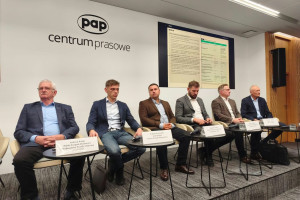
A strategy for Poland's pork sector was presented on Thursday. Its main directions are rebuilding domestic piglet production, a more effective fight against African swine fever (ASF), integration of producers and a stronger position for pig farmers in the supply chain. Industry representatives stressed that preparing the document is only the beginning and that they expect the government administration to implement the proposed solutions.
Exports and the fight against ASF
The author of the strategy is Jakub Olipra, an economist at the bank Credit Agricole. He said ASF remains the key barrier to Polish pork exports. The document therefore provides for regionalisation, recognition of zones and stepped-up economic diplomacy. He named the United Kingdom, Central and Eastern European countries, and Vietnam and the Philippines as potential priority markets. To respond quickly to crises in foreign markets, a team is to be set up that could intervene at a high political level.
Witold Choiński, president of the Polish Meat Association, noted that opening third-country markets not only gives Poland access to them but also relieves surpluses on the European market. He also said that using Polish pork more widely in public procurement is limited by the rules of the open European market.
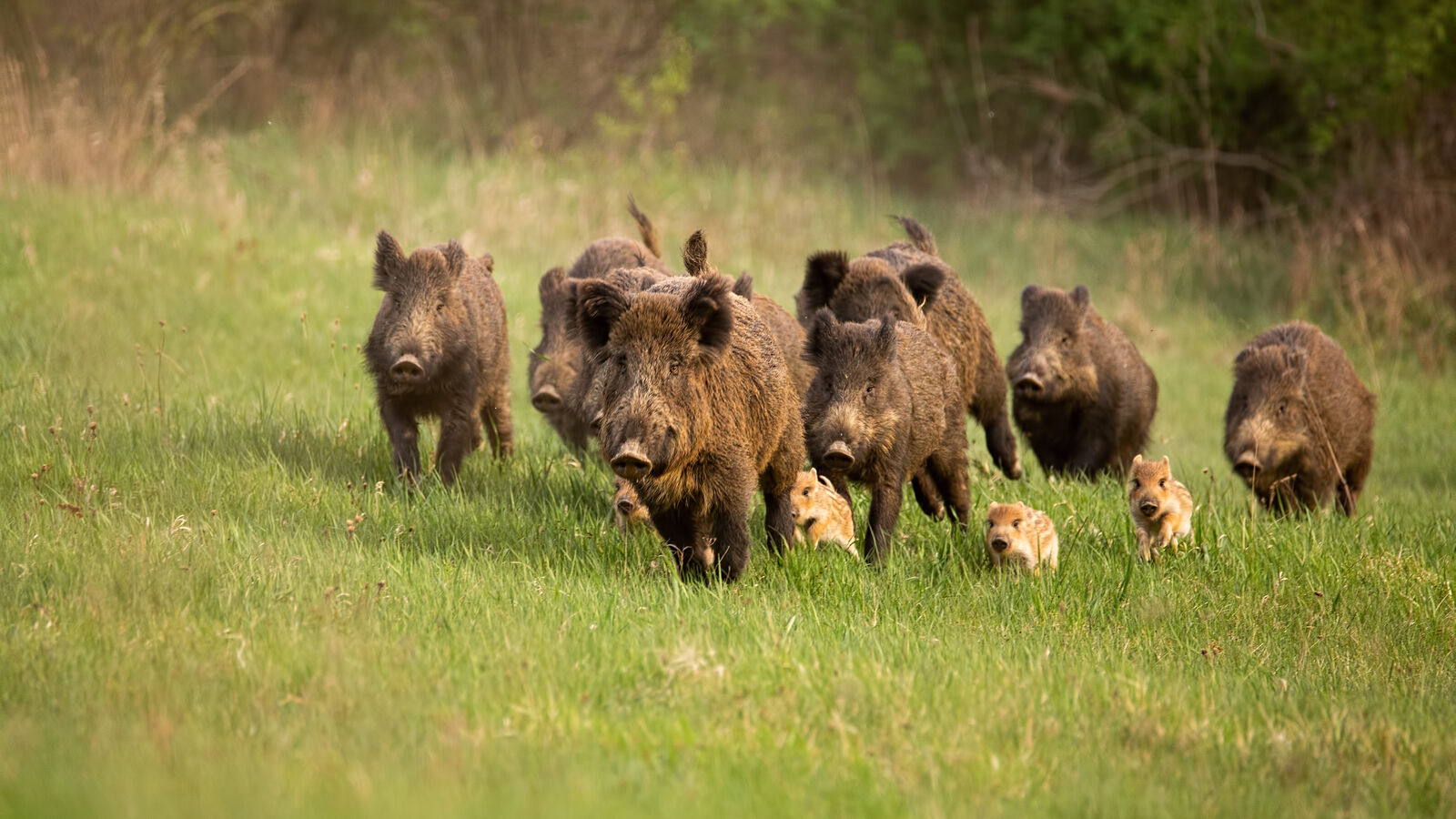
Aleksander Dargiewicz, head of the Polpig organisation, said farms are coping better with biosecurity, while limiting the spread of the disease among wild boar is much harder. He suggested specialised teams, tracking dogs and drones to find dead animals. In his view, systematic long-term action could make Poland ASF-free within ten years. The strategy also includes sanitary groups, production compartmentalisation, wild boar population control and compensation for farmers whose holdings are restricted because of ASF. Compensation would depend on meeting biosecurity requirements and participating in a sanitary group.
Piglet production and integration
Pig farmer Damian Kacprzak stressed that heavy dependence on imported piglets threatens the continuity of domestic production. He named low-interest loans as an important instrument and pointed to sharply rising construction costs for livestock buildings.
The strategy envisages developing producer organisations so they can invest jointly and close the production cycle. It also proposes creating a pig exchange as an alternative to the German reference market. The industry says the pace and scope of implementation will decide whether the strategy brings real change.