Polish 14-Hectare Farm Lives Off Vegetable Subscription Sales
Filip and Magda Partyka run the 14-hectare regenerative Green Leaf farm in Kąkolewice, Poland, selling vegetable boxes directly to consumers by subscription. They stress that before starting a new crop, a farmer should find buyers and calculate costs.
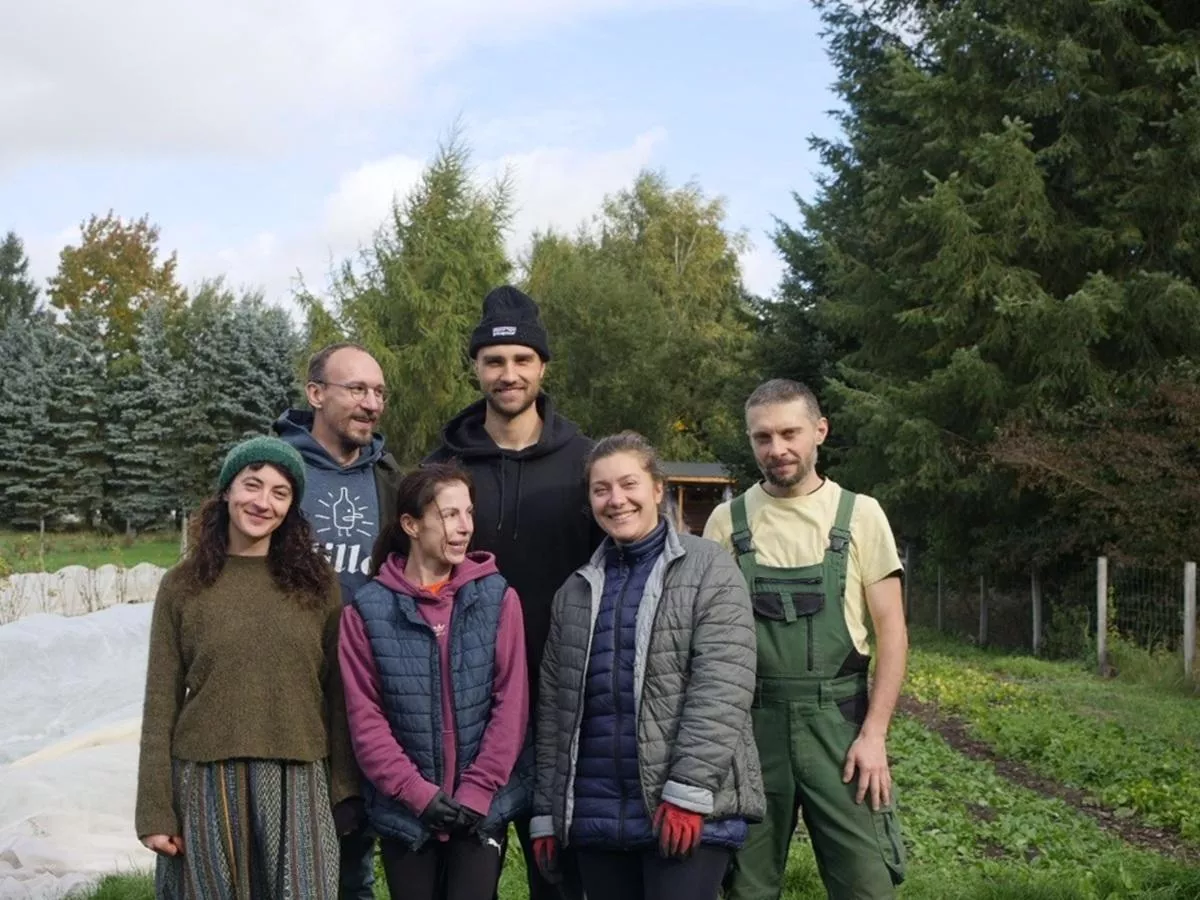
Filip Partyka and his wife Magda run the regenerative Green Leaf farm in Kąkolewice, in Poland's Greater Poland (Wielkopolska) region. The farm covers about 14 hectares, mostly weaker soils. According to the Polish agricultural portal topagrar.pl, the couple now live solely from the farm and argue that a smaller holding can be profitable without expanding its acreage or selling to large buyers.
A difficult start
Without capital for major technology investments, the couple had to find a production model suited to their means. One of their first ideas was growing herbs, including hand-picked calendula. On too large an area it proved inefficient, and after the second season the farm needed restructuring. For the next four years the Partykas combined the farm with full-time jobs.
Filip stresses that farmers are entrepreneurs: if something does not add up on paper, you do not start it. So they first work out what, how much, to whom and at what price they will sell, and only then plan the cultivation.
Subscription without middlemen
The farm sells not wholesale but directly to consumers. Customers order vegetable boxes, which in season usually contain 10 to 13 items. About 80 families receive a box every week, with others getting deliveries every two weeks, bringing the customer base to roughly 130–140 families. The farm grows around 32 vegetable species per season, and its 96 permanent beds are used up to three times a year. About 70% of customers return the following year.
Prices based on costs
The Partykas set prices by starting from working time, the income they need per year and their costs, and only then compare them with the market. Extra income comes from laying hens, broilers, workshops and services offered through the company AgroPartyka. The source notes that the model will not suit every farm: it requires customers, good work organisation and willingness to keep in regular contact with buyers.