Polish Farmer Grows Rare Medicinal Herbs, Including Arnica, on Just 7 Hectares
Konrad Ranecki in Poland farms about 7 hectares and specialises in medicinal herbs, including the hard-to-grow arnica. He says arnica flowers can fetch around 250 zloty per kilogram, but production demands heavy manual work and strict quality standards.
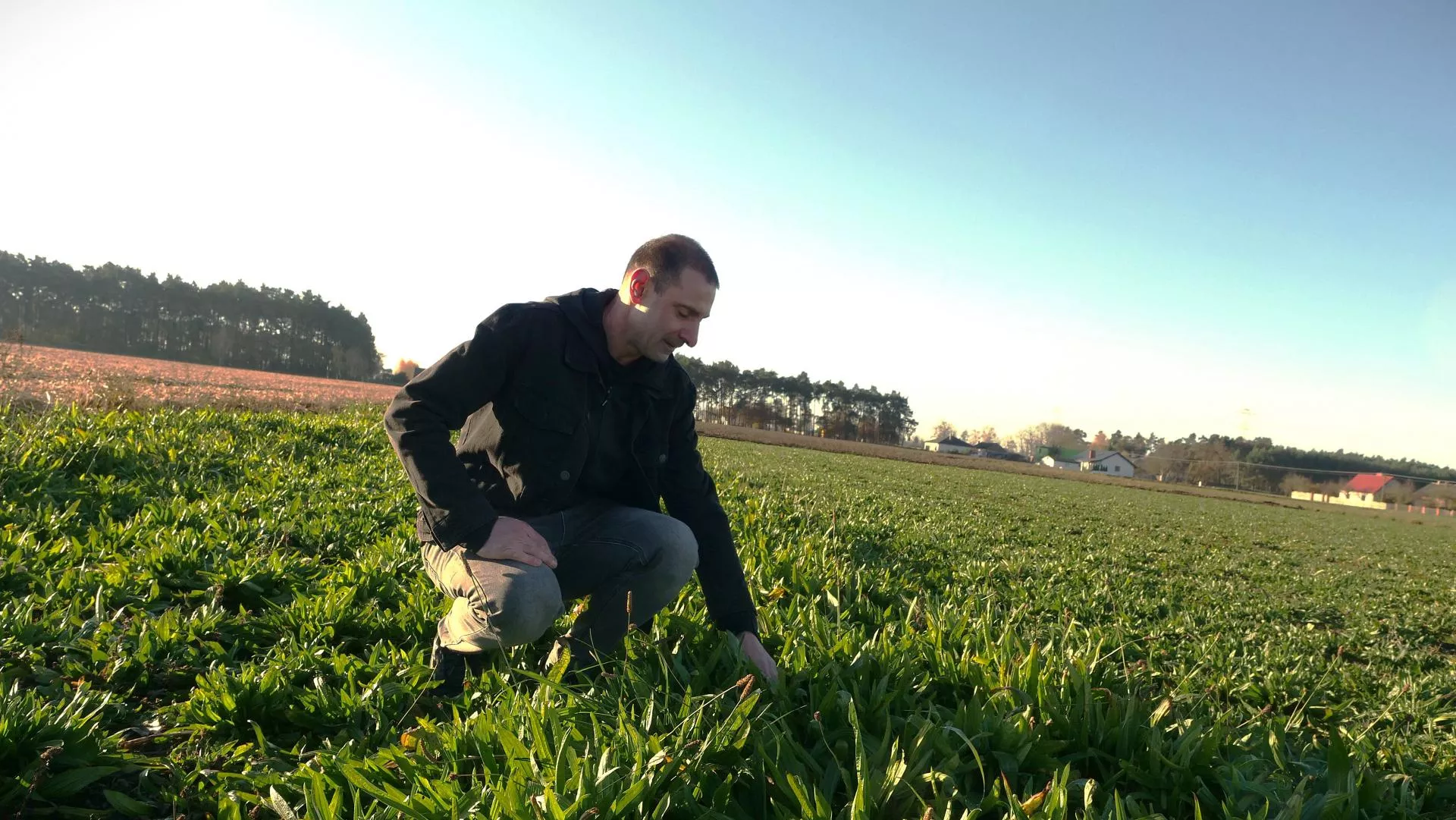
Konrad Ranecki, a Polish farmer working roughly 7 hectares, has chosen medicinal herb cultivation as an alternative to conventional field crops. Speaking to the Polish agricultural outlet topagrar.pl, he said a small farm can still find a market niche by growing what most holdings avoid. In his view, producing cereals and maize requires ever larger areas, and even a big acreage no longer guarantees a profit.
Arnica as the main challenge
The farm also grows mugwort, stinging nettle, St John's wort and dandelion, but arnica holds a special place. It occupies about half a hectare. Its flowers are a valued raw material for the pharmaceutical and cosmetics industries. By the farmer's estimate, Poland has only two or three arnica producers. Developing the plantation took several years: the first seeds he bought failed, and he later had to look for knowledge and help. Establishing one hectare of arnica costs, by his estimate, 80,000–100,000 zloty. The flowers are picked by hand in two periods: May and June, and late summer.
Quality demands and drying
The main buyers are companies making medicines, dietary supplements and teas. Raw material for pharmaceuticals is tested for residues of up to 180 active substances, as well as pyrrolizidine alkaloids that can come from weeds. According to the farmer, just six common groundsel plants per hectare can be enough to get a whole batch rejected. Flowers must be dried within 48 hours, so Ranecki built his own drying installation.
Obstacles for the sector
The farmer points to a labour shortage, the lack of cultivation guidelines, a small seed market and difficulty insuring plantations. He gave up on organic production because organic herb prices, in his view, are too low relative to costs. The busiest work period runs from May to November. Ranecki is considering growing marjoram and has for two years offered other growers services for mowing, shredding and packing St John's wort.