PM Sanae Takaichi visits quake-hit southern Japan as cleanup begins in intense heat
Japan's Prime Minister Sanae Takaichi has made her first visit to Kumamoto Prefecture after a magnitude 7.1 earthquake killed 38 people. The area is now facing heat, water shortages, and the challenging task of clearing debris.
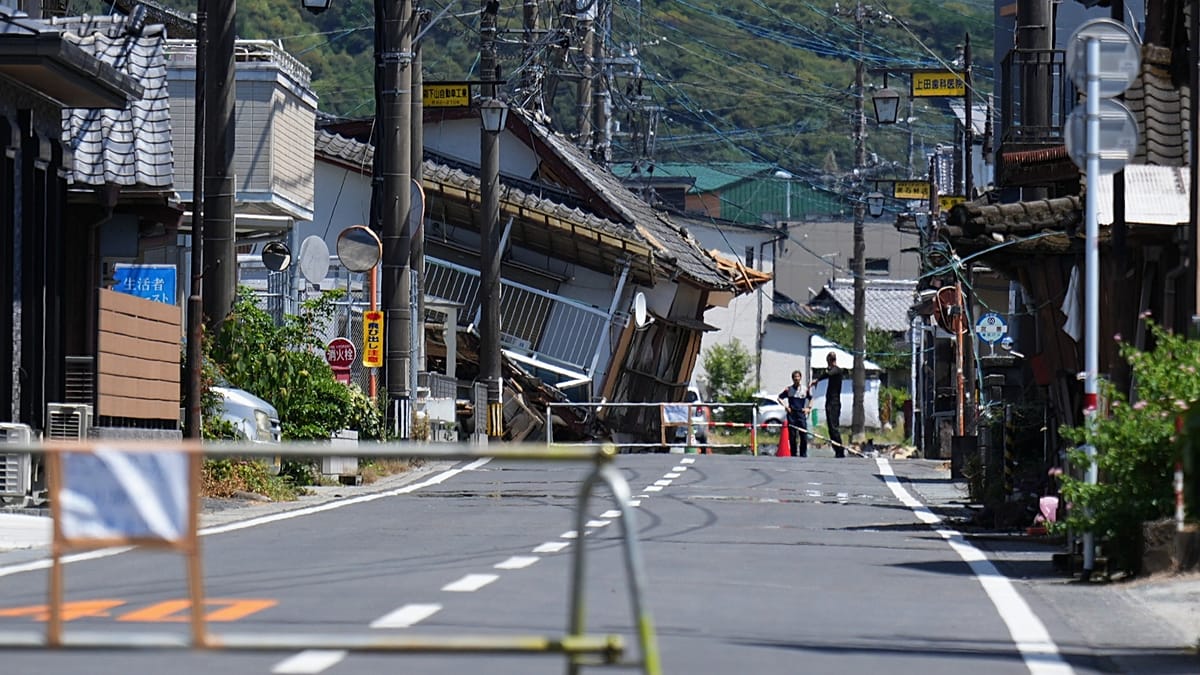
Residents of Japan's quake-hit Kumamoto Prefecture have begun clearing debris as the region endures extreme heat, while Prime Minister Sanae Takaichi made her first visit to the disaster zone following Tuesday's magnitude 7.1 earthquake.
The earthquake killed 38 people, including one who died of suspected heat stroke while sheltering in a car, and another whose cause of death remains under investigation. Authorities reported 114 injuries. Almost 700 homes were destroyed and more than 11,300 buildings suffered damage, according to the prefecture.
Cleanup efforts are underway, with residents piling up broken furniture and appliances for collection. In the towns of Uki and Hikawa, construction of temporary housing has started. Some hotels and inns have offered rooms for evacuees.
More than 46,000 households still lack running water, and fuel shortages are adding to the difficulties. With temperatures forecast to approach 40°C on Monday, concerns about heat-related illnesses are growing. Over 8,500 people remain in crowded shelters, many without air conditioning, while others sleep in cars or outside their homes. Experts have long warned that inadequate shelter provision can lead to overcrowding and poor sanitation.
Takaichi, who toured the area by army helicopter, visited one of the best-equipped shelters featuring cardboard beds, partitions and air conditioning. The visit drew criticism on social media, with users saying it presented a misleading picture of actual conditions.
Kumamoto Governor Takashi Kimura told Takaichi that "abnormal heat" was compounding the hardship for residents. He called for more government support to improve shelter conditions, noting that many facilities lack clean water and medical care. Takaichi responded that the government would quickly consider measures to assist the affected region.
Separately, a company operating a store in the collapsed Aeon Mall in Kashima admitted that it had instructed two employees to return to the building to deposit sales proceeds after the earthquake. Both employees later died in an explosion believed to be caused by a gas leak. The company's executives apologized to the family of one victim, 22-year-old Kurumi Otake, at her wake. Sales manager Goji Yuse acknowledged the instruction. The explosion occurred after around 3,000 shoppers had been evacuated, but some staff remained inside. Rescuers recovered five people and seven bodies from the mall.