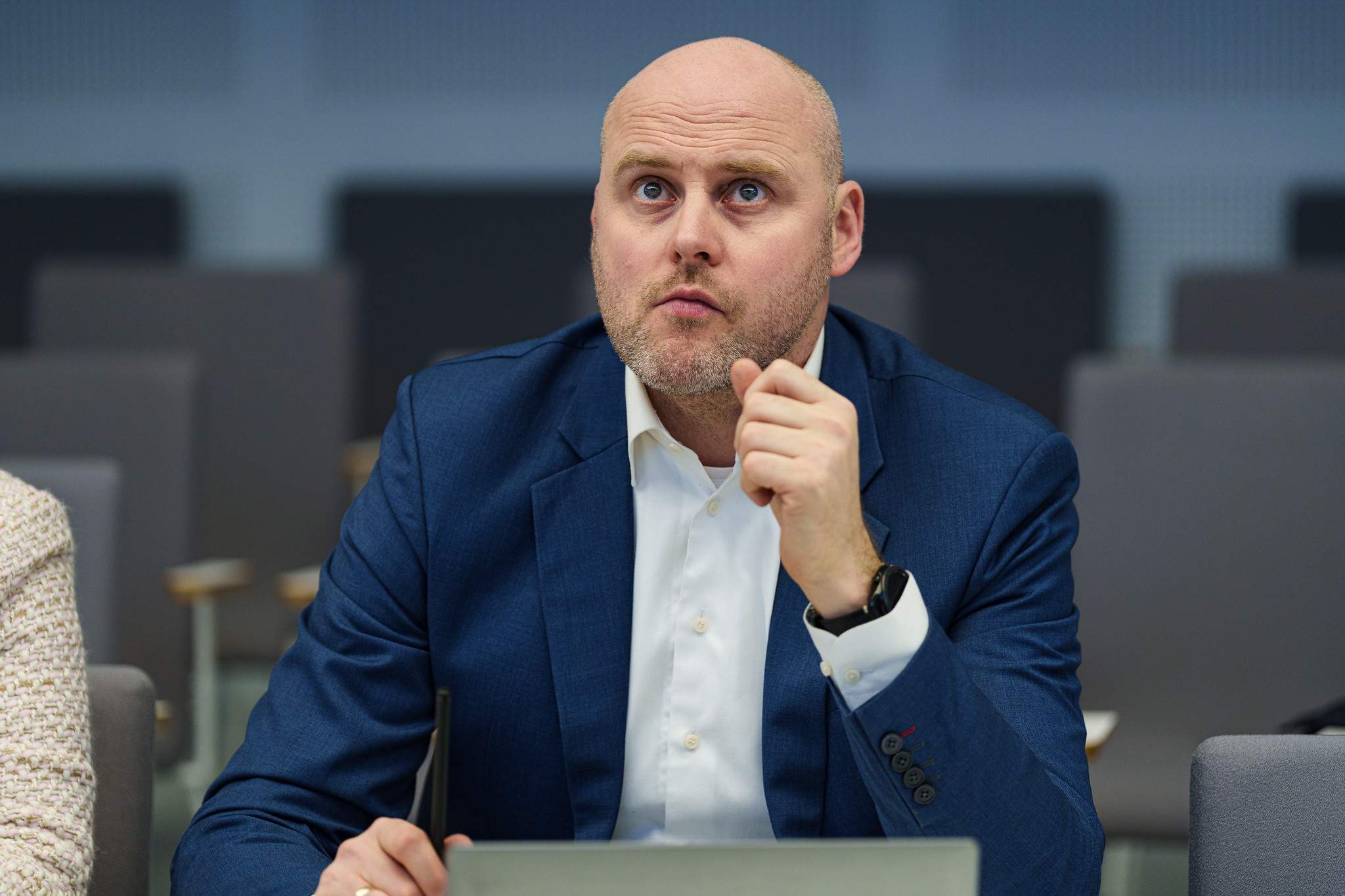
Prime Minister and his chief of staff deny political pressure on media
Latvian Prime Minister Andris Kulbergs and his office head Marek Gruškevičs reject claims that they are discrediting the media. TVNET Group editor-in-chief Toms Ostrovskis calls the office head's social media posts deliberate political pressure.

Latvian Prime Minister Andris Kulbergs and the head of his office, Mareks Gruškevičs, reject accusations that their statements and social media posts discredit the media. Toms Ostrovskis, editor-in-chief of TVNET Group, which runs the news portal TVNET, sees the conduct as political pressure. The issue is topical because the government declaration promises support for national, regional and diaspora media producing content in Latvian, yet the rhetoric of the prime minister and his office head has raised concerns about that support.
What triggered the dispute
In a fact-check article, TVNET examined Kulbergs' austerity plan and tried to establish where the necessary money could come from. On the platform X, Gruškevičs responded by publishing publicly available information on funding granted to TVNET by the Society Integration Foundation and the Media Support Fund, adding that he knew where money could be found.
Ostrovskis called the post clear, targeted and deliberate political pressure. He said it would not halt TVNET's work, since the portal's existence does not depend on funding won in open competitions. In his view, however, such rhetoric may foster self-censorship at smaller and regional media outlets, for which this kind of funding matters more.
International reaction and the officials' replies
The international media protection organisation Reporters Without Borders called for an end to attempts to discredit the media. Pavol Salai, head of the organisation's Prague office, said such remarks are inappropriate in a country ranked among the top 20 in the World Press Freedom Index, and stressed that linking funding to content calls media independence into question.
Kulbergs replied that nobody has discredited anyone and that such conclusions amount to "overshooting the line". Gruškevičs described his post as an example of what a commercial outlet has received from that funding source, and stressed that a discussion on how public money is spent is necessary. Asked about the risk of self-censorship, he said he was being put in the position of voicing words he does not mean.
Earlier developments
In early November, after the prime minister described news headlines as false, distorted and untrue, the Latvian Journalists' Association urged him to refrain from sweeping accusations against the media. The association also objected to a plan to hand administration of the Media Support Fund to the National Electronic Mass Media Council, arguing that it would create risks of political influence, conflict of interest and self-censorship.