Polish president's adviser accuses Tusk government of exploiting Russia threat narrative
An adviser to Polish President Karol Nawrocki has accused Prime Minister Donald Tusk's government of using warnings about Russian hybrid threats for political gain. He acknowledged, however, that reports of intensifying Russian activity are regularly received.
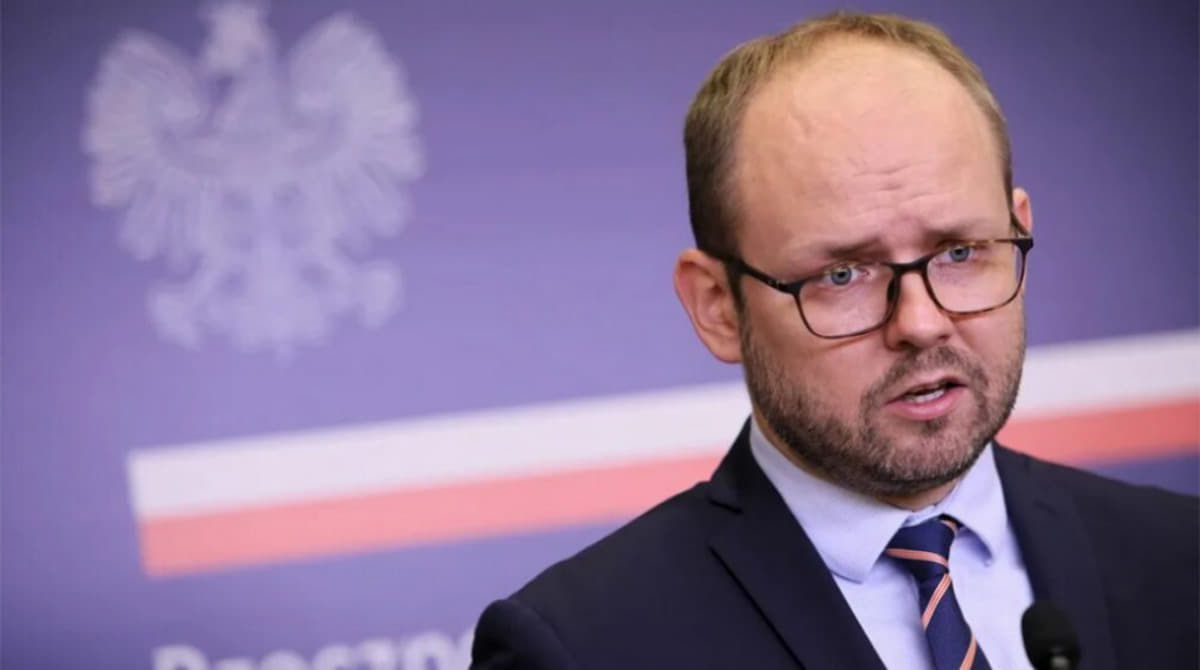
Marcin Przydacz, head of the Polish president's International Policy Bureau, said in an interview with Polish media that Donald Tusk's government is using statements about the Russian threat to score political points. The interview was cited by Polsat News and reported by "European Pravda."
According to Przydacz, the head of the Polish government uses claims about the Russian threat to divert attention from his own domestic problems. He stressed, though, that he does not dispute the genuine risk of possible hybrid attacks from Russia.
The presidential adviser confirmed that Karol Nawrocki's office regularly receives information about a possible intensification of Russian hybrid activities. He noted that if the government holds more detailed information, it should be passed on to the president as well. In his view, the president must be kept informed of any potential threats, and the public should also be prepared for them.
Criticism of Tusk and Sikorski
Przydacz accused both Prime Minister Tusk and Foreign Minister Radosław Sikorski of using security issues in domestic political disputes to draw attention to themselves rather than to actual problems. He warned the prime minister against exploiting the situation for his own purposes, cautioning that if he overdoes it, the public could grow indifferent and fail to react — or ignore warnings altogether — when a real threat emerges.
Tusk recently stated that intelligence data points to Russian plans for hybrid strikes against countries supporting Ukraine, adding that he believes Poland will face provocations "far more dangerous" than those it has encountered so far. Poland has already launched an investigation into a fire at Starlink facilities in the village of Wola Krobowska, treating it as a possible act of sabotage and terrorism carried out on behalf of a foreign intelligence service, with prosecutors examining a potential Russian trail.