Kalshi issues its first-ever lifetime ban, targeting former congressman George Santos
Prediction market platform Kalshi has permanently banned former congressman George Santos and fined him over $71,000 following an insider trading investigation, marking the company's first lifetime ban.
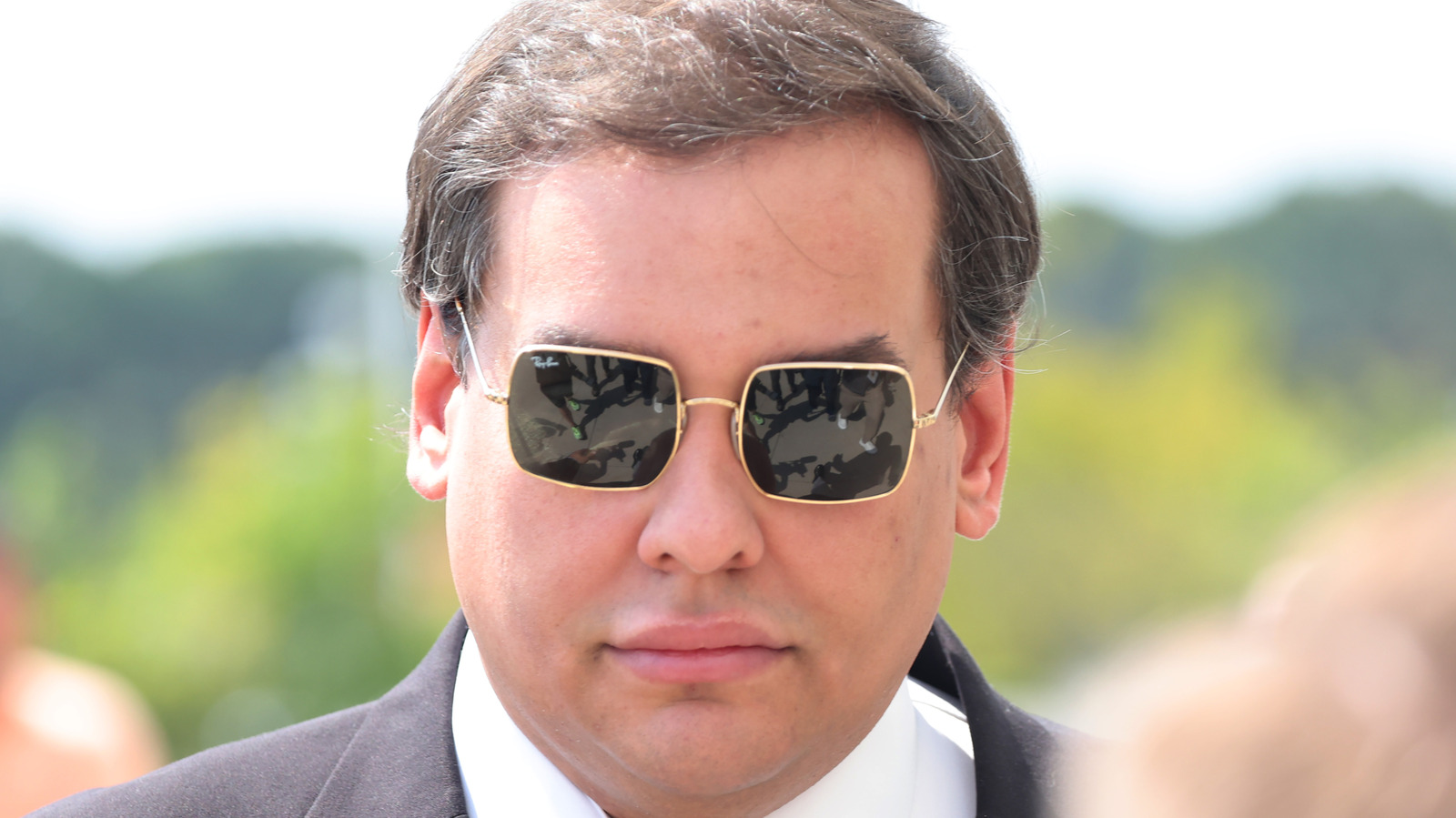
Kalshi, a platform where users trade contracts tied to the outcomes of real-world events, has announced its first-ever lifetime ban — imposed on former U.S. congressman George Santos. According to a filing published by the company, Santos was also fined $71,356.
It emerged in June that Santos was being investigated by both the Department of Justice and the Commodity Futures Trading Commission (CFTC) over alleged insider trading. He reportedly purchased contracts on Kalshi betting that he would miss this year's State of the Union address after weather disrupted his travel plans. After publicly stating on social media that he would attend after all, he sold those contracts for a profit, reportedly earning more than $17,500 through the scheme. Kalshi says it detected the suspicious activity itself and reported it to authorities.
In July, Santos agreed to pay more than $35,000 to settle the CFTC's claims and received a three-year trading ban from the agency. Kalshi, however, said it will not allow him back on its platform even after that ban expires. The company confirmed to The Wall Street Journal this was the first lifetime ban it has ever issued, explaining that Santos failed to fully cooperate with its internal investigation. He retains the right to appeal the decision to the CFTC.
Santos, who now describes himself as a TV personality and entertainer, responded on X with a sarcastic remark questioning how much longer Kalshi itself would remain in business.
This isn't the first legal trouble for Santos. In 2024, he pleaded guilty to federal wire fraud and identity theft charges and was sentenced to more than 87 months in prison, though President Donald Trump later commuted the sentence. Last week, the CFTC settled a similar case involving Gabriel Perez, a former White House teleprompter operator, who agreed to pay over $172,000 after allegedly making more than $100,000 trading contracts tied to words used in Trump's speeches, also receiving a three-year trading ban.


