Protein Bars: Experts Urge Caution About the Label on the Pack
Experts warn that protein cookies and bars are not always healthy, even though they are marketed as a better alternative to ordinary snacks. A "high protein" claim can distract from a product's poor nutritional value.
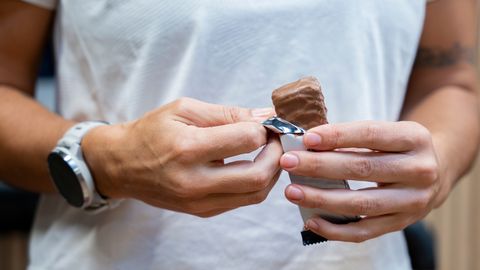
Experts are warning consumers that protein cookies, bars and similar products are not always as healthy as their marketing suggests. TVNET, a Latvian news site, reported on this on 21 November 2026. The topic matters to anyone who picks snacks in a shop and trusts a "high protein content" label.
What the marketing promises
Such products are often presented as a healthier alternative to traditional snacks. They are said to deliver a longer feeling of fullness, more energy and less guilt after snacking.
Why they are popular
Their popularity can be explained by the constant message that protein is one of the key foundations of a healthy diet. As a result, many people believe that the more protein they consume, the better, regardless of where it comes from.
Where the problem lies
Experts say the reality is more complicated. The "high protein content" label stuck on the packaging often distracts from the product's poor nutritional value. In other words, this claim does not always mean the product is truly healthy, so the amount of protein alone is not enough to base a choice on.