Cockroaches carry thousands of bacterial DNA fragments in their genomes
A new study reveals that cockroach genomes contain thousands of bacterial DNA segments acquired through horizontal gene transfer, suggesting that such exchanges are more common in multicellular animals than previously believed.
Horizontal Gene Transfer in Animals
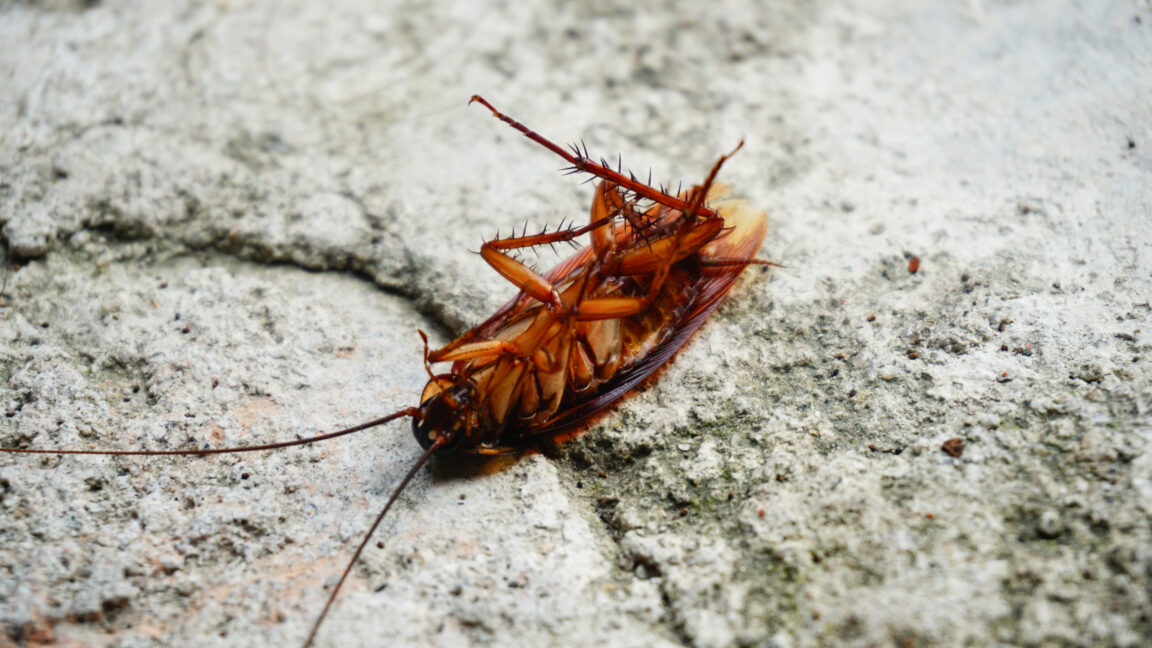
Horizontal gene transfer—the incorporation of a gene from one species into the genome of a distantly related species—is well known among microbes but thought to be rare in complex animals. However, a recent study published in PNAS has found that cockroach genomes are loaded with bacterial DNA pieces, indicating frequent horizontal transfer.
Why Cockroaches?
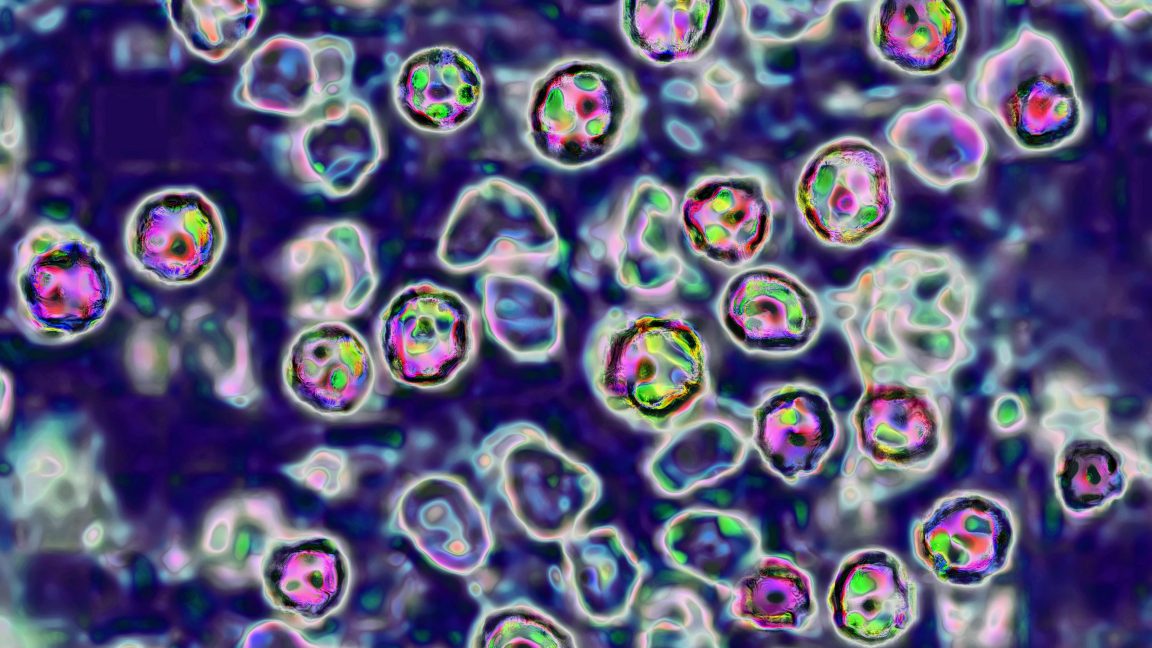
Researchers chose cockroaches because they are closely related to termites, which rely on endosymbiotic bacteria Blattabacterium to recycle nitrogen from their wood-based diet. Cockroaches retain these bacteria and pass them to offspring through eggs, providing ample opportunities for horizontal gene transfer.
Study Findings
By sequencing multiple cockroach species, the team identified between 93 and 4,900 bacterial DNA insertions, each at least 50 base pairs long. Most were short—median length 160 base pairs—and over 75% were located outside of gene-coding regions. Some insertions appear ancient, dating back to the origin of cockroaches, while others are shared among closely related species, suggesting recent origins.
Significance
While most of these sequences have no apparent function and persist merely because they are harmless, their abundance suggests that horizontal gene transfer is a regular occurrence over evolutionary timescales. Earlier studies may have missed such transfers because bacterial DNA was often dismissed as contamination. With modern long-read sequencing, which can detect the junctions between bacterial and animal DNA, these hidden genetic fragments are now being uncovered.