Latvia proposes three-tier emergency response and expanded healthcare services
Draft regulations, open for public consultation until 12 September 2026, would introduce three priorities for emergency medical calls, new response time targets, and broaden state-funded healthcare services.
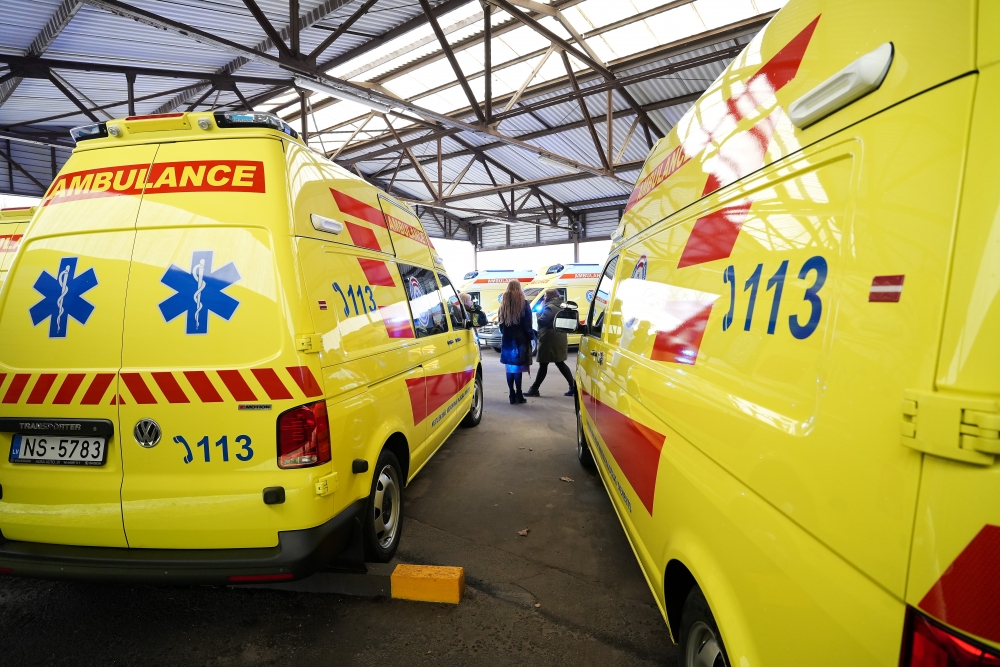
Latvia's Emergency Medical Service (NMPD) is set to undergo significant changes under draft amendments to Cabinet Regulation No. 555. The proposal, submitted for public consultation until 12 September 2026, would divide emergency calls into three priority levels and adjust response times accordingly. Hospitals would also be required to accept patients from NMPD crews within 15 minutes.
The first priority would cover immediate life-threatening conditions such as unconsciousness, severe breathing difficulties, acute heart problems, or severe trauma. The second priority would apply to critical conditions with a high risk of deterioration, including chest pain, stroke symptoms, or moderate injuries. The third priority is intended for situations requiring urgent medical attention, such as exacerbations of chronic diseases, fever, or minor trauma.
For first and second priority calls, an ambulance would be dispatched immediately, with the second priority response level tailored to the severity of the situation. In third-priority cases, assistance would be provided within two hours, depending on available resources and the number of higher-priority calls. Operators or consulting doctors would also offer first-aid instructions over the phone when needed.
Response time targets would no longer depend on administrative territorial divisions but on population density. Densely populated areas are defined as those with more than 4,000 residents and a density exceeding 300 people per square kilometre. In such areas, first-priority calls should be reached within an average of 8 minutes, while other areas would have an average target of 15 minutes. Second-priority calls would have an average response time of 18 minutes nationwide, and third-priority calls would be handled within 120 minutes in 90% of cases.
To reduce delays, hospitals would be obliged to take over patients from NMPD crews within 15 minutes of arrival. They would also need to prepare patients for transfer before the crew arrives, avoiding long waits at emergency departments.
The amendments also propose discontinuing state-funded psychotherapy specialist services, as this profession is not regulated. Instead, a new state-funded digital therapy service would be introduced for children aged 14 and older and young people up to 25, targeting depression, anxiety, and negative behavioural patterns.
Oncology patients and those requiring organ transplants would receive care on a priority basis. Specialist doctors would be allowed to refer patients to the 'green corridor' for faster cancer diagnosis, and conditions for family doctors receiving bonuses for early cancer detection would be tightened, requiring the patient to have visited the doctor within the previous three years.
State-funded nutritionist consultations would be extended to patients with obesity, endocrine, circulatory, and oncological diseases. Certified ergotherapists would be able to provide services in long-term social care institutions. Additionally, stricter controls on S1 forms are planned, requiring applicants to declare their permanent residence abroad, while more information would be required for S2 forms, including expected costs, country, and provider.