Putin sends Trump a 'gift' — and may expect something in return
Russia has released an American citizen from custody, a move that historically prompts a reciprocal gesture from the United States. Such exchanges have become a recurring pattern in US-Russia relations.
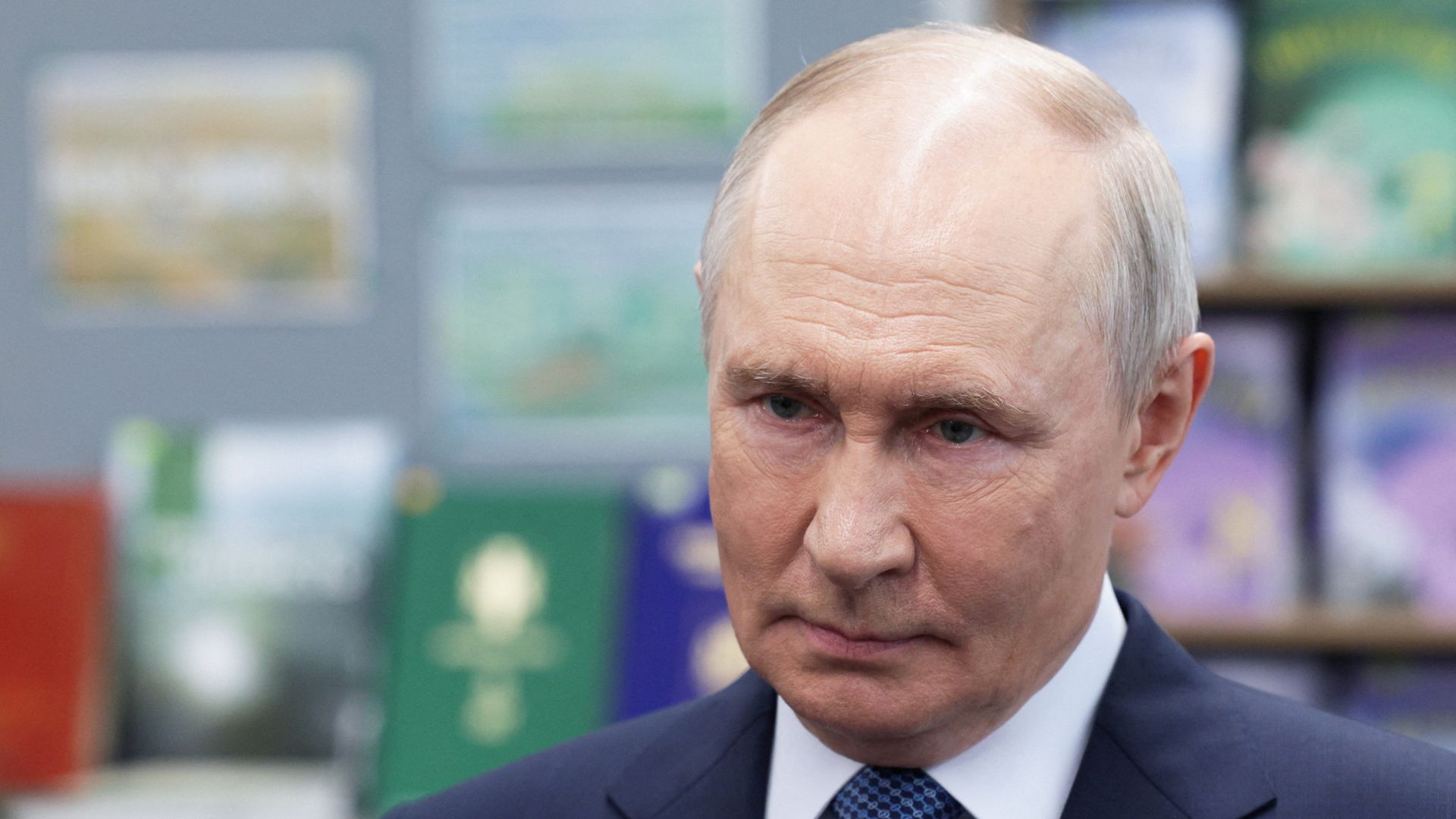
When Russia releases an American citizen from prison, it rarely happens in isolation. Typically, such a move is followed by some form of reciprocal gesture from the United States, reflecting a long-established pattern in how the two countries handle citizens held on the other's soil.
A recurring pattern of exchanges
Over recent years, the US and Russia have repeatedly relied on this kind of exchange mechanism to resolve cases where one country holds a citizen of the other. These arrangements usually follow prolonged, largely hidden negotiations involving intelligence services and diplomatic channels from both sides.
What it could mean this time
The latest release of an American citizen by Russia is being seen as a gesture that may prompt Washington to consider its own response. Historically, this dynamic has also shaped the broader tone of US-Russia relations, particularly during periods when the two countries are navigating other complex international issues.
While the precise terms of any potential American reciprocation remain unclear, the established pattern suggests Washington is unlikely to let such a gesture go unanswered. Over time, this kind of tit-for-tat approach has become one of the few channels through which Moscow and Washington maintain direct engagement, despite tensions in other areas of their relationship.
The development is being watched as part of the wider interaction between the two countries, in which both sides periodically seek ways to address the fate of their citizens held abroad.