Ebola outbreak in DR Congo worst on record, WHO says
The World Health Organization has described the ongoing Ebola outbreak in the Democratic Republic of Congo as the most severe in the country's history. As of 30 July, more than 3,600 confirmed cases and over 1,500 deaths have been recorded.
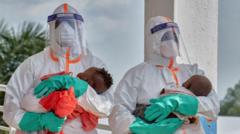
The World Health Organization has described the ongoing Ebola outbreak in the Democratic Republic of Congo as the most severe in the country's history. According to WHO data released on 30 July, there have been 3,605 confirmed cases and 1,587 deaths, giving a fatality rate of 44 percent.
The outbreak is caused by the Bundibugyo strain of the Ebola virus, which was first declared on 15 May 2026. It has already surpassed the previous record outbreak that occurred between 2018 and 2020, which saw nearly 3,500 documented cases and about 2,300 deaths. Unlike the earlier outbreak, there is currently no approved vaccine or treatment specifically for the Bundibugyo strain, though vaccine development is under way in the United Kingdom and Singapore.
Ebola is transmitted through contact with bodily fluids and has been responsible for roughly 15,000 deaths across Africa over the past five decades. In a statement posted on X (formerly Twitter), the WHO noted that the outbreak is "intensifying, with sustained transmission and continued increases in reported cases and deaths." The agency also reported that the previous week had brought the highest weekly totals since the outbreak began, with 567 new cases and 296 deaths. These numbers highlight "the exceptional pace of transmission," it said.
The epicentre of the outbreak is the Ituri province in the country's northeast, which shares borders with South Sudan and Uganda. However, the disease has also spread to other areas, including the North and South Kivu provinces, where large zones are under the control of the Rwanda-backed M23 armed group. The WHO warned that "insecurity, population displacement, and cross-border movement" continue to hamper response efforts and increase the risk of further spread.