WHO: Current Ebola outbreak in DR Congo could become deadliest on record
The WHO director-general has warned that the ongoing Ebola outbreak in the Democratic Republic of Congo could surpass the 2014-2016 epidemic as the deadliest ever recorded. Since May, more than 4,300 cases and over 2,000 deaths have been reported.
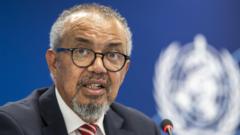
The World Health Organization's director-general, Tedros Adhanom Ghebreyesus, has said the current Ebola outbreak in the Democratic Republic of Congo (DRC) could, at its present rate of spread, surpass the 2014-2016 epidemic that killed at least 11,000 people — until now considered the deadliest Ebola outbreak on record.
The outbreak was officially declared on 15 May, and since then more than 4,300 cases and over 2,000 deaths have been recorded. Health officials now believe the virus actually began spreading around three months earlier, in February, but was initially mistaken for malaria or typhoid.
Struggling to keep up
WHO Africa director Dr Mohamed Janabi said health teams are "chasing the virus" while it stays ahead of their response. Ongoing instability in eastern DRC, where the outbreak is centred, has made containment harder, with health workers currently able to reach only around 30% of cases.
The outbreak is caused by the rare Bundibugyo species of Ebola, which has previously triggered only two known outbreaks, in 2007 and 2012. No approved vaccine or recognised treatment currently exists for this particular strain.
On Wednesday, the WHO said it hoped to bring transmission under control within three months, while stressing this would not mean the outbreak is fully over.
Vaccine efforts under way
The UK's medicines regulator, the MHRA, has approved the first human trials of a Bundibugyo vaccine developed by a University of Oxford team, built on the same technology used in the Oxford-AstraZeneca Covid vaccine. Three other groups are working on separate vaccines but have not yet reached clinical trials. Separately, the WHO is backing a clinical trial in the DRC testing whether two existing antiviral drugs can improve patient survival rates.