RaboResearch: Global Animal Protein Output to Grow Just 0.3% in 2027
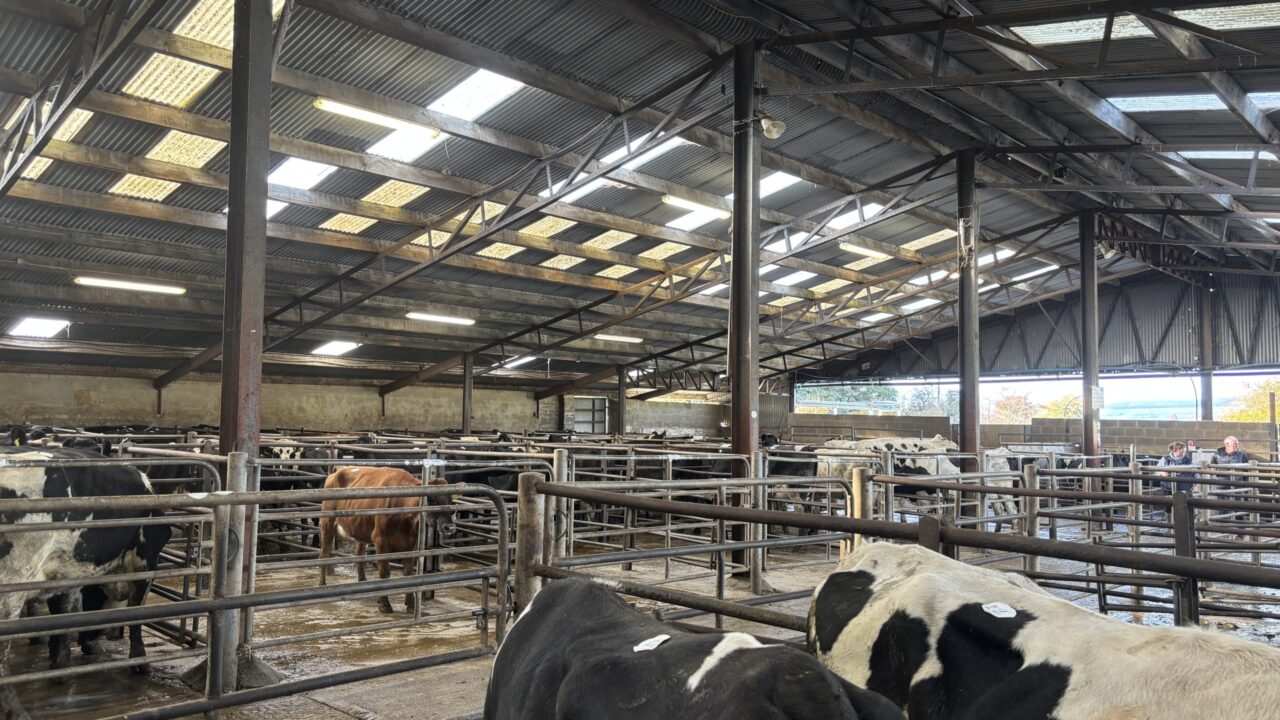
Analysts at Rabobank's research arm forecast a sharp slowdown in animal protein production growth in 2027. Poultry will be the main driver, while beef, pork and wild-catch seafood output are expected to contract.
Global animal protein production will grow by just 0.3% in 2027, according to the "Global Animal Protein Outlook 2027" report from RaboResearch, the food and agriculture research unit of Rabobank. The analysts attribute the slowdown to tighter supplies in several major protein categories, persistent cost pressures, trade disruption and consumers who are increasingly focused on value.
Poultry keeps expanding
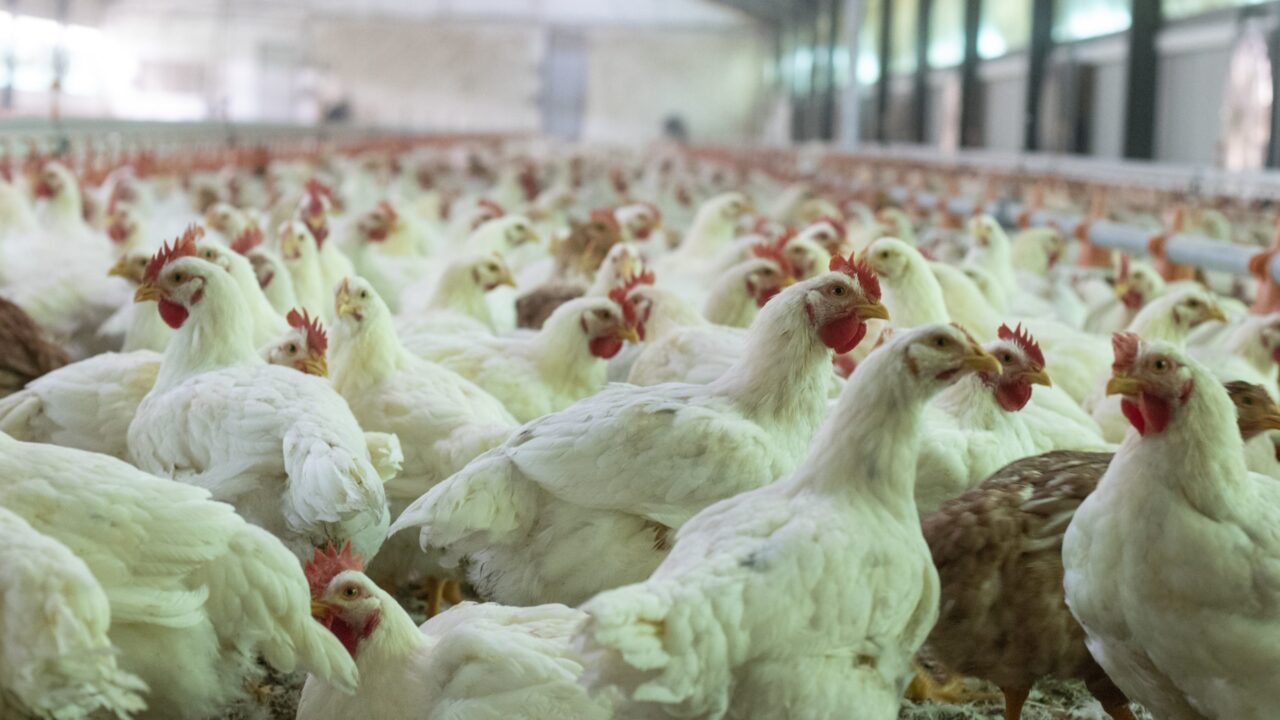
The report forecasts that poultry will grow by an estimated 3.1% and aquaculture by 1.2%. Production of wild-catch seafood, beef and pork is expected to contract. Combined beef, pork and poultry growth across key terrestrial protein-producing regions is projected to slow to 0.8%, the lowest rate since 2021.
Éva Gocsik, global head of animal protein at RaboResearch, said companies will need to prioritise margin protection, productivity, supply-chain resilience and disciplined investment. Energy, feed and financing costs are expected to stay elevated, and companies may find it harder to pass them on to consumers.
Weather and water
Weather and water availability are set to move higher up the strategic agenda. Strengthening El Niño conditions add uncertainty to feed production and livestock systems, while water scarcity is becoming a location-specific constraint on production, sourcing and expansion.
Demand and prices
Demand for animal protein remains resilient, but consumers are becoming more selective. Affordability will support lower-cost proteins such as chicken and eggs, while creating headwinds for higher-priced beef, lamb, premium seafood and other products. Frozen products, private label, value cuts and larger pack sizes are also likely to benefit as households try to stretch food budgets. Gocsik stressed that it is not simply a matter of consumers trading down: growing awareness of protein's role in healthy ageing, satiety and muscle maintenance is creating opportunities for differentiated products.
Trade uncertainty
Animal protein trade is becoming more fragmented as disease outbreaks, geopolitical tensions, protectionism and sustainability requirements influence market access. Reduced access for US beef in China has let Brazil and Australia defend or expand market share, although safeguard quotas limit further gains. In the EU, the suspension of Brazilian beef imports is creating opportunities for Argentina and Uruguay, while a positive audit raises the prospect of Brazilian chicken shipments resuming from early 2027. China's evolving role as a net poultry exporter is adding competitive pressure.
The report adds that greater acceptance of regionalisation, stronger biosecurity and more flexible supply chains should help limit disease-related trade disruption in 2027.