‘Radio Dėdė’: The man behind Lithuania’s radio history
As Lithuanian National Radio (LRT) marks its 100th anniversary, it remembers Petras Babickas, the country’s first radio announcer, known as “Radijo Dėdė” (radio uncle).
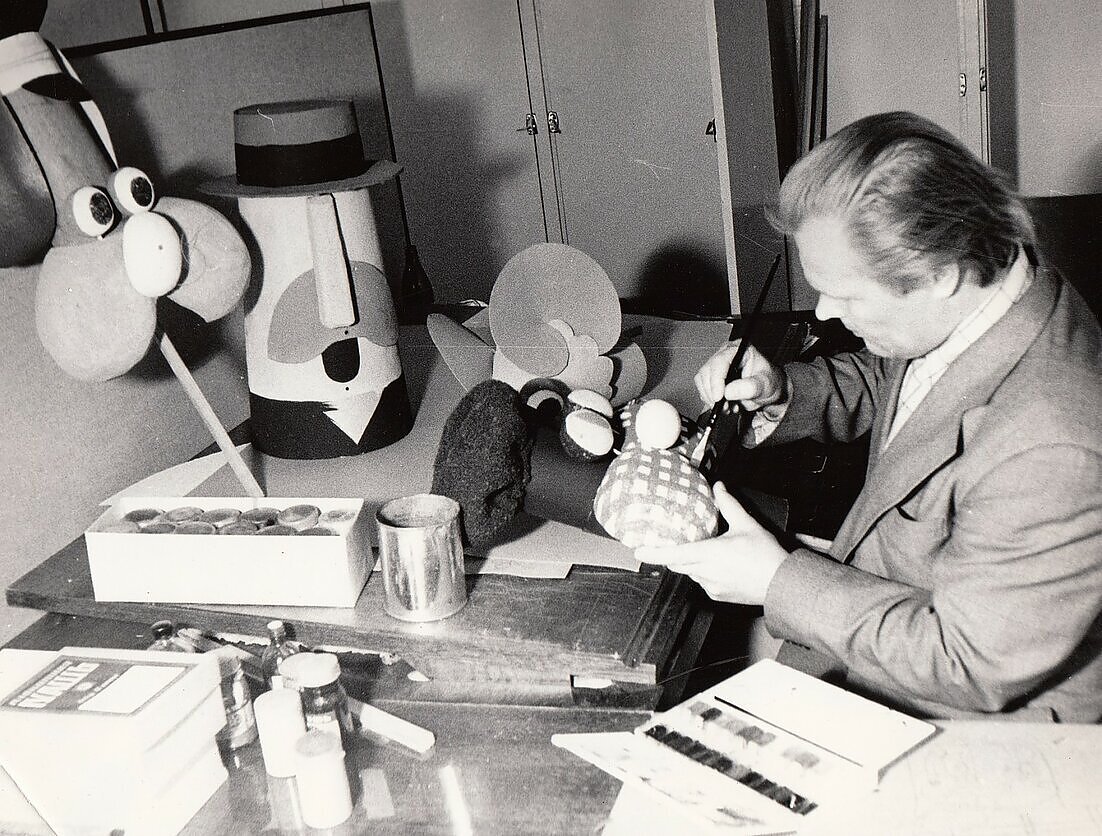
Lithuanian National Radio (LRT) is celebrating its 100th anniversary this year, commemorating the people who helped build and run the institution. One of them was Petras Babickas, the country’s first radio announcer, who became known as “Radijo Dėdė” – radio uncle.
Historian and museum curator Aušra Jonušytė from the Kupiškis Museum describes him as a man of many talents. During his lifetime, he published 16 books, traveled extensively across Lithuania by bicycle, collected folklore and museum artifacts, took photographs, and organized exhibitions. In 1932, his personal exhibition of artistic photography in Kaunas attracted considerable interest – all 300 photographs were sold. But perhaps his greatest recognition came in 1937 at the World Exposition in Paris, where his photographs were awarded a gold medal.
Babickas became a Lithuanian Radio announcer unexpectedly in 1926. At the time, the national radio service and its transmitters were part of the defense system, and the head of the service, Colonel Alfonsas Jurskis, did not have a dedicated announcer position. According to accounts from the time, the decisive moment came by chance. The colonel summoned a soldier from the Kupiškis region and instructed him to read news bulletins from the Lithuanian news agency ELTA. The soldier read them in a strong local dialect. Babickas, who was then working as a teacher in Jurbarkas, heard the broadcast and decided to travel to Kaunas himself. “He went to see Colonel Jurskis and asked why the news was being read so poorly. The colonel replied: ‘If you can do it better, please read it yourself. I don’t have any separate positions available,’” archival sources record. Soon afterward, Babickas became a presenter at the radio service and Lithuania’s first radio announcer.
As World War II drew to a close, Babickas left Lithuania for Germany and later moved to Italy. While living there, he wrote for the press and pursued his interest in the arts. In 1946, he emigrated to Brazil, where he worked as a cultural attaché and hoped to establish a Lithuanian museum. He said he would return to Lithuania only when the country’s borders were guarded by Lithuanian soldiers and customs officers. Until his death, he never took the citizenship of any other country. Babickas died in Rio de Janeiro in 1991. His remains were returned to Lithuania in 2006.