Ratnieks seeks stronger legal protection for Freedom Monument against "inappropriate protests"
Riga deputy mayor Edvards Ratnieks has asked the city's executive director to draft amendments to the law on the Freedom Monument and the Riga Brethren Cemetery to prevent "inappropriate protest actions". The move follows a 24 November rally in defence of aid worker Ieva Raubiško.
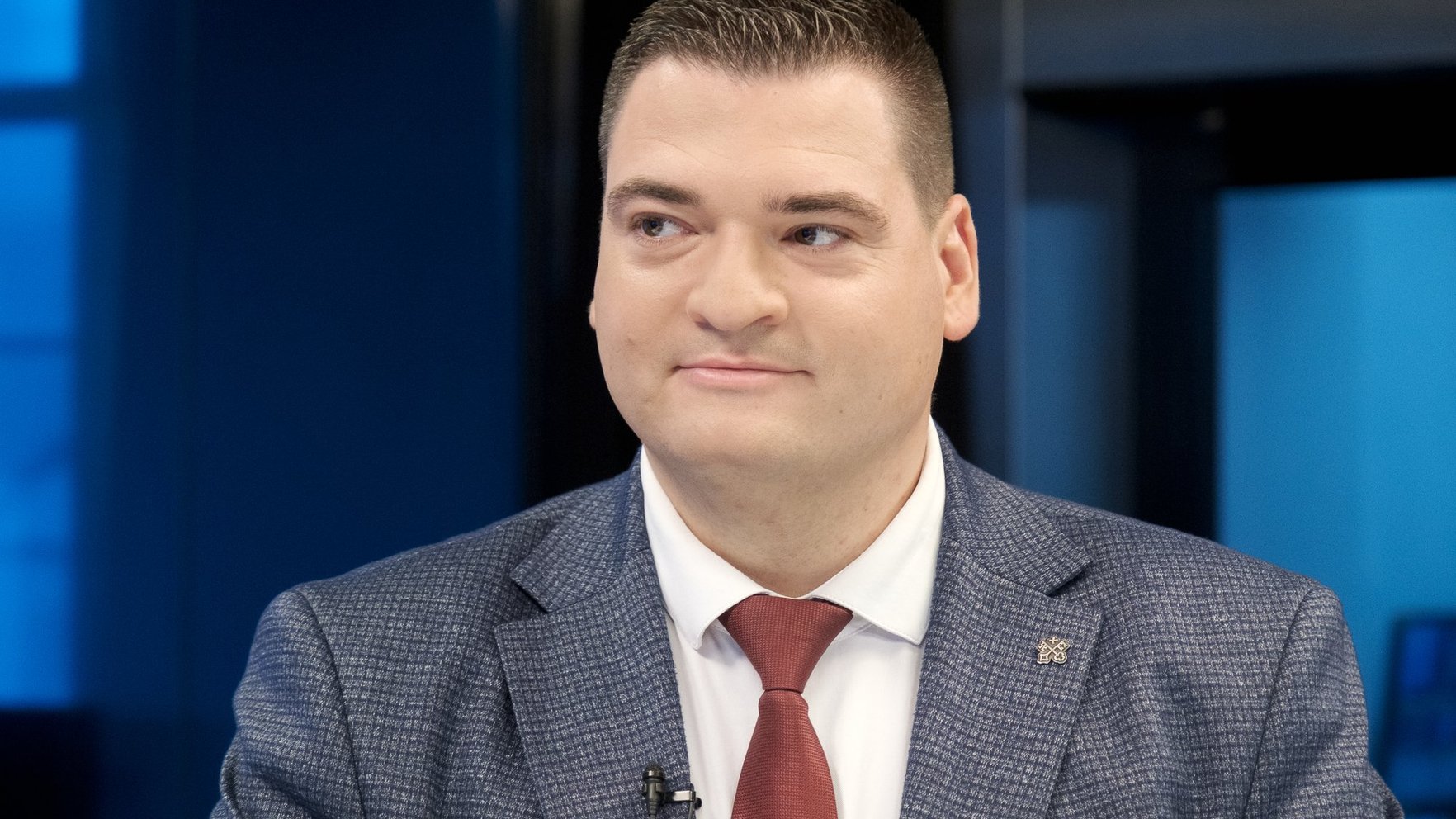
Riga deputy mayor Edvards Ratnieks of the National Alliance has instructed the city's executive director to prepare proposals for amending the law on the Freedom Monument and the Riga Brethren Cemetery. The aim is to prevent "inappropriate protest actions" at the Freedom Monument and at other sites important to Latvia's history. Ratnieks' adviser Inese Ozoliņa informed the news agency LETA.
Ratnieks stresses that Latvia's national memorial sites need special legal protection that would stop them being used for activities incompatible with their significance and with respect for the country's history. In his words, the Freedom Monument symbolises the state's independence, the people's freedom and historical self-awareness, while the Riga Brethren Cemetery is a sacred place of remembrance for those who gave their lives for Latvia.
Meeting and review of police conduct
On Friday, 28 November, at noon, Ratnieks will meet at Riga City Council with Ivars Āboliņš (National Alliance), chair of the Saeima's Legal Affairs Committee, and with representatives of the Riga municipal police and the city administration. They will discuss possible solutions and the amendments needed so that the regulation clearly states which activities are not permitted at these protected sites.
The deputy mayor has also asked the executive director to assess the police's course of action during the protest at the monument.
What happened at the monument
On the evening of 24 November, a rally was held at the monument in defence of Ieva Raubiško, an employee of the organisation "Gribu palīdzēt bēgļiem" ("I Want to Help Refugees"). TV host Aivis Ceriņš, who ran in the Saeima elections for the "United List" but was not elected, also spoke. He claimed that Raubiško had received too lenient a punishment. After his address, municipal police officers escorted him away from the registered rally site.
The rally took place a day before the Latgale Regional Court in Rēzekne began hearing the criminal case against Raubiško on appeal. Last year a court of first instance sentenced her to 200 hours of community service. Raubiško, her defenders and the prosecution all appealed the ruling. In court debates the prosecutor requested a prison sentence of one and a half years.
Raubiško was charged with organising illegal border crossing, but the court found her guilty of aiding illegal border crossing. Judge Ivars Dzindzuks noted that her motive had been to provide humanitarian aid, but that it was carried out by unlawful means.