Reform UK unveils £50bn plan to cut benefits for disabled people and foreign nationals
Reform UK's finance spokesperson Robert Jenrick has set out plans to cut £50bn in welfare spending, targeting both disability benefits and payments to foreign nationals. The proposals have drawn sharp criticism from opposition politicians and disability campaigners.
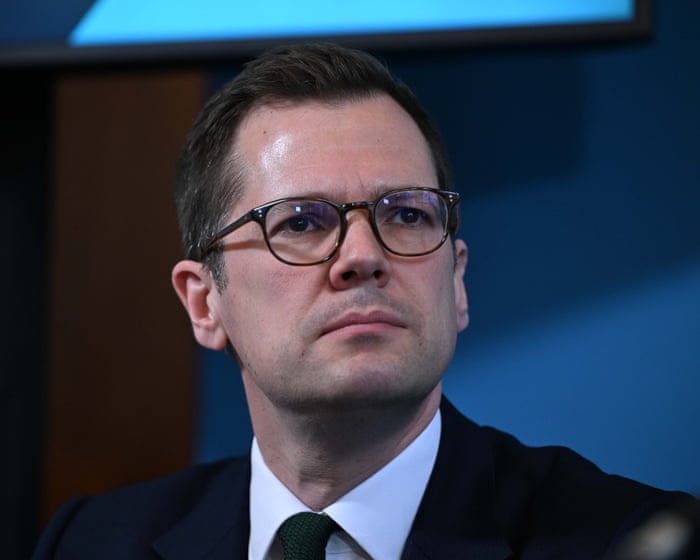
Reform UK's finance spokesperson, Robert Jenrick, has laid out a plan to cut £50bn from the welfare bill, aiming to reduce overall spending by roughly a quarter. Of that total, £20bn would come from changes to disability benefits, while £21bn would come from barring most benefits for foreign nationals, including EU citizens with settled status.
Under the plan, personal independence payment (Pip) would be replaced with a new cash benefit restricted to those who are "gravely ill and severely challenged". People with less severe conditions would instead receive support managed by councils and mayors.
Foreign-born households would lose access to universal credit, housing benefit, pension credit, jobseeker's allowance, child benefit, free childcare, free school meals and disability benefits. An exception would apply to foreign-born parents of British-born children, who would keep eligibility for child benefit and free school meals. The restrictions would also apply to people holding EU settled status.
The pro-EU campaign group Best for Britain warned that stripping benefits from settled-status holders would breach the UK's withdrawal agreement with the EU. Jenrick described paying benefits to non-Britons as "plain immoral", despite many having paid into the tax system through work.
The plan has faced strong pushback from opposition figures. Labour MP Rachael Maskell said Pip helps disabled people work and take part in society, arguing that threatening to remove it shows Reform does not want disabled people to play a full role in society. Linda Burnip of Disabled People Against Cuts said past attempts to cut disability benefit costs had failed and warned that reducing small payments could lead to far greater public costs, such as hospital stays. Labour called the proposals "fantasy economics", while Green party deputy leader Mothin Ali accused Reform of targeting the most vulnerable instead of taxing the wealthy. The Conservatives dismissed the announcement as "cobbled together", claiming their own plan would save £23bn.