Western intelligence warns Russia may put a nuclear-armed satellite into orbit
Western intelligence agencies warn that Russia could place a satellite armed with a nuclear charge into Earth orbit by the end of the year. Similar concerns were raised by US intelligence in early 2024.
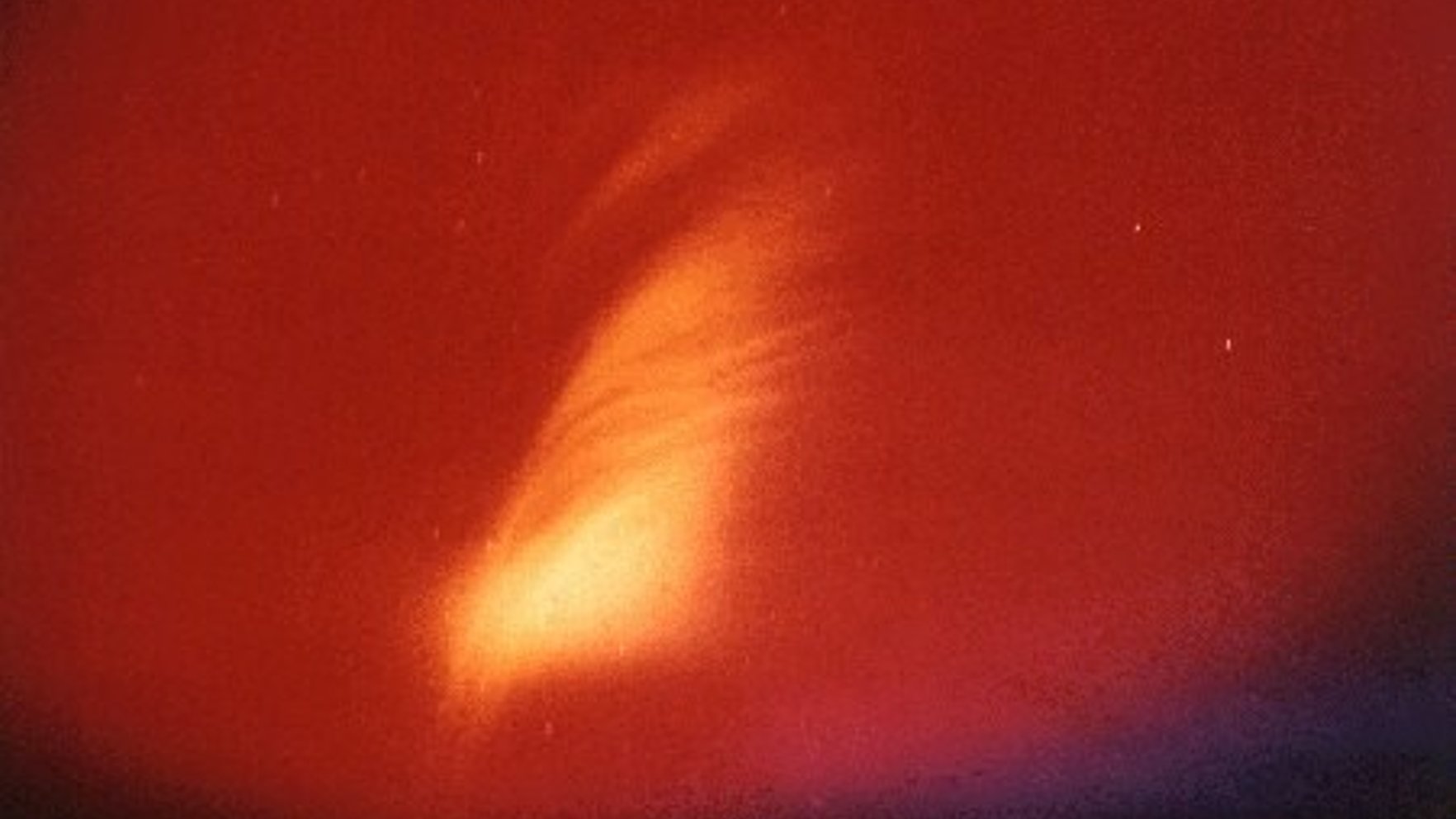
Western intelligence services have warned that Russia could launch a satellite armed with a nuclear charge into Earth orbit toward the end of this year. Such a step would sharply raise the level of security threats, since placing nuclear weapons in space is an extremely sensitive international security issue.
Similar concerns surfaced more than two years ago. In early 2024, US intelligence agencies warned allies in Europe about such intentions on the part of the Kremlin.
What happens if a nuclear weapon is detonated in orbit
There is already experience with nuclear explosions in space. Before a treaty took effect that permitted nuclear detonations only underground, both the United States and the Soviet Union managed to test such weapons in space as well.
The most powerful nuclear weapon detonated in space was the W49 thermonuclear warhead. Its test, code-named "Starfish Prime", was one of five tests in the US operation "Dominic". The bomb was detonated at an altitude of 400 kilometres and had a yield of 1.4 megatons, roughly 100 times that of the bomb dropped on Hiroshima.
How space differs from a blast on Earth
On Earth, a nuclear explosion produces a bright, extremely hot fireball that vaporises everything nearby, followed by a destructive shockwave and finally the characteristic mushroom cloud, after which radioactive material falls over a wide area. The blast also emits penetrating radiation: alpha, beta and gamma rays, as well as a stream of neutrons.
Space is a near-vacuum, so with no atmosphere there would be no mushroom cloud and no shockwave. Instead, a nuclear blast in space would cause damage by emitting intense electromagnetic radiation, namely gamma rays and X-rays.