Western intelligence: Russia could put a nuclear-armed satellite into orbit in the coming months
Western intelligence services and Germany's armed forces believe Russia could launch a satellite carrying a nuclear warhead. Moscow rejects the claims as propaganda.
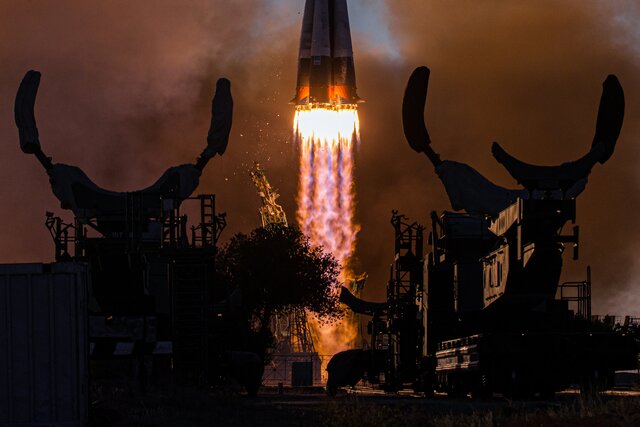
Western intelligence services and military officials, including Germany's armed forces (the Bundeswehr) and the Federal Intelligence Service, believe Russia may put a satellite carrying a nuclear explosive device into orbit, according to the German outlets WDR, NDR and Süddeutsche Zeitung. Representatives of several NATO countries recently exchanged information on the matter. Such a deployment would breach an international space treaty and threaten satellites and communications systems worldwide.
What intelligence agencies say
The satellite, called "Sputnik-S," has reportedly been kept ready for launch near Moscow for several years. In early November 2026, intelligence agencies warned that it could be launched with a nuclear warhead within the next 60 days. The Bundeswehr's Space Command estimates it could reach orbit as early as December. Bundeswehr experts briefed German government officials, including Defense Minister Boris Pistorius.
The U.S. Defense Intelligence Agency published a space-situation assessment in October stating that Russia is developing a satellite capable of carrying nuclear weapons. The report said such a deployment would violate a 1967 treaty that bars parties from placing in Earth orbit any objects carrying nuclear weapons or other weapons of mass destruction. U.S. intelligence believes there would be virtually no effective way to counter such a satellite once in orbit.
Possible consequences
Experts estimate that a nuclear explosion in space would disable about a third of all low-Earth-orbit satellites within hours or days. The rest could later be damaged by the cloud of debris. The blast would also produce a powerful electromagnetic pulse, disrupting technical systems on Earth: electricity, communications and navigation could be lost. Western militaries, which rely more on satellites, would be hit harder than Russia's.
The Bundeswehr's Cyber and Information Space Command said protecting German systems against nuclear weapons in space would require enormous financial costs. A representative proposed an alternative: developing countermeasures able to target and neutralize satellites, including those carrying nuclear weapons.
Russia's response
The Russian embassy said the country's space research is conducted in accordance with international obligations and exclusively for peaceful purposes, and rejected "all unfounded accusations," calling them part of a propaganda campaign. Kremlin press secretary Dmitry Peskov said he had not seen the reports, but that they contained so much "allegedly possible" that they were hardly worth taking seriously.
Earlier reports
Western media have reported for years that Russia intends to deploy nuclear weapons in space. They have also written about a secret satellite, "Kosmos-2553," which Russia launched shortly before its full-scale invasion of Ukraine in February 2022. The United States believes it is tied to Moscow's plans for space-based weapons that could destroy American satellites. The Kremlin denies this, and Reuters reported the satellite may have failed in late 2024.


