461 people wait for state care in Latvia while one woman's mother has nowhere to go now
A woman describes being caught in a bureaucratic gap after her mother suffered a severe brain haemorrhage, needing round-the-clock care that isn't yet available. Latvia's Welfare Ministry confirms 461 adults are on the waiting list for state-funded long-term care, with an average wait of about a year.
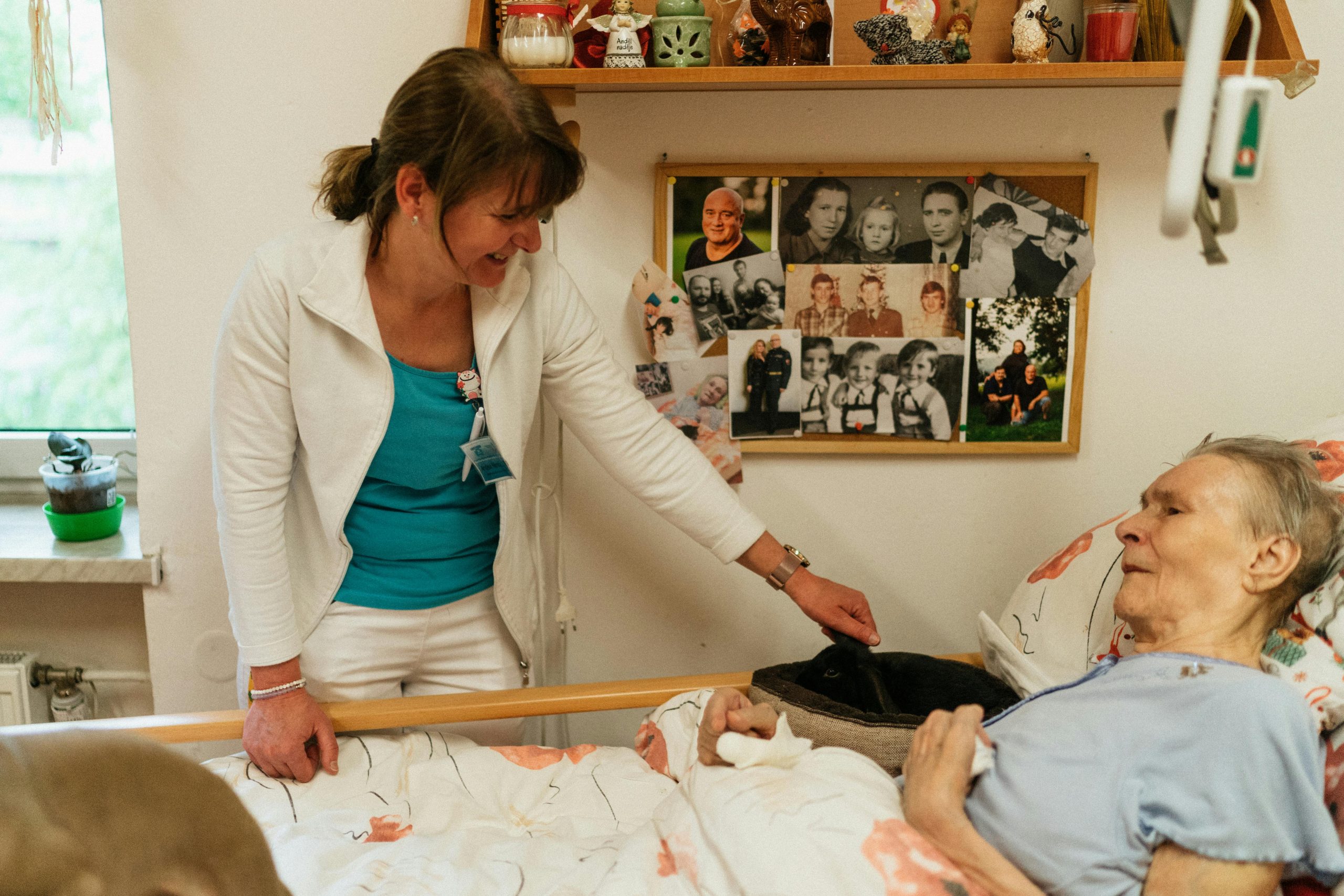
A woman who shared her story with the Latvian news outlet LA.LV describes the situation she faced after her mother's health collapsed. In late March, her mother suffered a brain haemorrhage that caused irreversible brain damage, leaving her with severe cognitive and speech impairments as well as epileptic seizures. She now needs continuous, round-the-clock supervision and care.
After the incident, the daughter returned to Latvia and initially cared for her mother alone, but quickly realized it was physically unsustainable. When she contacted the local municipality, she learned that the small town where her mother lives has no closed-type care facility. To qualify for a place in a state care institution, a disability status must first be established — a process that can take months. The daughter, who has become her mother's legal guardian, points to what she sees as an absurd requirement: the application for the state service must still be signed by her mother herself, even though her mother is objectively unable to represent her own interests.
Long queues, limited capacity
The Welfare Ministry confirmed to LA.LV that as of September 17 this year, 461 adults were waiting for first-time access to state-funded long-term social care and rehabilitation services, with an average wait time of about a year. As of September 1, Latvia had 4,267 state-funded places available across state care centres and contracted organisations, and as of July 1, 4,213 people were receiving the service.
The ministry says expanding capacity at large institutions is constrained by space requirements and funding, and that current state policy favours community-based services — home care, day care centres, and group homes — over expanding large institutions. In 2025, more than 20,000 people received home care services.
However, the ministry did not give a clear answer on who is responsible if a person's health deteriorates while waiting, nor how many additional places are actually needed, saying only that people should turn to their municipal social service for alternative solutions in the meantime.


/nginx/o/2026/10/06/17957953t1h8808.jpg)