RSU Researchers to Visit Zemgale and Vidzeme This Summer to Continue Century-Old Anthropological Study
This summer, researchers from Rīga Stradiņš University will continue the Latvian population anthropological project initiated by Professor Jēkabs Prīmanis nearly a century ago. The expedition, running from late June to August, will cover nine locations in Zemgale and Vidzeme, aiming to involve around 2,000 participants.
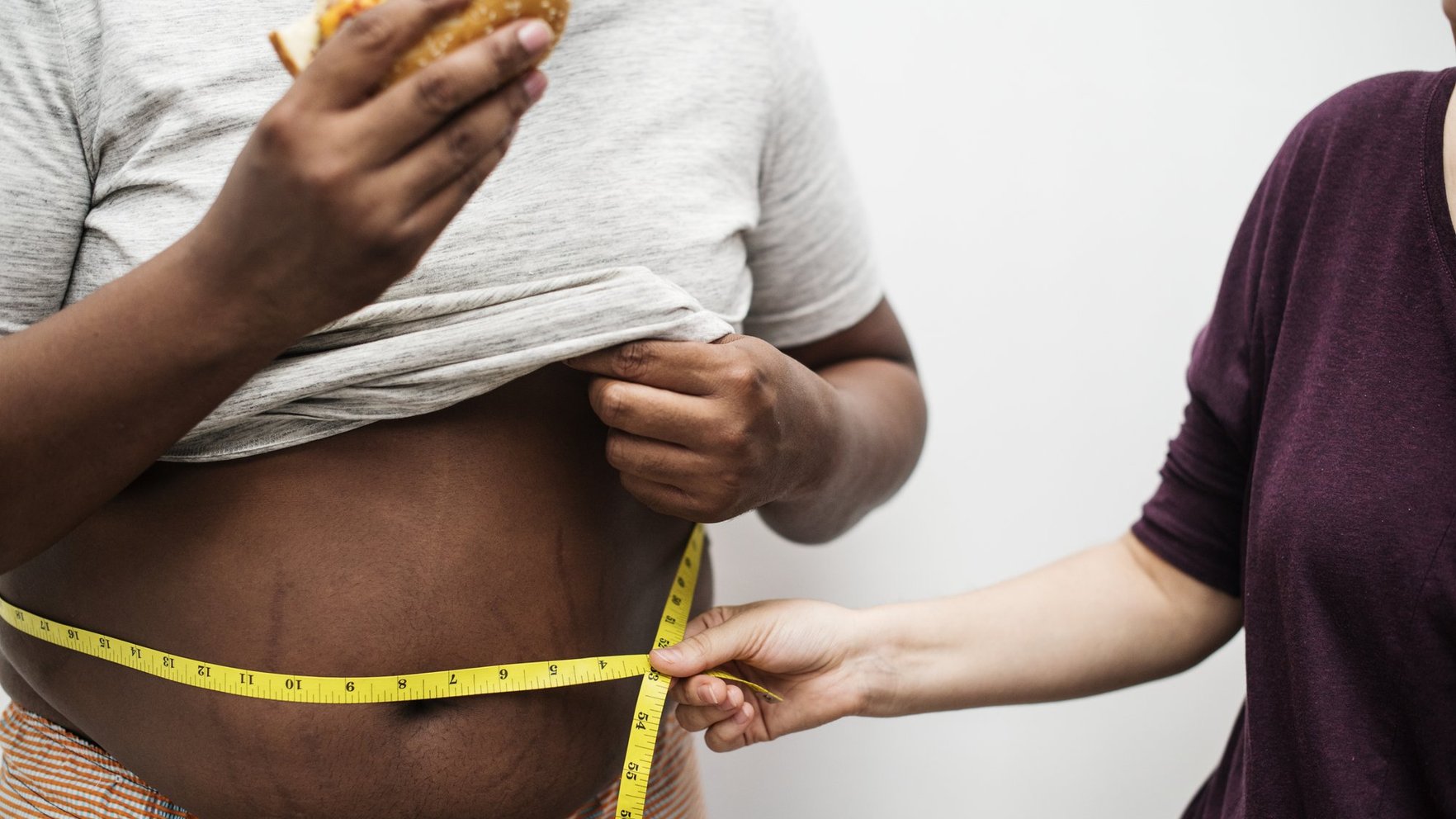
Rīga Stradiņš University (RSU) resumes an extensive anthropological project this summer, tracing its roots back to the 1920s and 1930s when Professor Jēkabs Prīmanis conducted anthropometric measurements of Latvia's population. This year's expedition will take place from late June to August, visiting nine sites in the regions of Zemgale and Vidzeme, with a target of collecting data from approximately 2,000 individuals.
The study aims to compare modern body measurements—height, weight, proportions—with historical records gathered almost a century ago. Since 2023, RSU scientists have been digitizing old materials for analysis. Preliminary findings already indicate that in the 1930s, Latvians were on average shorter than today, influenced by living conditions, diet, and healthcare.
Project leader Professor Jānis Vētra notes that these changes mirror socio-economic development, emphasizing that the research not only helps understand the past but also establishes a baseline for future comparisons.
Expedition schedule: June 29-30 in Mežotne, July 1-5 in Bauska, July 14-16 in Dobele, July 17-19 in Bērze, July 21-22 in Saulkrasti, July 23 in Salacgrīva, July 24-26 in Limbaži, and August 5-9 in Valmiera.
Participation is free. At each location, individuals can have their height, weight, and body proportions measured, as well as undergo 3D scanning. Adults may also join a genetic study. All measurements take place in specially arranged areas ensuring privacy. Minors under 17 require written parental or guardian consent.
After the measurements, participants receive their anthropometric data and, optionally, a black-and-white 3D scan image in electronic format. The aggregated results will be presented in participating municipalities and published in scientific journals.


