RTU Scientists Build Tool to Forecast Policy Impact Through 2050
Researchers at Riga Technical University, commissioned by the Ministry of Climate and Energy, have created a modelling tool showing how policy decisions interact across sectors. A simplified version for the public and journalists is planned once the ministry gives permission.

Scientists at the Institute of Environmental Protection and Heating Systems of Riga Technical University (RTU), working with partners, have developed a modelling tool for assessing how policy decisions affect the climate and national development up to 2050. The tool was commissioned by Latvia's Ministry of Climate and Energy and covers energy, industry, agriculture, land use, forestry, waste management and transport. The researchers hope it will soon become available to the wider public.
How the tool works
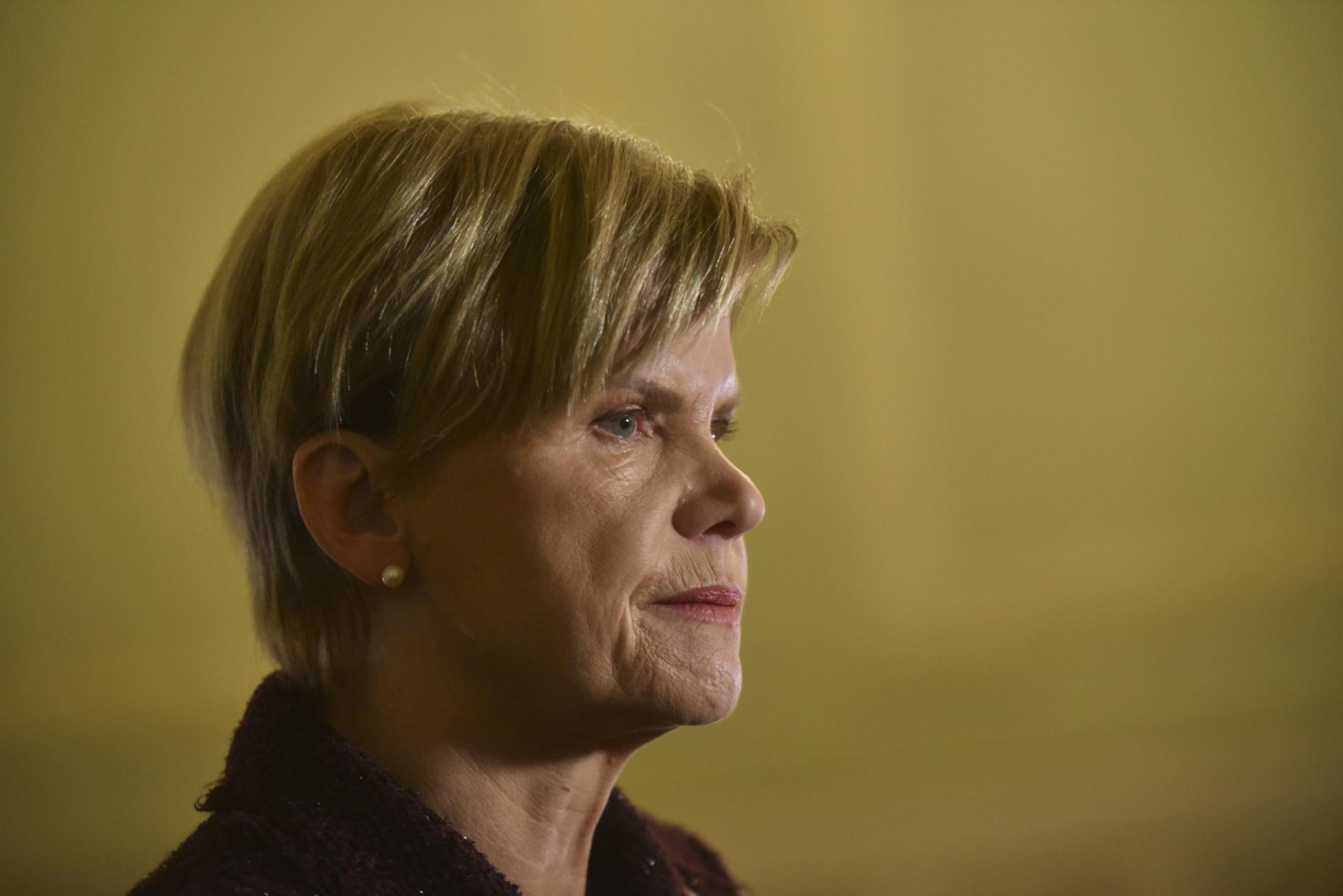
Andra Blumberga, a tenured professor at RTU and an expert in system dynamics modelling, explains that each emissions sector falls under a different ministry, so each often works in isolation and waits for others to act. The tool shows what consequences a decision in one area may have in others. A user can change inputs, for example allocating 100 million euros to electric vehicle subsidies, and the model shows how quickly the money would be used, how many fossil-fuel cars would disappear from the roads and by how much emissions would fall.
The model was first tested against data from 2010 to 2022. Its advantage is the modelling of human behaviour: unlike standard engineering calculations, it accounts for the fact that subsidies do not take effect immediately. The tool gives no ready-made recommendations, and the decision remains with the user.
Development and assessment
Four institutions worked on the tool for two years: RTU, Riga Stradins University, the University of Latvia and Vidzeme University of Applied Sciences. The researchers have presented it to the Employers' Confederation of Latvia, the heat supply companies' association, the waste sector and a Saeima committee. Blumberga says an Estonian climate policy expert, who has worked in the field for 30 years, wrote to her that Latvia was ahead of Estonia with such a tool.
Availability
The tool is not yet public and may only be released with the ministry's permission. The researchers hope this could happen as early as next year. Several levels are planned, from a simple version for residents and journalists to a deep professional version for sector experts. Latvia's goal is climate neutrality by 2050, and if it is not achieved, fines will have to be paid.