Autumn-born calves need water as much as milk, farm guidance says
Agriland UK advises calf rearers to ensure constant access to clean water during the autumn calving season, as it is key to rumen development and early health.
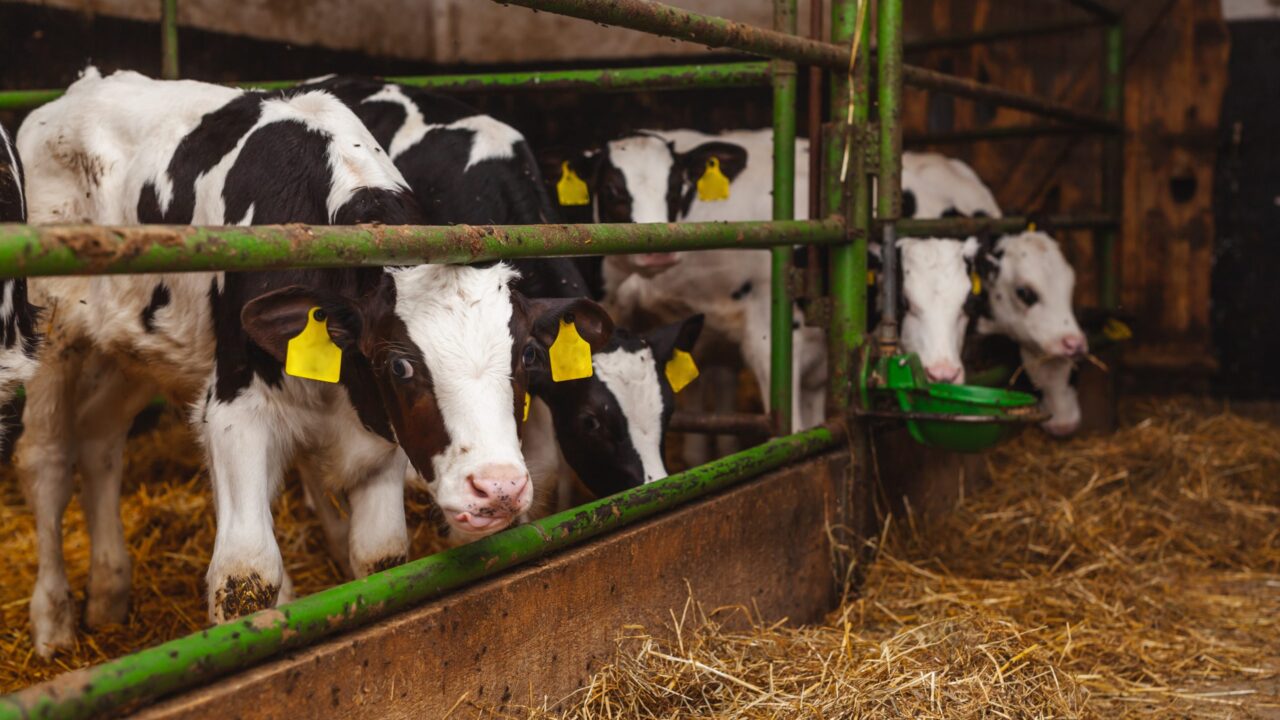
Farmers rearing calves born this autumn should remember that milk is not the only essential liquid in a calf's diet, according to the UK farming news site Agriland UK. A newborn calf depends entirely on milk because its rumen, the first stomach compartment, is not yet developed.
After birth the rumen develops quickly, and concentrates, forage and water play a growing role in the diet. These must be readily available so the rumen forms properly. The only item that should not be offered freely is concentrates, for which farmers typically use individual rations suited to their system. Water, however, is often overlooked, especially as calves are moved between pens during the busy season.
How much water is needed
Calves need roughly 1 litre of fresh, clean water a day in their first week, rising to about 4–5 litres a day by one month old. Calves usually drink 4 litres of water for each kilogram of ration eaten. Water makes up 70–75% of a calf's body weight.
Water and rumen development
Starter ration depends on water, because the rumen needs bacterial fermentation of the starter concentrate, and fermentation requires water in the rumen. The process produces butyric acid, which changes the rumen surface from smooth to rougher, forming papillae. This increases surface area, which is crucial for nutrient absorption.
Previous studies have shown that giving calves water alongside milk replacer can raise growth rates by 38%. In cold weather, warm water at about 16–18°C is said to boost starter intake by up to 31%.
Autumn risks
Autumn-born calves are not at risk of heat-related dehydration for now, but they may become dehydrated through scour (calf diarrhoea) and need a continuous water supply. Milk replacers with high total milk solids can also upset a calf's osmotic balance, pulling water out of cells and causing diarrhoea and dehydration. Fresh water lets the calf regulate that balance and lowers the risk.
Finally, farmers should check that all water troughs are within calves' reach, working properly and free of dung or bedding.


