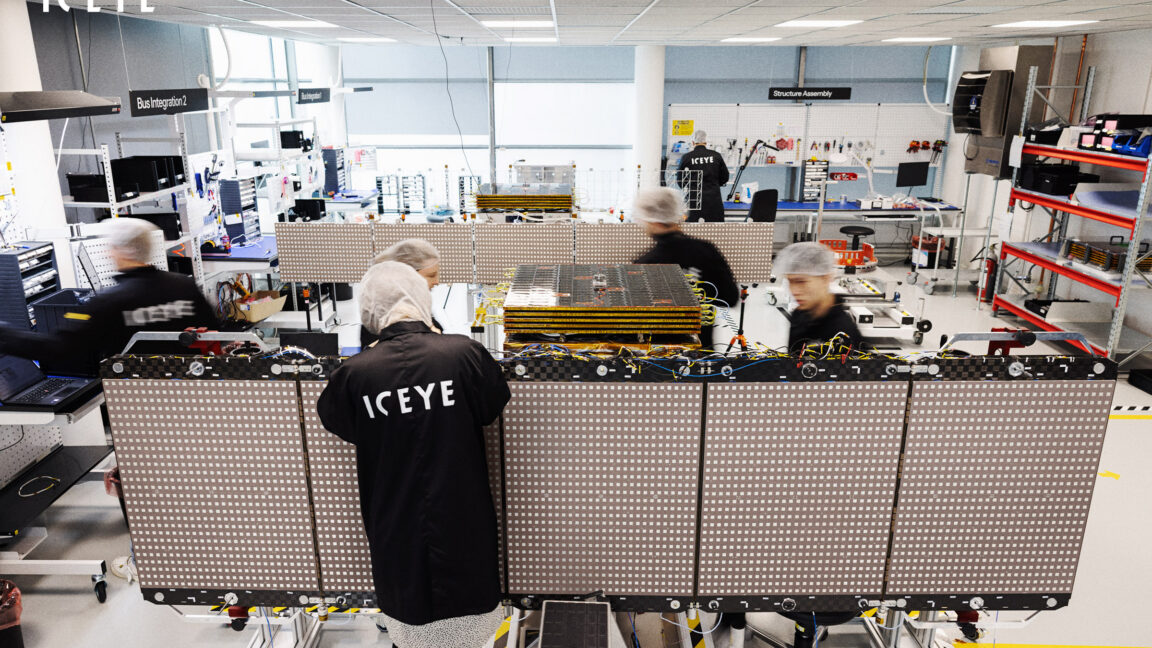
Startup tests undersea geothermal power plant at Pacific volcano for the first time
US startup Endurance Energy tested a prototype geothermal power plant in September at an active underwater volcano in the northeast Pacific. It produced net-positive electricity for under 10 seconds, but showed the technology is feasible.
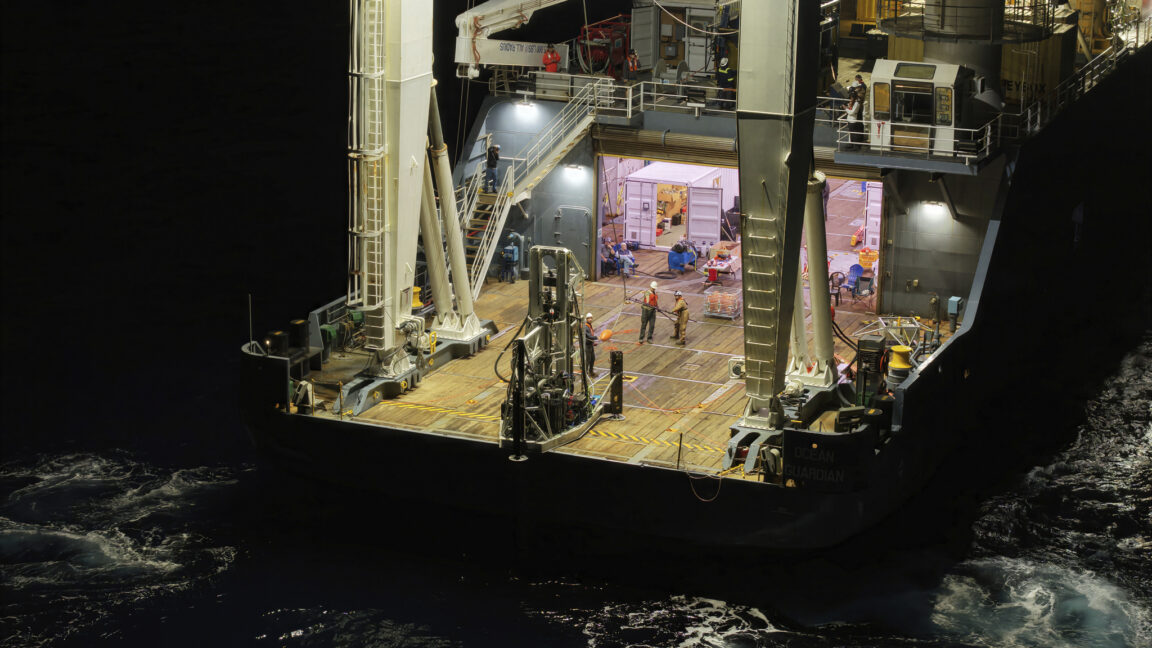
Seattle-based startup Endurance Energy carried out the world's first demonstration of a subsea geothermal power plant in September, at the active underwater volcano Axial Seamount in the northeast Pacific Ocean, almost a mile below the surface. During the three-week test, the 3-ton prototype generated net-positive electricity for less than 10 seconds. The company hopes the technology can eventually offer Pacific island nations and other customers an alternative to expensive imported fossil fuels.
Drilling and setup
A subsea lander drill, deployed from the ship Ocean Guardian operated by Stabbert Maritime, drilled two holes in the seafloor at a depth of about 1,524 meters (5,000 feet). Both began venting hydrothermal fluid at roughly 260 °C (500 °F). The team cased and cemented the second hole and fitted a valve to create a well.
The 100-kilowatt power plant, called Adélie, is designed to vaporize hydrothermal fluid, spin a turbine and drive a generator. Canada's remotely operated submersible ROPOS helped connect it to the well. The plant also linked to the company's Seattle command center through the Regional Cabled Array, a 900-kilometer network of undersea fiber-optic and electric cables funded by the US National Science Foundation and operated by the University of Washington.
The well, however, was only 16 meters deep and 5 centimeters wide, and could not supply enough fluid. The team therefore moved the plant to a nearby natural vent, where fluid was flowing at about 281 °C (538 °F).
Results and failures
On September 27, the turbine reached about 26,000 rpm for nearly half a minute and the generator produced 60 watt-hours. For about 8.7 seconds the plant made more power than it used. Median net output was about 2 kilowatts, with a peak of 16.5 kilowatts.
The run then stopped when the software, still relying on an outdated battery-module reading, automatically shut the plant down. While the team was restarting it, a power cable to the refrigerant pump failed after seawater seeped through a flaw in its casing.
What comes next
A refurbished, upgraded unit named Gentoo is planned for a trial in winter 2026–2027. The company is also developing 2-megawatt commercial generators for a first deployment off Tonga in 2027; the island nation runs its grid mainly on imported diesel. Roland Horne, professor of energy science and engineering at Stanford University, said the approach is probably feasible but would be more expensive than on land.