Candidate List Submission for 15th Saeima Elections Begins – CVK Scrutiny Process
From June 20 to July 5, political parties submit their candidate lists to the Central Election Commission (CVK) for the upcoming 15th Saeima elections on October 3. The CVK verifies candidates' compliance with legal requirements, and providing false information carries criminal liability.
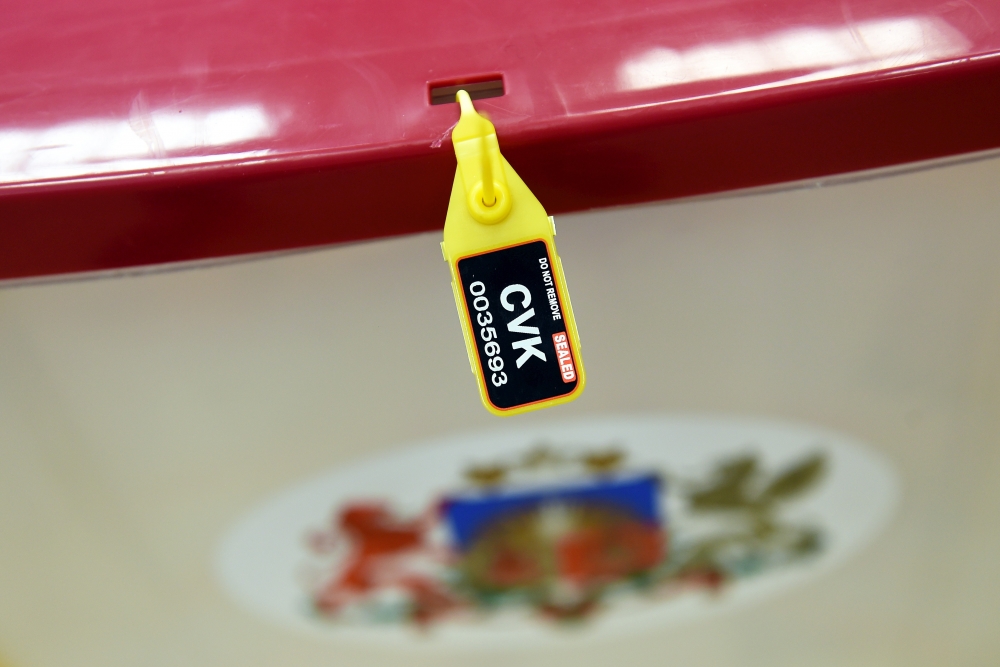
On June 20, the official submission of candidate lists for the 15th Saeima elections commenced, with the deadline set for July 5. The elections will take place on October 3. According to the Law on Elections to the Saeima, only registered political parties or alliances with at least 500 members and established no later than one year before the election date may submit lists.
Any Latvian citizen aged 21 or older on election day is eligible to run, unless subject to specific restrictions. These restrictions include being under guardianship, serving a prison sentence, having a criminal record for intentional crimes (unless rehabilitated), or having been a member of Soviet or Latvian SSR security services or pro-Kremlin organizations after January 13, 1991.
Each candidate must submit a self-declared statement including: name, surname, year of birth, gender, optional nationality, marital status, personal code, foreign citizenship (if any), residence, employment and positions, education. Additionally, candidates must disclose whether they have cooperated with security services as non-staff employees or agents.
Upon receiving lists, the CVK verifies candidate eligibility in cooperation with the Office of Citizenship and Migration Affairs, the Information Centre of the Ministry of the Interior, and the Centre for Documentation of the Consequences of Totalitarianism. If a violation is found more than 50 days before the election, the candidate is removed. Otherwise, ballots retain the candidate's name, but votes for them are not counted.
The most common violation is failing to disclose a criminal conviction, says CVK Secretary Ritvars Eglājs. Knowingly providing false information to a state institution is a criminal offence punishable by short-term imprisonment, probation, community service, or a fine. For instance, 14th Saeima MP Gloria Grevcova lost her mandate after being convicted of false statements about her workplace and education.
All submitted data will be publicly available on the CVK website. Suspected violations can be reported to the State Police.
/nginx/o/2026/10/09/17963711t1he7b0.png)
/nginx/o/2026/10/09/17965406t1h052f.jpg)
