Samsung vs. LG OLED TVs: How Their Panel Technologies Differ
Tech outlet Engadget compares Samsung and LG OLED televisions. The choice depends not only on panel type but also on room lighting, software and brand reputation.
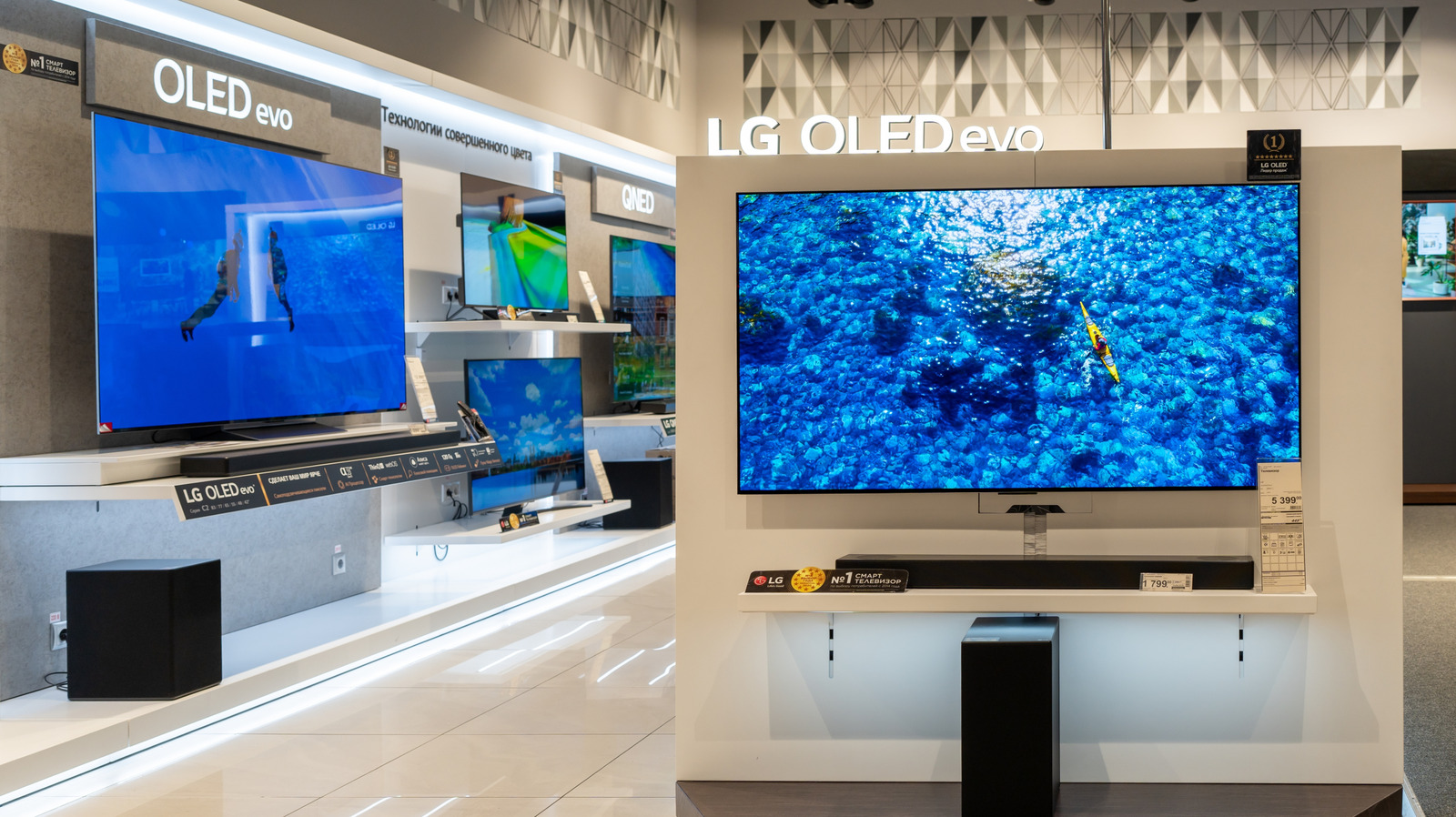
Tech outlet Engadget has published a comparison of the products from the two biggest OLED television makers, South Korea's LG and Samsung. Its conclusion is that neither brand is clearly better, because a purchase depends not just on the screen technology but also on the room where the TV will be used, the software and trust in the brand.
Panel types
OLED TVs use three panel types. LG pioneered WOLED, in which a white light source passes through red, green, blue and white filters. The white subpixel adds brightness but reduces text clarity. This type suits rooms with plenty of ambient light.
Samsung introduced QD-OLED in 2022, when it returned to the OLED TV market. It sends blue light through red and green quantum dots, which convert color instead of filtering it. As a result, the color gamut is wider and the panels are more energy efficient. In bright rooms, however, strong light can cause a magenta glare.
The third type, RGB Tandem OLED, uses several emissive layers and a striped subpixel layout to raise brightness, reaching more than 1,000 nits per pixel on some models. Its color accuracy is poorer than Samsung's QD-OLED, and the panels cost more because they are expensive to manufacture.
Software and reputation
None of Samsung's OLED models support Dolby Vision; they use HDR10 instead. LG's WebOS operating system is supported for up to five years, while Samsung's latest Tizen system gets up to seven years of updates.
Samsung has been criticized for uneven quality control and for obscuring panel information. LG has faced criticism over quality concerns with the launch of its G6 model, as well as over privacy: its terms of service reportedly allowed user conversations to be recorded and sold to advertisers. After consumer backlash, the company issued a statement.