Source of water contamination in Saue could not be identified
E. coli bacteria was found in private wells in the northwestern part of the Estonian town of Saue in mid-August, but despite extensive testing, the exact source of the contamination could not be determined. No contamination was found in the centralized water supply.
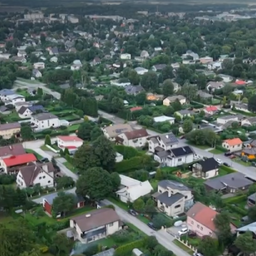
In mid-August, E. coli bacteria contamination was discovered in private wells in the northwestern part of the town of Saue, Estonia. Several agencies were involved in assessing the situation, including the Environmental Board, the Health Board, the Rescue Board, the utility company Tallinna Vesi, and the Estonian Geological Survey.
After the contamination was found, water and soil samples were taken, and sewage systems and pipelines were inspected. No contamination was detected in water from the centralized water supply system, and despite the investigations carried out, the exact source of the contamination could not be pinpointed.
Possible causes
According to hydrogeologist Andres Marandi of the Estonian Geological Survey, everything suggests the contamination could have arisen from a combination of several factors. Microbiological contamination may have already existed in the soil and shallow groundwater, while low summer water levels, the technical condition of private wells in the area, and earthworks carried out on Rauna Street could have affected water movement in the soil.
Eleven samples were taken in August. Three were taken from the centralized water supply system and were found to be normal. Eight were taken from private wells, and seven of them showed E. coli contamination.
After the contamination was discovered, various possible causes were examined. Local sewage systems and storage tanks were inspected, the possible impact of construction work on Rauna Street was assessed, and soil samples were taken at sites of potential risk.
Deficiencies were found in local sewage systems at several properties, but it could not be concluded that these were the actual cause of the well contamination in the area.
Repeat samples taken on September 2 showed that E. coli concentration had decreased in several wells. Spot checks of well water and additional soil sampling followed, but a specific source of the contamination still could not be established.
Environmental Board specialists also checked information received by the municipality that a sewage pipe had leaked during construction work on Rauna Street. The municipality noted that minor individual leaks could have occurred at certain sections of private properties during pipeline reconstruction, but their scale was not large enough to have caused significant groundwater contamination — a conclusion also supported by soil samples taken on Rauna Street. A camera inspection of pipelines in the area likewise found no damaged pipes.