Severe Drought Sparks Energy Crisis Across Central and Southeastern Europe
Prolonged drought and heatwaves have drastically lowered Danube water levels, forcing nuclear plants and factories to cut output in Hungary, Romania, and Serbia. Slovakia, Austria and Bulgaria have so far managed better due to different power generation systems.
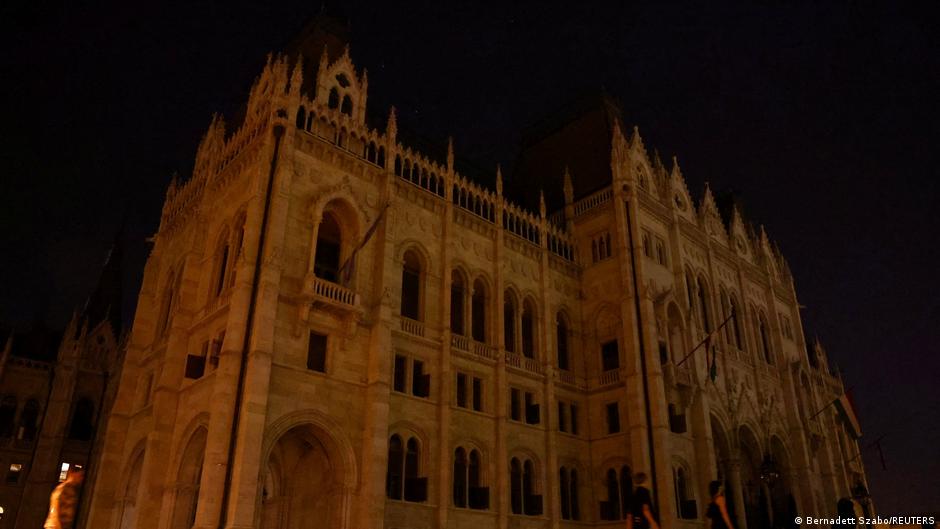
Central and Southeastern Europe is grappling with a severe energy crisis triggered by an unprecedented drought. Record-low rainfall and scorching heatwaves have shrunk the Danube River to historic lows, threatening electricity production in several countries and forcing industrial plants to reduce or halt operations.
Hungary is the worst hit. The Paks nuclear power plant, located south of Budapest, is currently operating at only about 12% of its capacity because there is not enough cooling water and the river temperature is too high. If water levels continue to drop, the plant may have to shut down completely. Paks supplies around 50% of Hungary's electricity output and one-third of its consumption. The government has called on large energy users to conserve power, and companies such as Audi Gyor and MOL have scaled back production. Hungary's energy crisis is the most severe in decades, exacerbated by an unfavorable energy mix: limited gas-fired capacity, little wind and hydro power, and insufficient storage.
Romania is facing a similar but somewhat less severe crisis. Its Cernavoda nuclear plant, which provides about one-fifth of the country's electricity, has taken one of its two reactors offline. To divert more water to the eastern branch of the Danube where the plant sits, Romanian authorities blasted submerged rocks and dumped dozens of tons of rock into the river. Although Romania has a balanced energy mix, its reliance on hydroelectricity—about a fifth of generation, mainly from the Iron Gate plant—makes it vulnerable to drought. Major companies like Dacia and Ford Romania have reduced output, and the government may decree mandatory suspensions at large factories.
Serbia also suffers from low Danube levels. Around 65% of its electricity comes from coal and 25% from hydro, with the Iron Gate plants generating just a fraction of normal output. The coal-fired Kostolac A and B plants have cut production due to insufficient cooling water. River transport of coal and petrochemicals is severely limited, but no major industrial stoppages have been reported.
Slovakia and Austria have fared better. Slovakia derives about 60% of its power from nuclear plants that use cooling towers instead of once-through systems, so they require less river water. The Gabcikovo hydro plant on the Danube is running only one of its eight turbines, but overall generation is just 12% lower than last year. Austria's hydropower, which accounts for 60% of its electricity, includes storage and pumped-storage facilities that are less dependent on river flow.
Bulgaria has so far avoided an energy crisis. The Kozloduy nuclear plant, also on the Danube, is designed to operate efficiently under low-water conditions and is running at almost full capacity. Bulgaria relies marginally on hydro and has expanded solar and wind capacity. Crucially, it possesses the world's largest battery storage capacity relative to its power system—3.4 gigawatts and 8.6 gigawatt-hours, equal to 16% of installed capacity—allowing it to balance supply and demand without costly imports.


