Museum for a Vanished World: Report from the 'Lost Shtetl' in Lithuania
The largest Jewish history museum in the Baltics, opened last year in the Lithuanian town of Šeduva, offers a modern yet emotionally heavy experience about the tragedy of Lithuanian Jews during World War II.
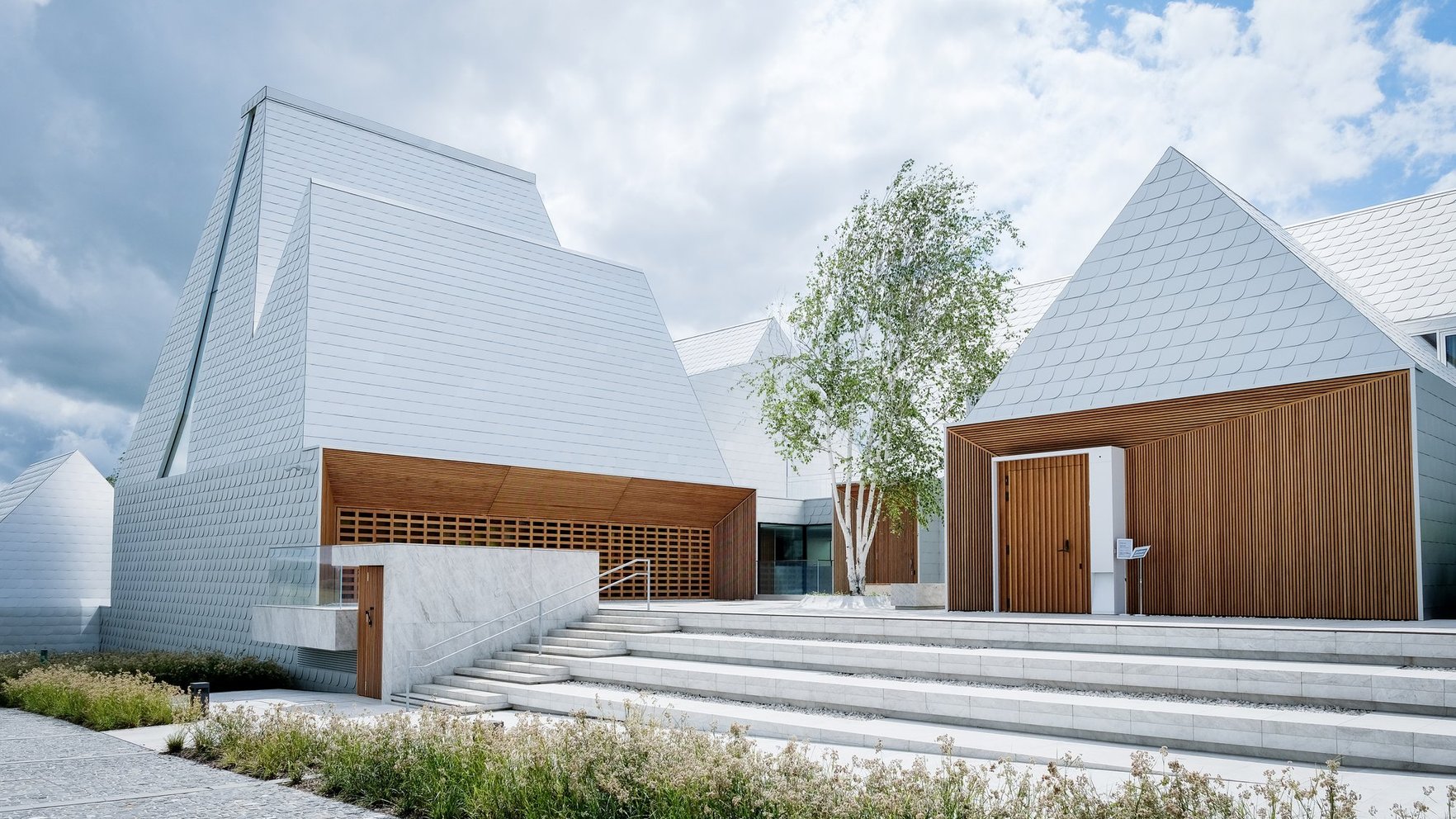
To enter the museum "The Lost Shtetl" ("Dingęs šteltas"), which opened last year in the small Lithuanian town of Šeduva, visitors must open very heavy doors. This in a way prepares them for what lies ahead — the museum's story is not an easy one. As the largest Jewish history museum in the Baltics, it features a modern and impressive exhibition that simultaneously offers an emotionally heavy experience about the tragedy of Lithuanian Jews during World War II.
Šeduva is relatively close to Latvia, located between Šiauliai and Panevėžys, about 160 kilometers from Riga. At the edge of this unassuming small town, white museum buildings with a surrounding park unexpectedly appear.
Before World War II, Lithuania was home to more than 200 Jewish shtetls, where Jews and Lithuanians lived side by side for centuries. In these shtetls, the Jewish population often made up 20 to 70 percent of the total inhabitants. This coexistence ended in 1941 following the invasion of Nazi Germany.