Sexual Deepfakes Have Targeted 50 Members of the European Parliament
Data from a German think tank shows 50 MEPs have been victims of sexually explicit deepfakes, 46 of them women. Austrian Green MEP Lena Schilling and a German colleague are urging enforcement of the EU ban on such AI apps.

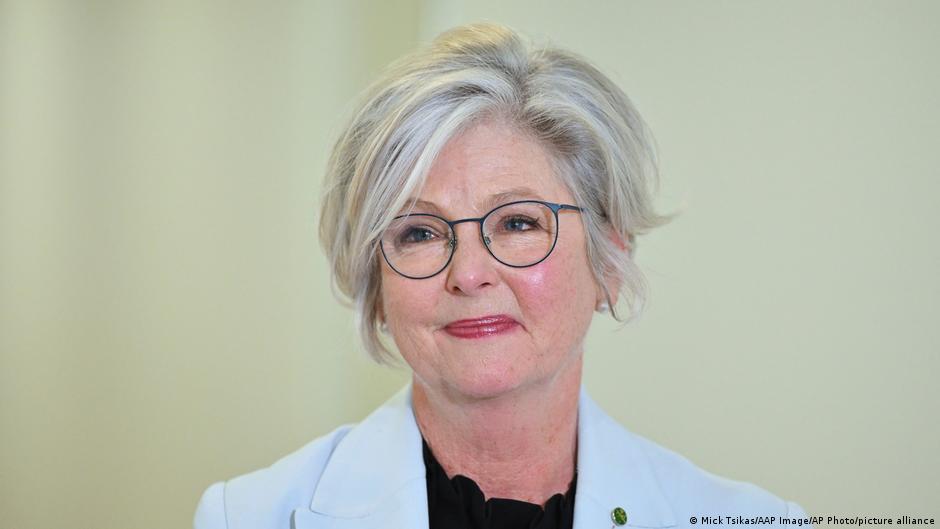
Lena Schilling, a member of the European Parliament for Austria's Green party, is one of 50 MEPs who have fallen victim to sexually explicit deepfakes. Deepfakes are fabricated images or videos created with artificial intelligence. Data from the German think tank Agora Digitale Transformation shows that 46 of those affected are women, which it describes as a systemic problem that particularly endangers women entering politics in European countries.
Schilling's experience
Last month Schilling discovered that fake nude images of her were circulating online, built from pictures taken at one of her first press conferences. In an interview with The Guardian she said she felt disgusted. She recalled how nervous she had been and how much she had prepared for that press conference, so it was very hard to accept that someone was using the photo to hurt and humiliate her.
A wider problem
An earlier study identified 138 such cases across 22 EU member states. It stressed that women become victims of pornographic deepfakes 33 times more often than their male colleagues. Schilling says this makes political engagement, already difficult, harder still, and she warned of what would happen to society if more and more women disappeared from public life.
Letter on enforcement
Together with German colleague Terry Reintke, Schilling has gathered signatures from MEPs for a letter calling for the ban on certain AI uses in apps and websites to be supplemented with mechanisms that would hold offenders accountable. The ban is due to take effect across the European Union on 2 December. The letter says a ban that exists only on paper will protect no one until it is enforced. It specifically mentions apps that let users digitally "undress" women in photos with a single click.
According to Schilling, the initiative aims to pressure EU member states' authorities to close the legal loopholes that allow such apps to operate in the European Union. She stressed that this must not become the new normal.