Semaglutide Popularity Leads to Surge in Poison Control Calls
Following FDA approval of semaglutide (Ozempic and Wegovy) for weight management, US poison control centers saw a dramatic rise in calls, mostly due to dosing errors.
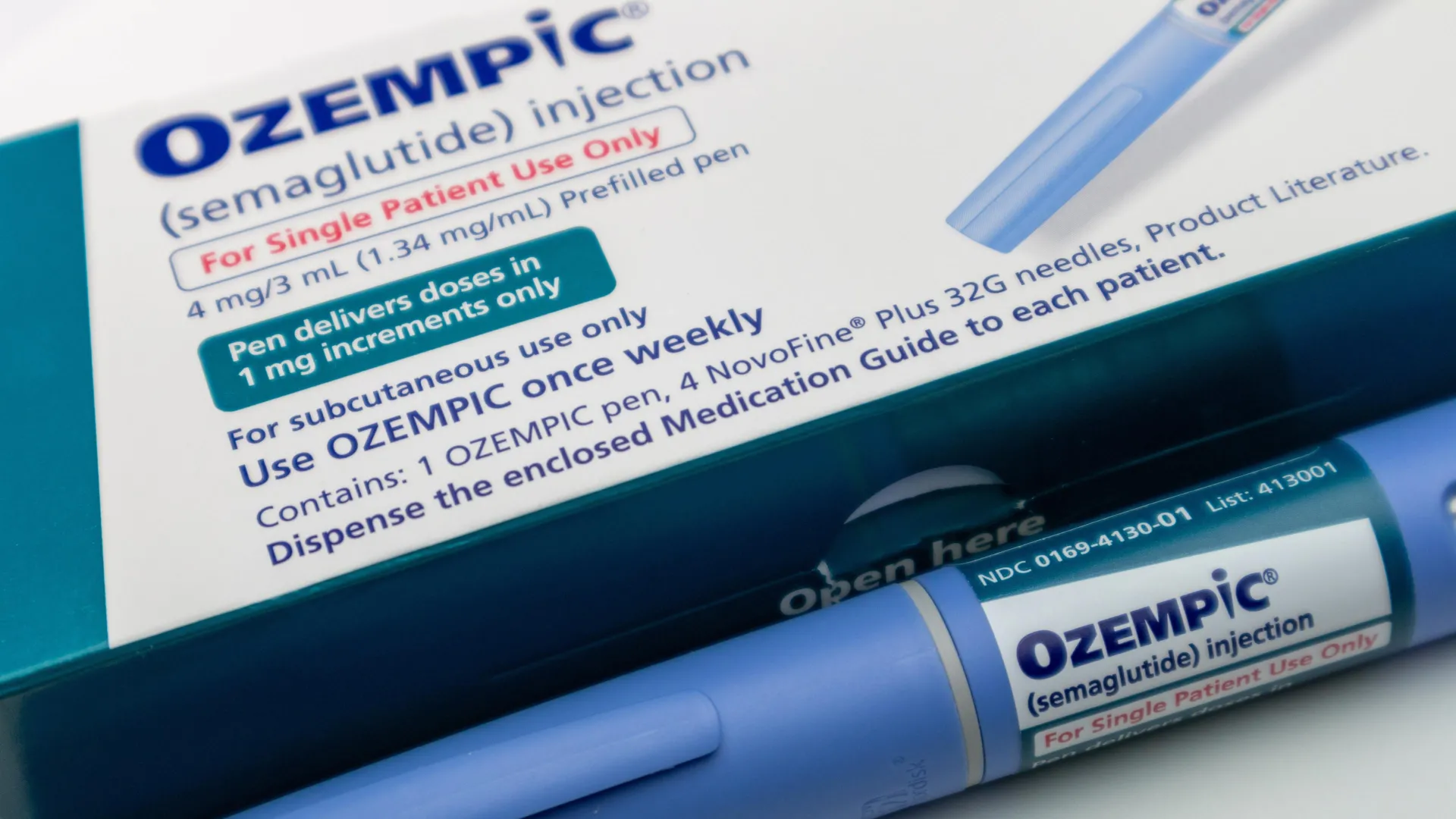
A study by researchers at the University of Texas at San Antonio has uncovered a concerning trend: since the FDA approved semaglutide for chronic weight management in 2021, calls to poison control centers across the United States have increased sharply.
Before 2021, poison centers nationwide typically handled between 1,000 and 1,500 GLP-1 receptor agonist-related cases each year. After mid-2021, that number nearly doubled, and by 2023 centers had recorded more than 8,000 such calls. While most incidents involved accidental dosing or therapeutic mistakes rather than intentional misuse, the magnitude of the increase surprised the research team.
Semaglutide, known as Ozempic and Wegovy, was originally developed for type 2 diabetes. Its popularity soared after the FDA expanded its approval to include weight management. Lead author Jordan Miller, then an undergraduate student, worked with mentor David Han and other researchers to analyze national poison control data. The findings were published in the Journal of Medical Toxicology and featured as the cover story in Significance magazine.
The researchers found that many errors could have been prevented with better patient education. Semaglutide is designed to be injected once weekly, not daily, and treatment starts with a low dose that is gradually increased. The most common mistakes included taking the medication daily instead of weekly and starting with the highest dose. The team emphasizes the need for improved education at every step of the prescribing process.

/nginx/o/2025/10/07/17194845t1h6142.png)
