Student opposition wins in Serbia: what lies ahead for tens of thousands of Russians living there
The opposition Student List won Serbia's parliamentary elections decisively. Meduza examines whether the new government will impose sanctions on Russia and what that could mean for Russians who have moved to Serbia.
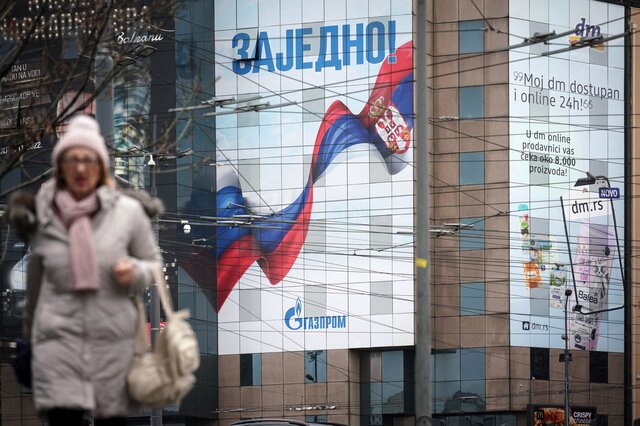
The opposition Student List won a decisive victory in Serbia's parliamentary elections last Sunday. Former President Aleksandar Vučić, who leads the Serbian Progressive Party, conceded defeat and said the new government would soon impose sanctions on Russia. The independent outlet Meduza assesses how well-founded this prediction is and what may await the tens of thousands of Russians who have relocated to Serbia in recent years.
Vučić congratulated the students but claimed they were acting in the interests of European countries and the American "deep state." He predicted sanctions would arrive by March or April, since the European Union (EU) has had them in place since the war began.
Sympathy in Brussels, but also objections
Brussels views the Student List as an acceptable partner. European Commission President Ursula von der Leyen and European Council President António Costa congratulated the winners and pledged to support reforms on the rule of law, media freedom and the fight against corruption.
Still, the EU has already voiced displeasure with Serbia's lenient approach toward Russians. They can currently enter without a visa for up to 30 days, obtain residence permits and apply for citizenship. About 2,000 Russians have become Serbian citizens since the start of 2022. According to Radio Free Europe, more than 300 of them received passports through an expedited procedure by May this year. The European Commission believes this creates security risks, as the new citizens include people targeted by EU, U.S. or Ukrainian sanctions.
Brussels is also unhappy that Belgrade has not joined EU sanctions against Russia.
What the students will do
The Student List platform says it wants to deepen cooperation with the EU and carry out the reforms needed for integration, while preserving a "traditional partnership with the Russian Federation" and not imposing restrictive measures on it. The students have not spoken out against Russians who moved to Serbia. Any resentment is more likely tied to rising rents in Belgrade and Novi Sad, though they plan to address this through tighter real estate regulation.
Serbia may eventually introduce visa requirements for Russians and restrict the expedited citizenship process, but the timing and likelihood are hard to predict. A government has yet to be formed, and a presidential election is due in December. The new cabinet's priorities are fighting corruption, reforming the justice system and ensuring media freedom.
The government will most likely resist sanctions on Russia, as Vučić did, because they would jeopardize discounted Russian gas supplies, which cover up to 90% of Serbia's gas needs.