Unaccompanied minors on Ceuta's streets face rising abuse risk
Thousands of unaccompanied minors are living on the streets of the Spanish enclave Ceuta after a mass border crossing in July, with authorities reporting a sharp rise in sexual assault cases. Local officials are urging Madrid for more support and the transfer of children to the mainland.
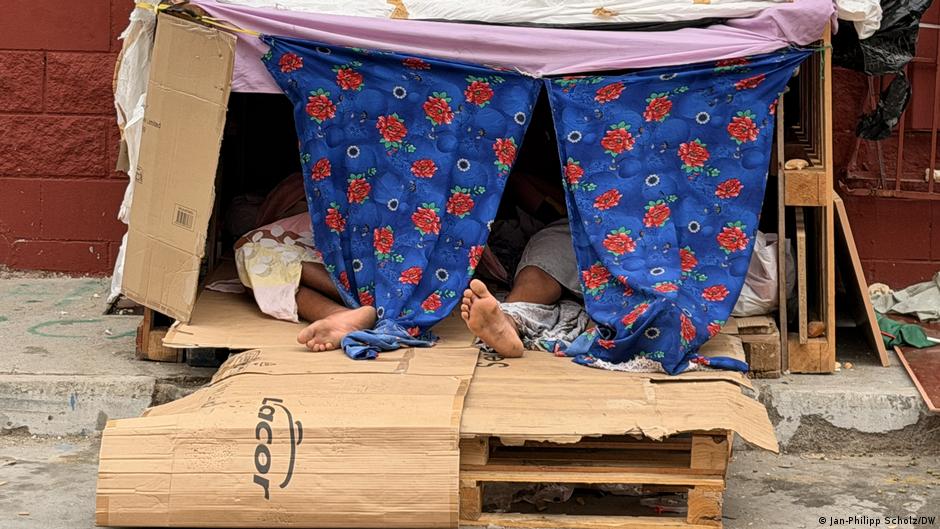
In the Spanish enclave of Ceuta, on Africa's northern coast, a severe humanitarian situation has developed. At the Tarajal industrial park, once used by truck drivers, makeshift tents and cardboard shelters now house mostly children and teenagers. Estimates suggest between 3,000 and 5,000 unaccompanied minors may currently be in Ceuta, as reception centers are already overcrowded.
Around 80,000 people crossed into Spain from Morocco in a mass border crossing in late July. While most have since moved on from Ceuta, roughly 9,000 people remain, many of them minors. A 14-year-old Moroccan girl described the lack of toilets as one of the worst problems, saying she is too afraid to go into the bushes alone.
Another woman, traveling with her four children, said she had worked as a cleaner in Morocco earning about €7 a day, not enough to support her family, especially with school approaching and no money for books or clothing. She joined the crossing after seeing it discussed on social media but now feels lost, unable to find medical help when one of her children ran a fever. She is especially worried about her 12- and 14-year-old daughters, as sexual assault cases have surged in the past week — police are investigating at least 15 suspected rapes, with the real number believed to be higher.
Girls particularly at risk
A doctor at Ceuta University Hospital said she has treated several young girls recently, including a terrified 12-year-old who was harassed by other migrants and rescued by a woman who found her on the street. The doctor noted that girls under 18 face particular danger, worsened by a major gender imbalance among migrants.
Local officials, including the regional minister for health and social affairs, have called for more police to protect young women and the wider population, describing the situation as the worst in Ceuta's history. Ceuta's president said capacity for minors has been exceeded by 5,000%, making adequate care impossible. Spain's government has announced plans to transfer unaccompanied minors to the mainland, though no timeline has been set, and several regions governed with the far-right Vox party have refused to accept migrants. Ceuta's president said children should ideally be reunited with their families or handed to Moroccan social services.