Woman Who Moved from Riga to Russia Complains of Problems with Passport, Job and Pension
Galina Uvarova, 61, moved from Latvia to Russia's Leningrad Region in 2024 and says her hopes have not been met. She points to a delayed passport, a lost job and a refused pension.
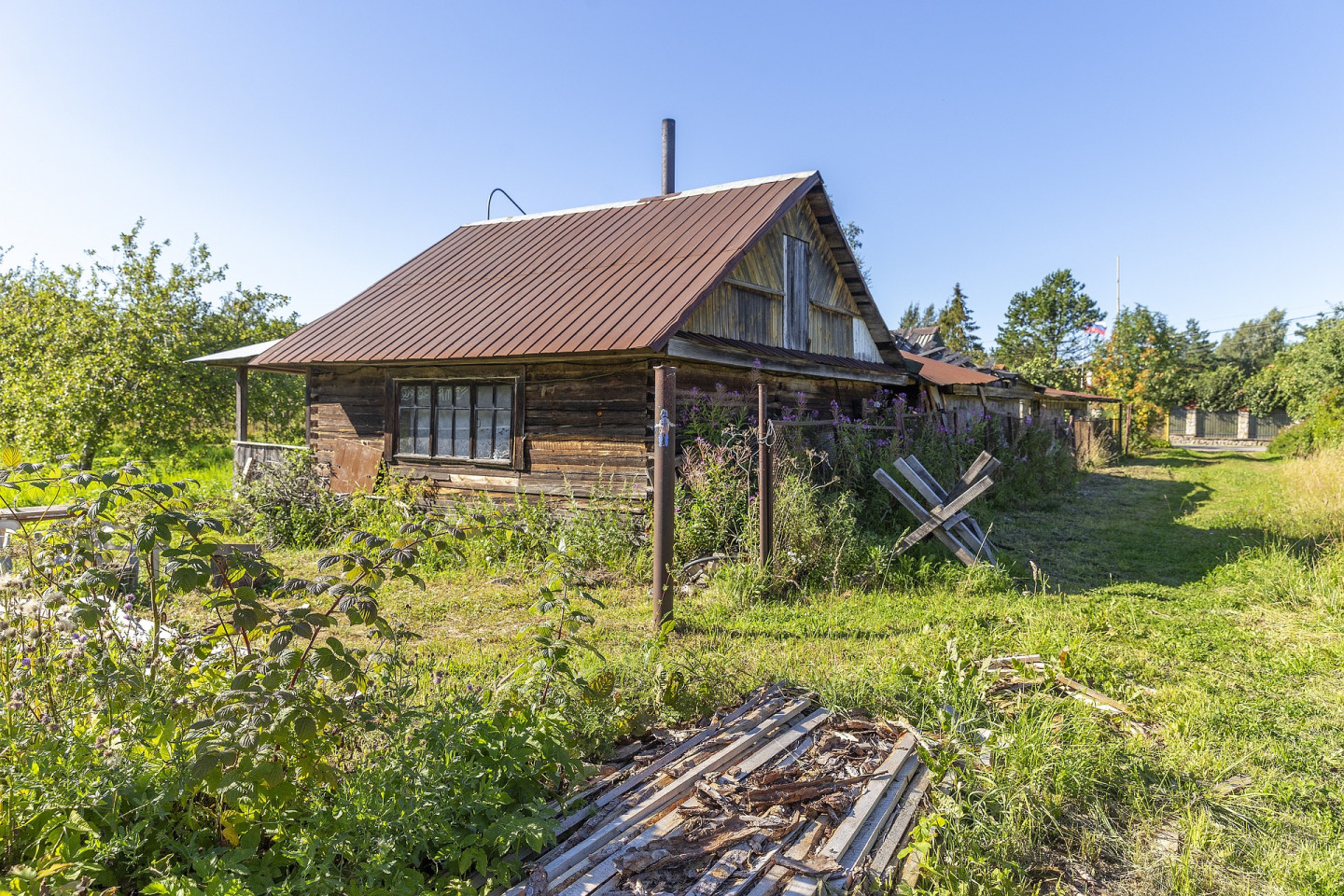
Galina Uvarova, a 61-year-old woman from Riga, moved in 2024 to Russia's Leningrad Region under a Russian state programme for resettling compatriots. She now says in an interview with the Russian outlet "47news" that her hopes for a better life have not come true. The interview was also covered by the Russian media outlet "Sota".
Why she left
Uvarova says that in Latvia Russian speakers spent years fighting for the right to speak Russian and to educate their children in it. She herself watched Russian television online, although this is banned in Latvia. In the end she decided to move, hoping such problems would not exist in Russia.
Passport, work and pension
According to her account, she received a Russian passport only after complaining to the prosecutor's office and to the presidential reception office. The Interior Ministry lost her document for more than two months.
Uvarova searched for work for almost five months before becoming head of an international freight department. After her husband died she travelled briefly to Riga, and on her return learned that her employer had dismissed her "at her own request".
She was refused a pension at the age of 61. The Russian Pension Fund reportedly counted only one of her three children, the eldest daughter, who was born in Soviet times. Her two younger children, born in Latvia after 1 January 1991, were not counted. Because she lacks sufficient work history, her pension will have to be recalculated after additional time worked.
Current situation
Uvarova now rents a flat on the border of St Petersburg and the Leningrad Region with her 18-year-old daughter. The daughter studies at a medical college on a student visa. According to her mother, she had also wanted Russian citizenship but changed her mind after seeing her mother's experience.
"We believe what the country's leaders say, we arrive and face the opposite effect," "Sota" quotes Uvarova as saying.