Silenieks: State Procurement Should Require Fuel Stations to Operate Without Grid Power
Viesturs Silenieks, chairman of the association Drone Force – Europe, suggests adding a backup generator requirement to Latvian public procurement terms for fuel stations. He argues this would keep fuel available in a crisis without extra state funding.
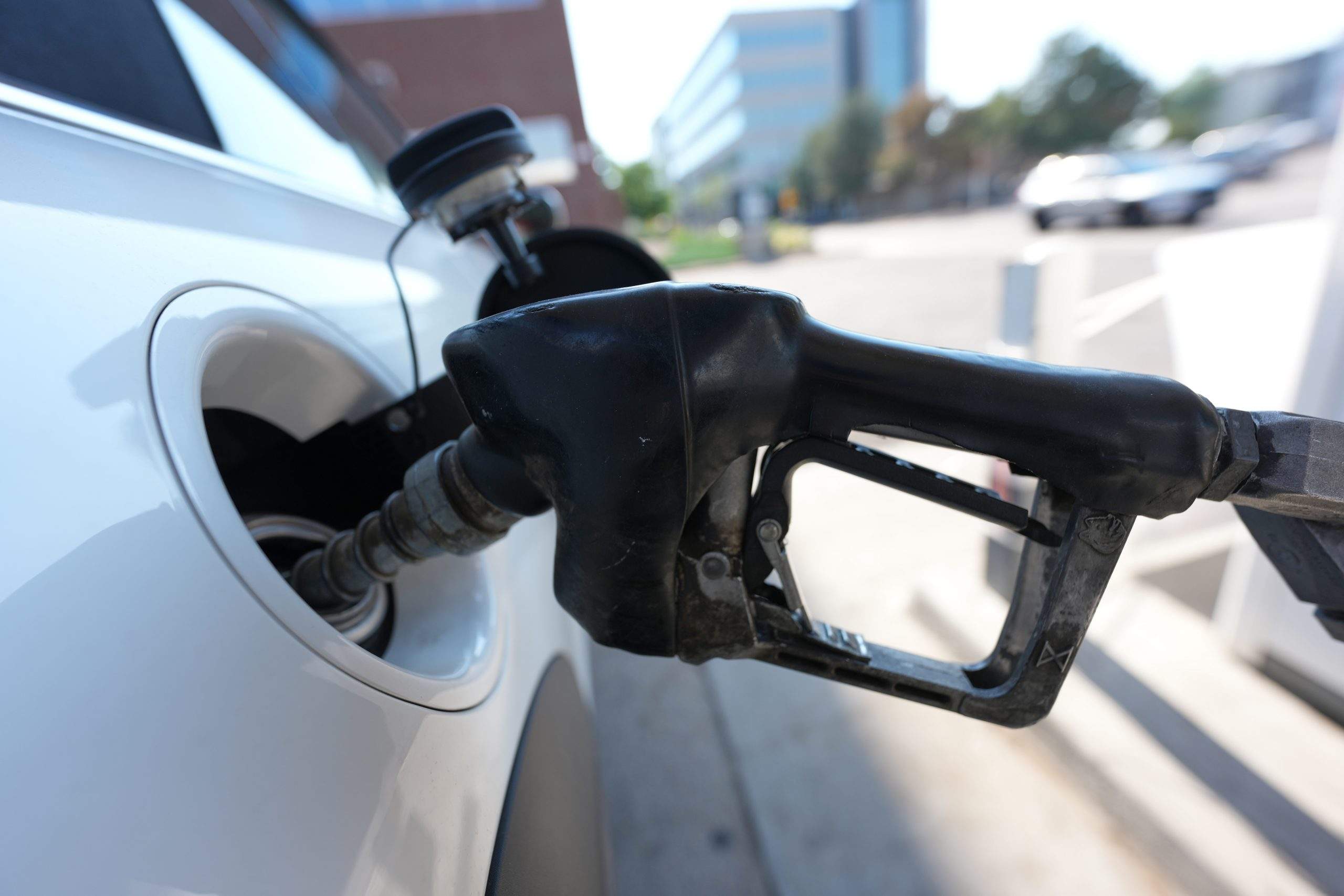
Fuel stations in Latvia should be able to keep working during a crisis even if the power supply is disrupted, said Viesturs Silenieks, chairman of the board of the association Drone Force – Europe, on the TV24 programme “Preses klubs”. He proposes writing a generator requirement into public procurement conditions, with companies buying the equipment themselves.
Why the stations matter
Silenieks noted that fuel reserves are among the state's strategically important reserves. If supplies are cut and traders can no longer provide fuel in the usual way, the reserves can be redirected to fuel stations. Fuel availability matters not only to private drivers but also to emergency medical services, rescuers, the army and the economy as a whole.
Costs and conditions
On generator costs, Silenieks referred to what he had seen in Ukraine: keeping a station running does not always require a large, expensive unit. In some cases a relatively small capacity is enough to power lighting, fuel pumps and customer payments. An internet connection is also needed.
He suggests a procurement criterion that a given station network must be available 24 hours a day, even during power disruptions. “One criterion should be put into state procurements: that fuel stations must be available 24 hours,” he said.
In Silenieks's view, the requirement should apply not to all stations but to a particular network. Companies would have to take care of the equipment themselves, or they would lose out in tenders. “If you don't buy it, you'll be out of the competition. Someone else will take part who is smarter and has installed it,” he explained.
Silenieks believes such companies would buy the equipment on their own, without asking for additional state money. He was critical of the approach in which companies first wait for state support to ensure their services keep running.