Silicon carbon batteries promise longer phone runtimes, but shorter lifespans
Smartphones are increasingly adopting silicon carbon batteries, which offer significantly higher capacity and faster charging, but may have a shorter lifespan than traditional lithium-ion cells.
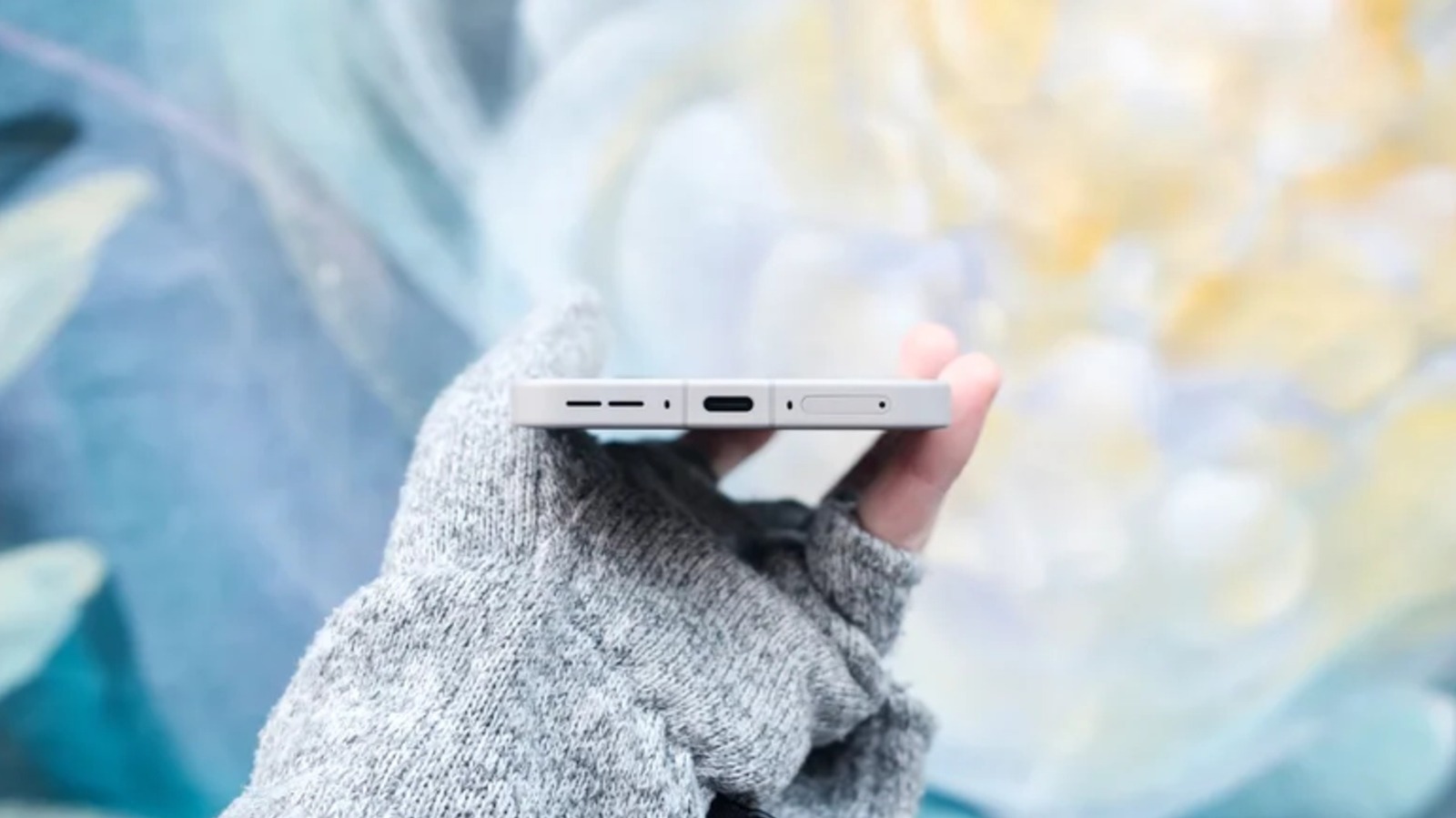
Silicon carbon batteries are moving from Chinese flagships to a wider market, with Samsung adopting the technology in the Galaxy Z Fold 8 and 8 Ultra. The cells can hold more energy than conventional lithium-ion batteries, allowing some phones to offer two full days of use on a single charge. But the technology comes with a catch: a shorter overall battery lifespan.
Why silicon is key
In a typical lithium-ion battery, energy storage capacity is limited by the graphite anode. Silicon has roughly ten times the capacity by weight, making it an attractive replacement or additive. However, silicon carbon batteries do not abandon traditional design entirely. They still use a lithium-based cathode and a graphite-heavy anode with a small percentage of silicon carbon mixed in. Samsung itself continues to describe the cells in its latest foldables as lithium-ion.
Faster charging, bigger capacity
The benefits are clear. Higher capacity means phone batteries can grow in total energy without making handsets thicker. For example, the OnePlus 15 is only a millimeter or two thicker than an iPhone 17, yet its 7,300mAh battery lasted 38.5 hours in Engadget's rundown test. Silicon also supports faster charging, because lithium ions can move into silicon more quickly than between graphite layers. Another advantage is cost and availability: silicon is abundant and cheap, reducing dependence on materials with complex supply chains.
Shorter lifespan
The main drawback is degradation. During charging, materials expand as lithium ions are inserted. Graphite grows by around 10%, while silicon expands by as much as 400%. That mechanical stress takes a toll over time. Samsung's EU regulatory filings reportedly say the new battery cells are rated for 1,200 charge cycles, down from 2,000 for the previous generation.
Experts say the technology is still improving. Manufacturers are looking for a balance between energy density and longevity, experimenting with production techniques and additives such as fluorophosphates to stabilize performance. Tesla has already used small amounts of silicon in some nickel-cobalt-aluminum batteries since at least 2016. For now, smartphones are a natural first step because the unit cost of a phone battery is relatively low, and many users replace their devices every few years anyway. A battery that lasts two days per charge may also mean fewer charging cycles overall, which could offset some of the lifespan concerns.