Cutting Silage Waste This Winter: Advice for Livestock Farmers
Irish farming news site AgriLand notes that silage will dominate cattle diets as the grazing season ends, and outlines how to limit spoilage and waste over winter.

Irish agricultural news site AgriLand says silage will become the main part of cattle diets as the grazing season ends, whether or not cows are housed indoors. For livestock farmers, this means handling fodder reserves carefully, since it is unclear how the spring will turn out.
A good late-season period helped build up fodder stocks, but in some cases this year's silage was cut in less than ideal conditions. Most of it was made in dry weather, yet mould may develop in some areas and end up as waste. This cannot always be avoided, so correct management of the silage pit is essential.
Managing the pit
If fresh grass is still available, any silage fed alongside it should preferably come from bales rather than from an opened pit. Once a pit is open, the exposed face should be used within one week, otherwise spoilage increases. Even when silage is the main fodder, wide pits often suffer more spoilage because an average herd struggles to get through the exposed face in a week.
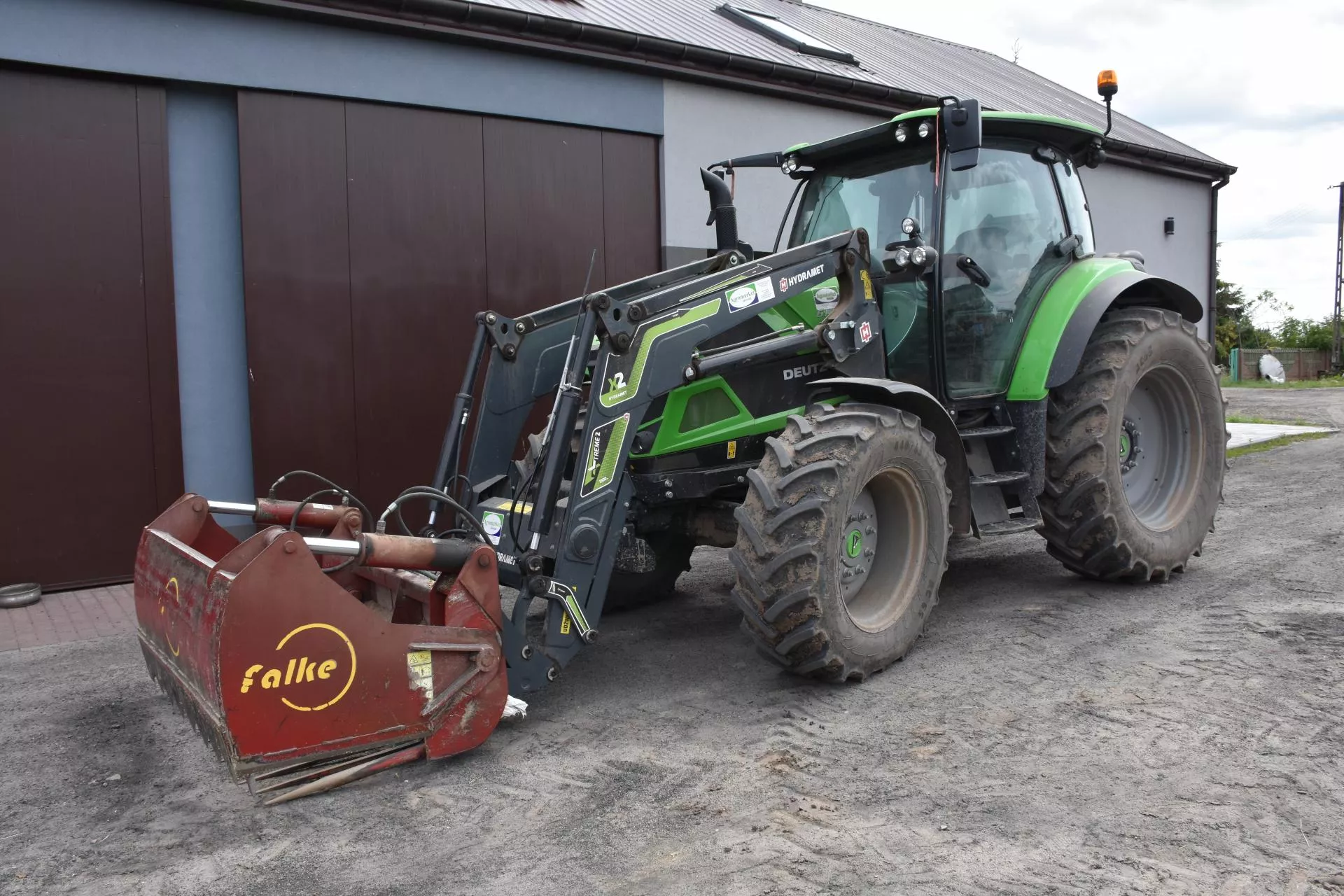
The shear grab is also important. A sharp one keeps the pit face compact and sealed, while a blunt one leaves an uneven face and pulls silage out instead of slicing it. This lets air move through the pit and causes spoilage. The plastic should be opened only a little at a time, as exposing too much leads to over-exposure and spoilage.
Spoiled fodder
Mouldy silage should not be fed to young stock or dairy cows, as it lowers feeding value and harms animal health. It can cause mycotoxicosis, which is hard to spot in the dry period. Signs include reduced milk production, higher somatic cell count (SCC), mastitis, fertility problems and diarrhoea.
Some farmers give poorer silage to young stock, but these animals are more prone to listeriosis. The disease is caused by Listeria monocytogenes bacteria and is zoonotic, meaning it can spread to humans. It can cause abortion, eye infection and brain disease. For this reason, silage should be tested regularly throughout winter to determine its mycotoxin load.