SKDS poll: party supporters sharply divided over Latvia's support for Ukraine
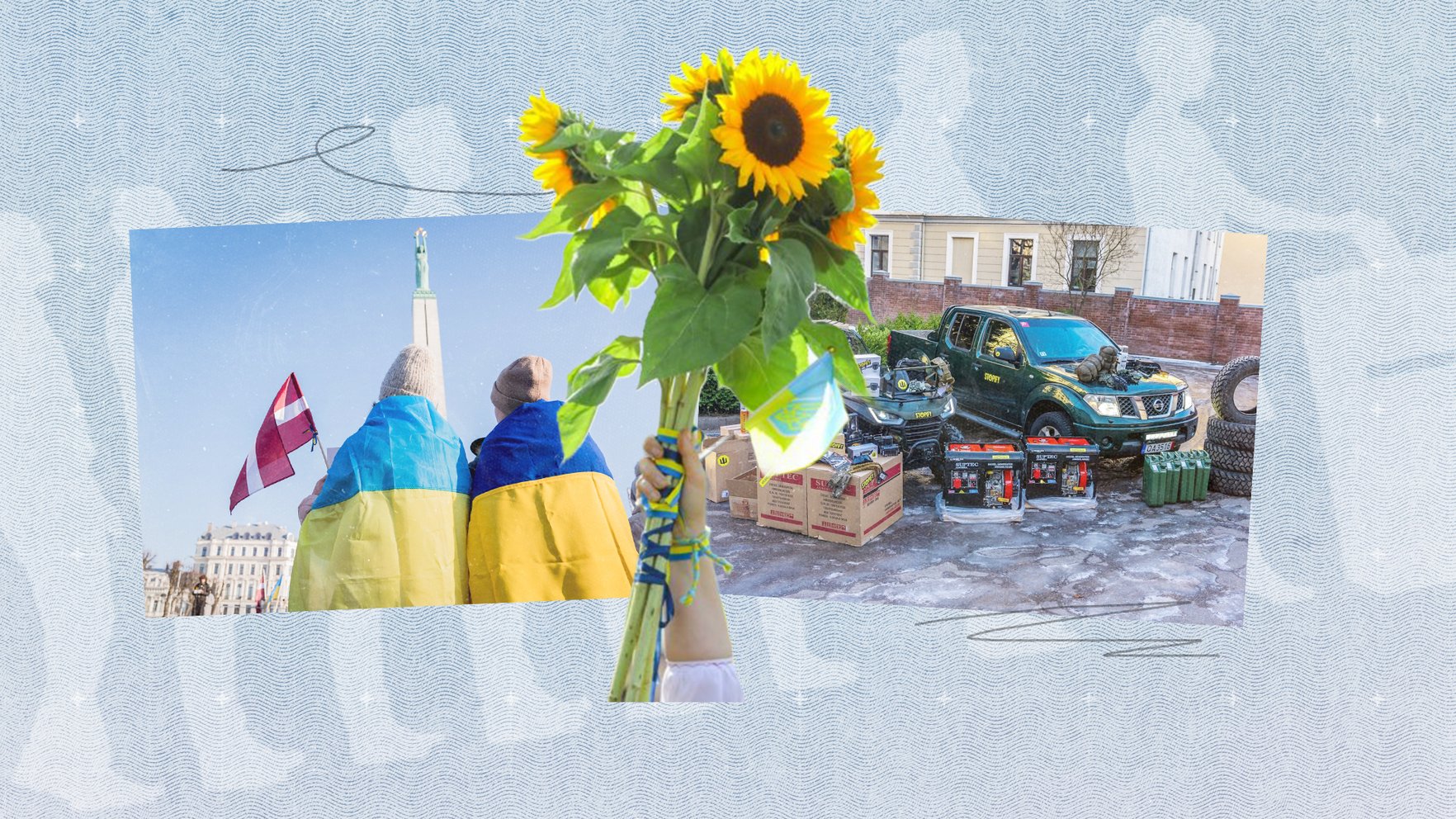
A survey commissioned by news portal Delfi shows Latvians' views on aid to Ukraine split strongly along party lines, with some prospective voters wanting more support and others wanting it stopped entirely.
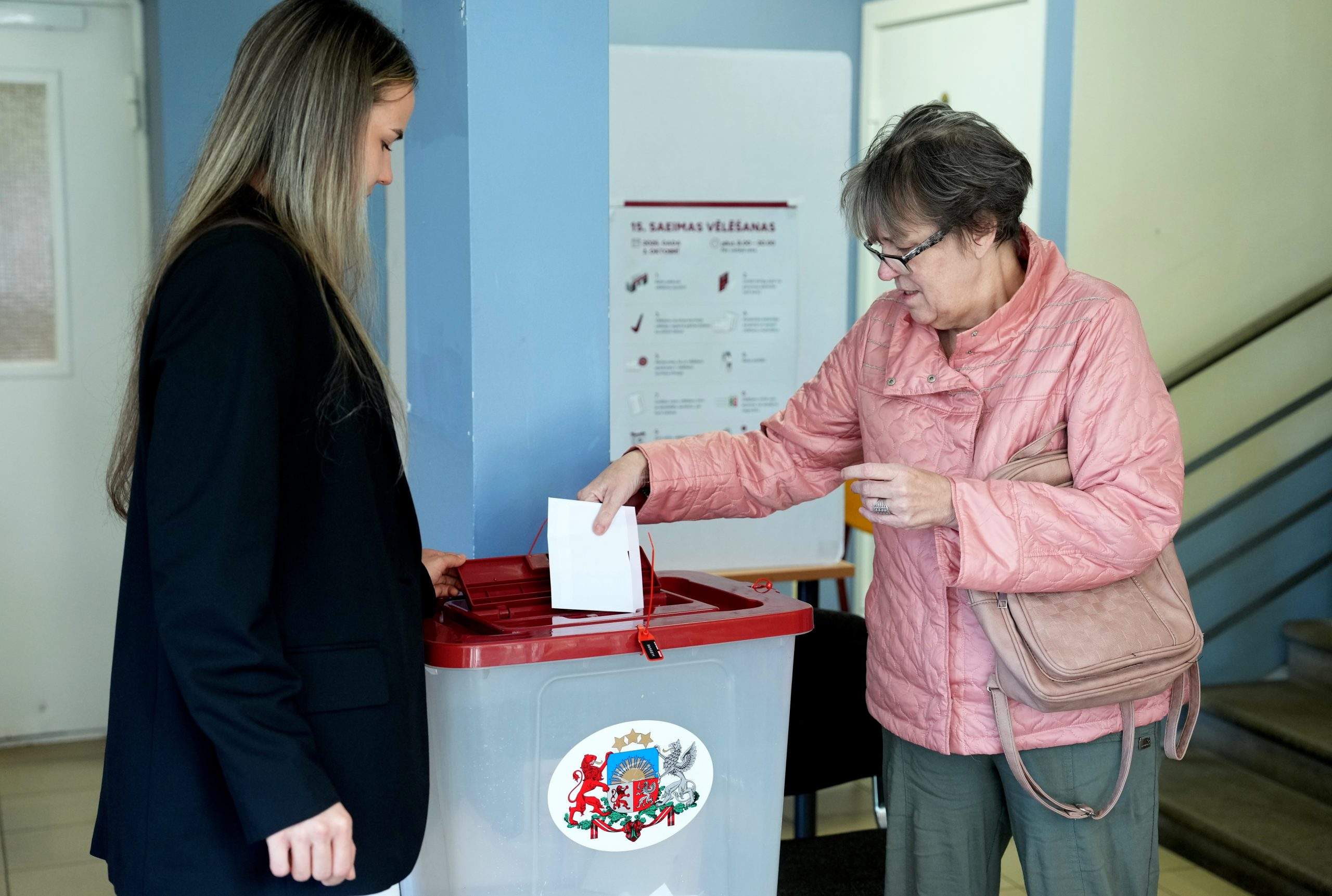
Ahead of the 15th Saeima election on October 3, news portal Delfi commissioned research company SKDS to survey public attitudes toward Latvia's support for Ukraine. The survey involved 1,205 permanent residents of Latvia aged 18 to 75, conducted between July 10 and 15.
Asked whether Latvia should continue its current political, military and humanitarian support for Ukraine, the largest share of respondents, 35.4%, said support should stay at the current level, while 23.3% said it should be stopped entirely.
Stark differences between party supporters
The results reveal sharp divides depending on which party respondents plan to vote for. Among supporters of the New Unity party, 39.2% believe support for Ukraine should be increased. Progressives' supporters lean similarly, with 32.9% favoring an increase and nearly half, 49.6%, wanting the current level maintained.
Other parties' supporters take a very different view. Among supporters of the Stability! party, 74.1% believe support for Ukraine should be stopped entirely. The figure is even higher among supporters of Sovereign Power/United New Latvians, at 70.4%. Among supporters of Latvia First, 34.9% want support ended completely, while 34.6% want it reduced.
Differences by gender, age and ethnicity
Both men and women most commonly favor keeping support at the current level, at 36.7% and 34.2% respectively. However, women are more likely than men to favor ending support entirely, 25.5% versus 20.7%.
Young people aged 18 to 24 most often support maintaining the current level (49.8%) or increasing it (29.8%). Respondents aged 55 to 64, meanwhile, are most likely to favor ending support entirely, at 36.2%.
Among respondents who identified their ethnicity as Latvian, 44.3% most commonly want to maintain the current level of support, while among those who identified another ethnicity, the largest share, 42.4%, believe support should be stopped entirely.