SKDS survey: a year after smoke-free product bans, some users shifted to the illegal market
An expert discussion on September 16 will present a new SKDS survey on public attitudes toward tobacco and nicotine products a year after broad restrictions took effect. The poll shows some users turned to the illegal market or foreign purchases, while only a small share quit entirely.
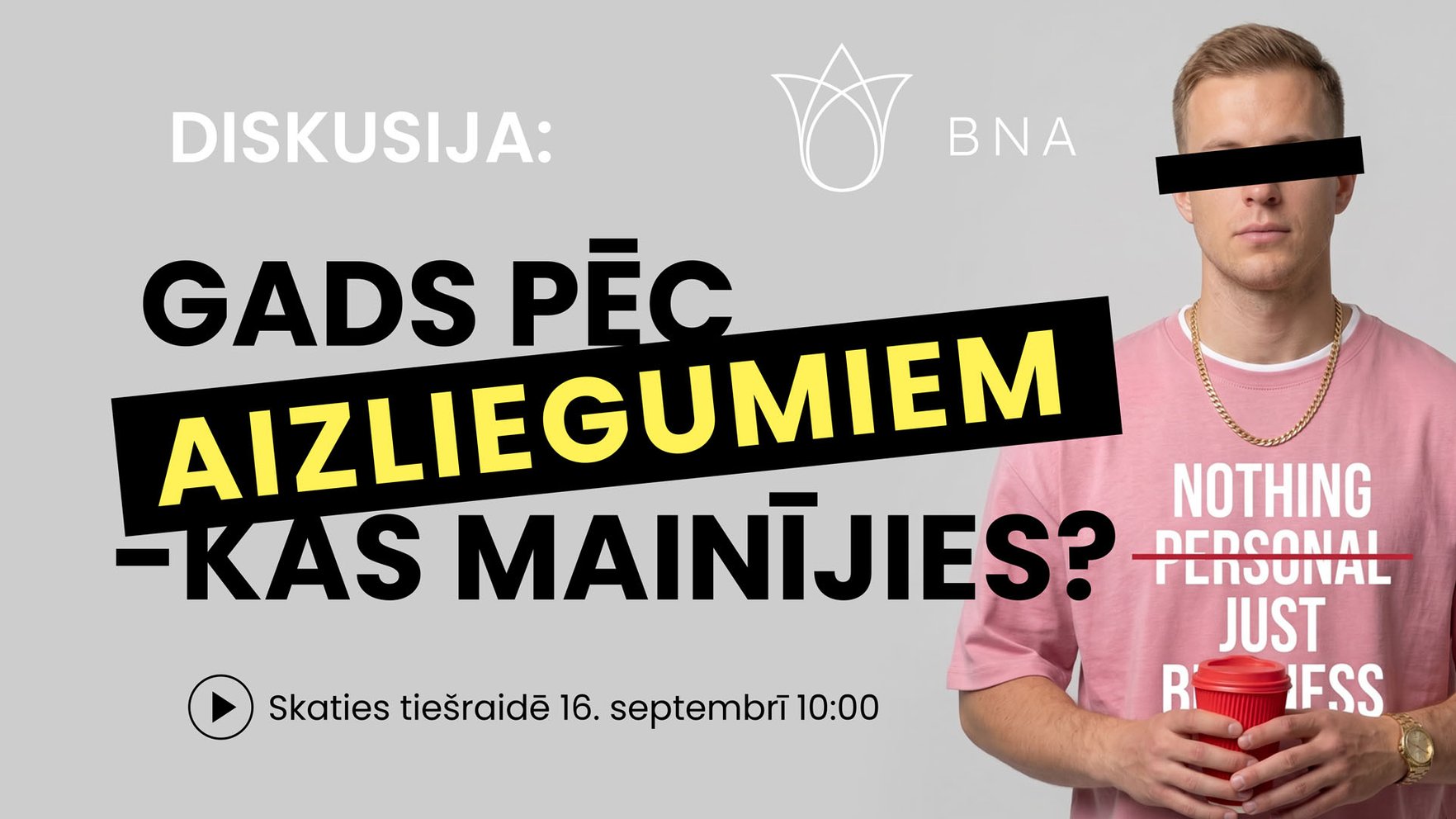
On September 16 at 10:00, an online expert discussion titled "A year after the bans in the smoke-free industry — what has changed?" will be streamed live in the "Tiešraides" section of delfi.lv. The event will present the latest SKDS survey on how Latvian residents view tobacco and nicotine products, as well as the impact of restrictions and bans introduced a year earlier.
Survey findings
According to SKDS data, 31% of Latvian residents aged 20 to 75 use some form of tobacco or nicotine product. Traditional cigarettes remain the most popular, used by 20% of all respondents — nearly two-thirds of those who use any such products. E-cigarettes are used by 9% of respondents, heated tobacco by 4%, nicotine pouches by 2%, and other nicotine products by another 2%. Meanwhile, 68% of the public said they do not use nicotine products at all.
Asked about the most effective way to reduce tobacco-related harm, 69% of respondents favored public education over product bans. Nearly half of those surveyed (48%) said the state should support a harm-reduction approach for people who cannot or do not want to quit smoking, giving them the option to switch to smoke-free products if they cannot quit entirely. The opposite view was held by 29% of respondents.
Effects since the bans took effect
Following the broad restrictions and bans on smoke-free products that took effect last year, respondents reported observing several trends among friends and acquaintances: 23% now buy these products on the illegal market, another 23% switched to other legal smoke-free products, and 20% now purchase them abroad. Some users — 9% — went back to cigarettes, considered the most harmful tobacco product, while only 3% gave up tobacco products altogether.
Detailed survey findings and conclusions will be presented and discussed during the expert panel, which will assess how effective the bans have proven in practice amid both legal and illegal trade.

/nginx/o/2026/05/26/17664900t1hb52e.jpg)
/nginx/o/2026/09/14/17916999t1hee24.jpg)