School Requires Parental Consent Before Pupils Can Eat Food Made in Class
A pupil's mother in Latvia questions why her child needs written parental permission to eat food prepared in a design and technology lesson. The State Education Quality Service says the school director is responsible for pupil safety and that schools may ask for such confirmation.
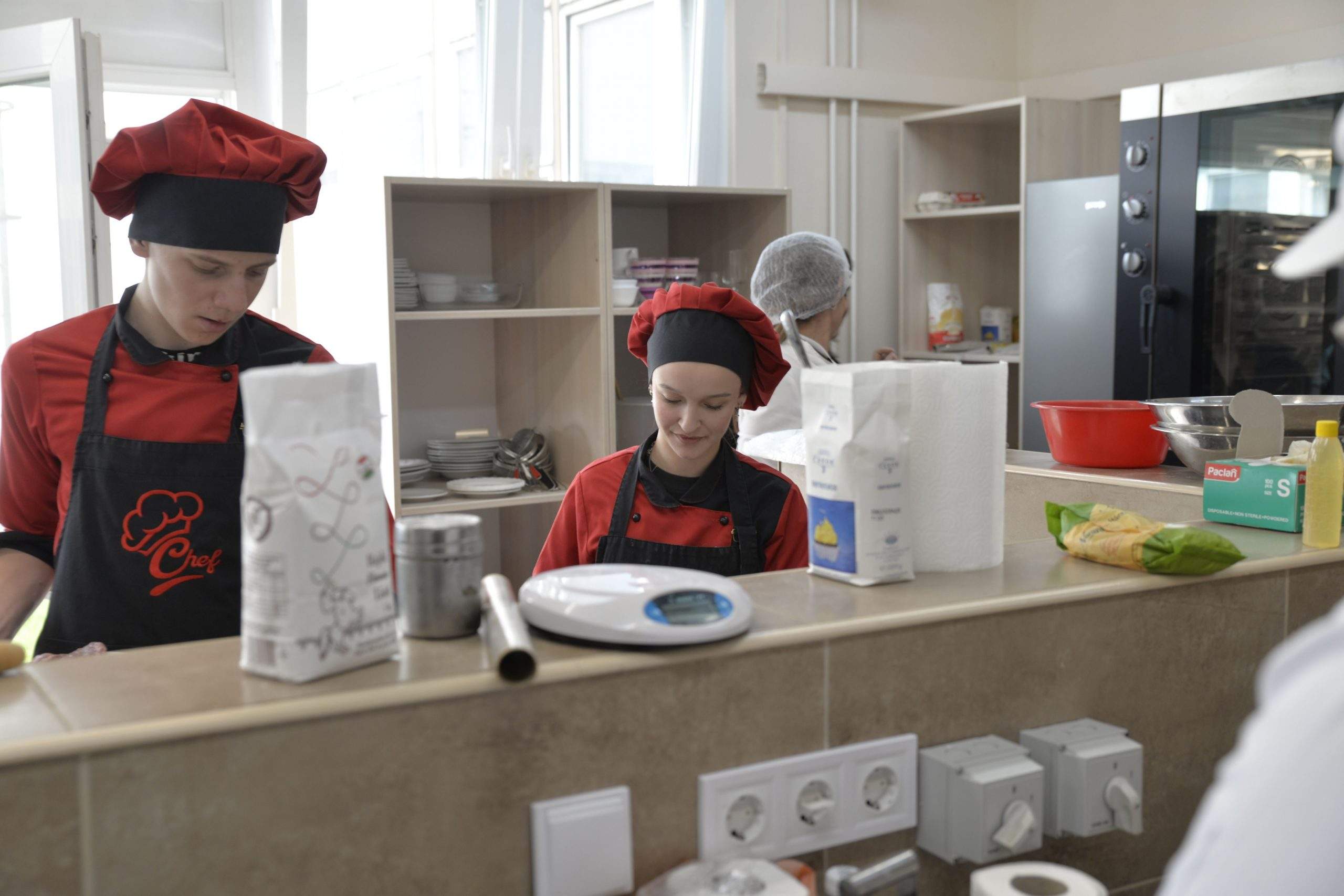
A mother of a schoolchild in Latvia has voiced bewilderment at a rule applied in design and technology lessons, which many people formerly knew as home economics. Pupils cook in these classes, but the teacher does not allow them to taste the results without written parental consent. The woman turned to the news portal LA.LV, which put the question to the State Education Quality Service, the body that oversees the quality of education in the country.
The parent's questions
The mother says such caution would be understandable for children with food allergies, intolerances, special diets or other health restrictions. What she does not understand is why written consent is required of every pupil. She wants to know whether the requirement comes from legislation or was devised by the particular school. She also asks who is responsible if a child suffers an allergic reaction or other health problem after eating food made at school: the teacher, the school, the pupils who cooked together, or the parents who gave consent.
The service's explanation
The service points out that under the Education Law, parents must inform the head of the school about a child's health and any circumstances that could significantly affect the educational process. The head, in turn, is responsible for pupils' safety and for running programmes in conditions safe for life and health. A school may therefore inform parents about the ingredients planned for cooking and, if it considers it necessary, ask them to confirm that the food will not harm their child. The school director is responsible for pupils' safety and health.
The service also cites Cabinet of Ministers Regulation No. 474 of 22 August 2023 on preventive healthcare, first aid and safety in educational institutions. It requires the director to ensure information on first aid is available, and that a medical professional or a trained staff member gives help in cases of acute illness or minor injury. Parents must be informed as soon as possible about any help provided. If a pupil has an allergic reaction or other health problem, they should approach a teacher or medical professional, and staff must see that help is provided.