Slaidiņš: Europe Must Move From Statements to Real Action on Ukraine's Security
Latvian National Armed Forces major Jānis Slaidiņš said on TV24 that Europe lacks clarity on whether it is ready to defend Ukraine militarily. He also criticised the slow pace of EU decision-making and called for firmer leadership.
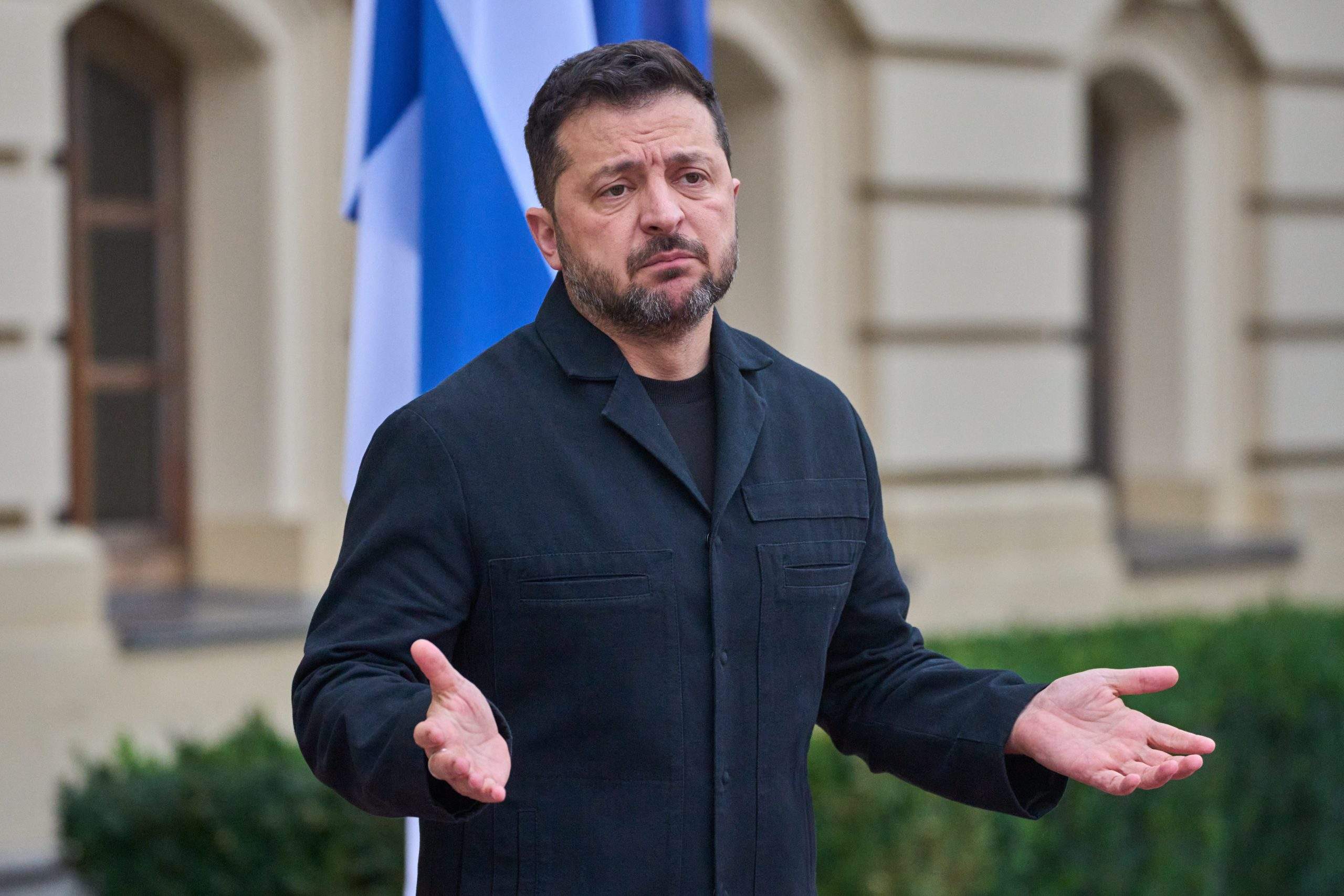
Europe must show that it is ready not only to back Ukraine politically but also to defend it in the event of a military threat. That was the assessment of Jānis Slaidiņš, a major in Latvia's National Armed Forces (NBS) and an officer of the Home Guard staff, on the TV24 programme "Aktuālais par karadarbību Ukrainā". He said that although European countries are becoming more determined and are even considering deploying Western troops in Ukraine, it remains unclear whether they would be willing to enter direct military confrontation with Russia.
The Coalition of the Willing and exercises
Slaidiņš explained that the leaders who recently met in the Coalition of the Willing discussed more than simple expressions of support. The aim was to secure uninterrupted aid for Ukraine, continue diplomatic efforts, agree on security guarantees and move from statements to concrete steps. In his words, military exercises in Poland, which tested the readiness of a possible international force to operate in Ukraine, also demonstrate Europe's resolve.
Meanwhile, at a Coalition of the Willing meeting in Berlin on 19 November, the leaders of Germany, France, the United Kingdom and Ukraine affirmed their intention to continue long-term support for Ukraine. The joint statement stressed the need for security guarantees, including European-led multinational forces that could operate on Ukrainian territory after hostilities end.
Unanswered questions
The major noted that the United States is not prepared to guarantee the direct participation of its troops in Ukraine's defence. Europeans, for their part, have not clearly said how they would respond if Russian forces attacked a Western troop contingent stationed in Ukraine. He asked whether British, French and German forces would be enough to deter the Kremlin from a new attack, and whether London, Berlin and Paris are willing to risk a direct clash with the Russian army.
EU decision-making
Slaidiņš also pointed to difficulties in EU decision-making. In his view, member states' differing interests and the effort to win unanimous agreement often slow necessary action significantly, sometimes by months. He cited the adoption of sanctions against Russia as an example, likening the EU to a collective farm where everyone wants to be the director.
Europe, he argued, needs leaders willing to take the initiative. Attention is currently focused on whether the United Kingdom, France or Germany will take on that role.


