Slaidiņš: Russia's post-Putin succession mechanism remains unclear
Latvian National Armed Forces major Jānis Slaidiņš warns that the unclear succession mechanism in Russia after Putin could echo the situation following Stalin's death. Several scenarios are possible, ranging from a smooth transfer of power to a struggle among elite factions.
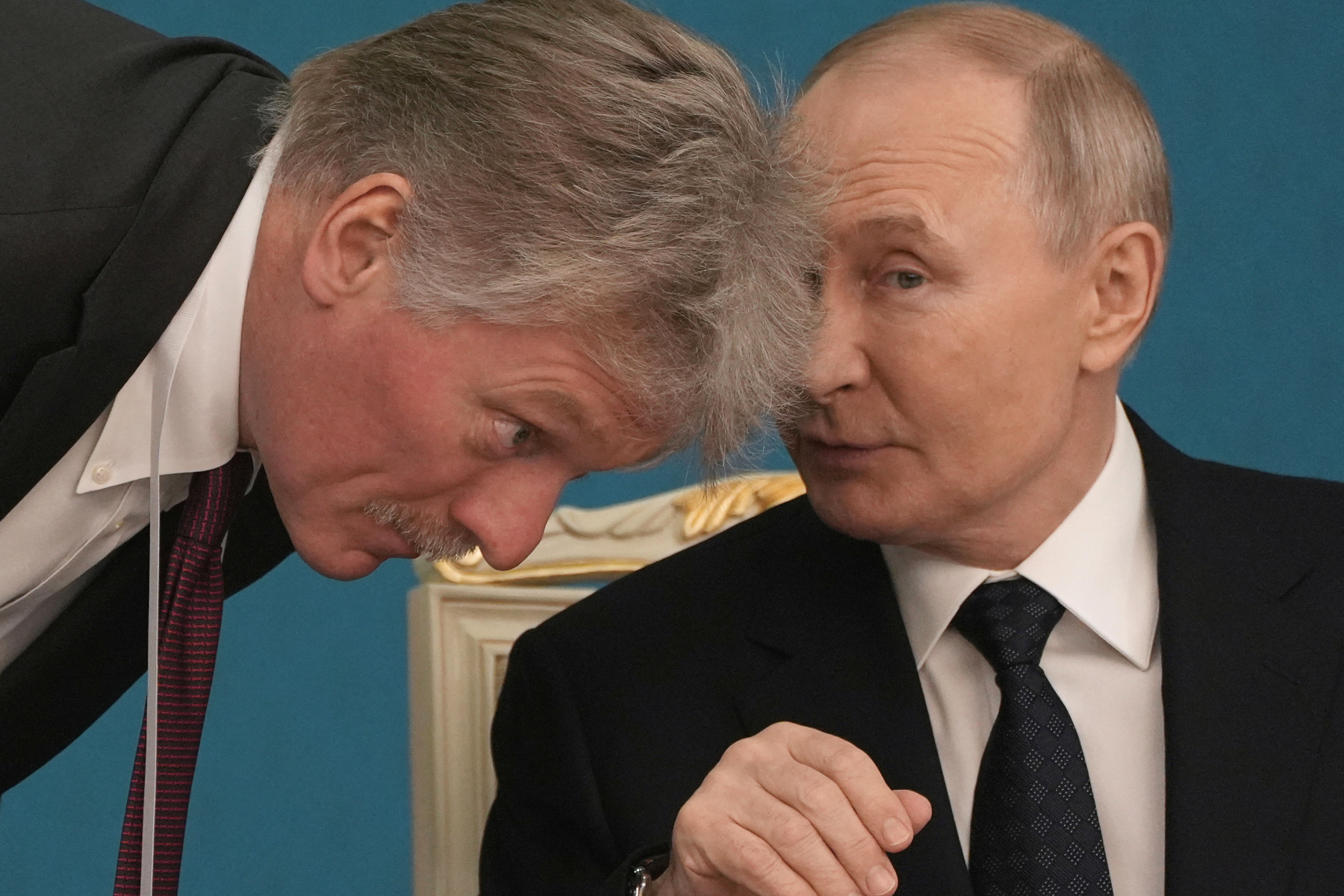
National Armed Forces major and National Guard staff officer Jānis Slaidiņš said on the TV24 programme "Aktuālais par karadarbību Ukrainā" that the personalistic system of power built by Vladimir Putin in Russia leaves open questions about what would happen to the country after his departure from office.
According to Slaidiņš, Putin has concentrated power heavily in his own hands, but no publicly known mechanism exists for transferring that power should he suddenly become unable to carry out his presidential duties — whether due to resignation, forced removal, illness or death.
Possible scenarios
Slaidiņš said that in such circumstances a struggle for influence could break out among various factions within Russia's elite. He outlined several possible developments, ranging from a relatively quick and orderly transfer of power to a chaotic confrontation between competing elite figures. Another possibility he raised is that the current system could simply persist, with the country drifting further toward gerontocracy — a system in which power largely rests with older individuals. Slaidiņš noted that Russia's current ruling elite already consists largely of people who have held power for a long time.
In his view, Putin's departure alone would not automatically trigger change; the system could continue functioning if power passed to someone from within the existing elite.
Parallels with 1953
Slaidiņš stressed that this kind of uncertainty over succession is nothing new in Russian history. A similar situation arose after Joseph Stalin's death in 1953, when no clear successor had been designated in advance. What followed was a struggle for influence among several figures within the Soviet Union's power elite, with authority not automatically passing to any single pre-chosen candidate.