Slovenia Stops Issuing Tourist Visas to Russian Citizens
Slovenian visa centers in Russia and its embassy in Serbia have stopped accepting tourist, student and work visa applications from Russians. The rules were published with no explanation and no end date.
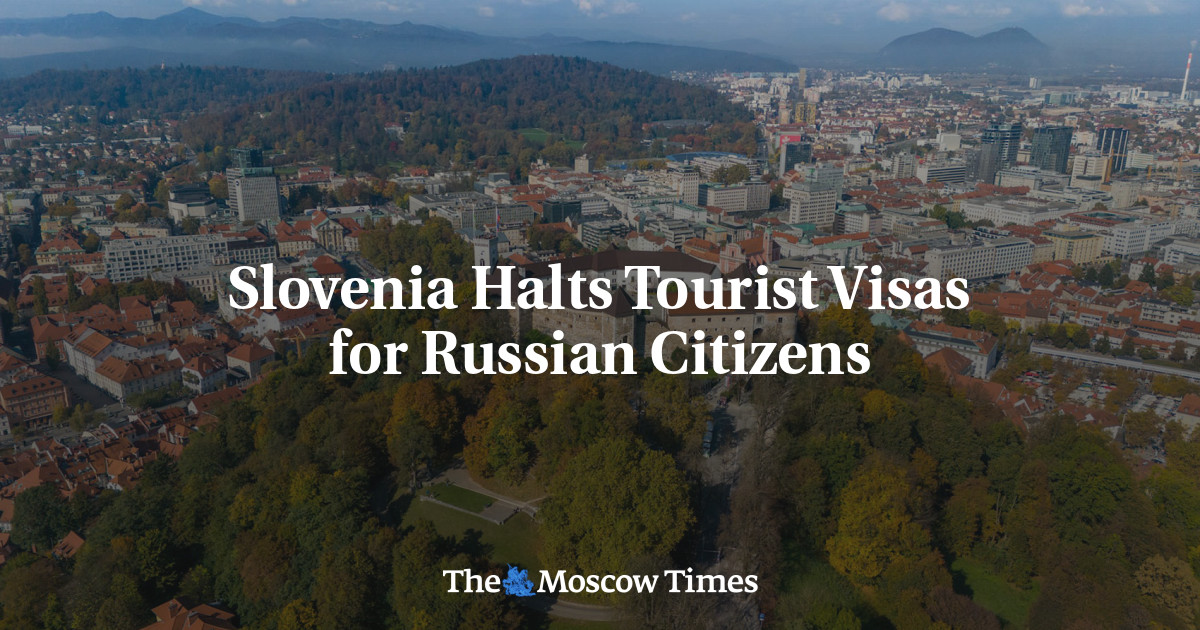
Slovenia has halted the acceptance of tourist, student and work visa applications from Russian citizens, visa operator VFS Global said on Tuesday. Its visa centers in Russia no longer take such applications. The new rules were published without an explanation or an expiry date.
According to VFS Global, Slovenia is still accepting applications for family reunification with citizens of the European Union (EU), visits to family members, business trips and international transport workers.
Embassy in Serbia cancels appointments
Kovcheg, an organization that helps Russian citizens abroad, said Slovenia's embassy in Serbia, a major destination for Russian visitors, has begun canceling appointments that Russian applicants had booked before the announcement. It said at least nine appointments were scrapped between Monday and Tuesday, and a tenth applicant was turned away in person.
On Telegram, Kovcheg quoted the embassy as saying the restrictions apply solely to applicants with Russian citizenship, based on a revised edition of the Slovenian Foreign Ministry's guidelines. The group attached what it described as the embassy's letter to one applicant canceling an appointment.
Figures and wider context
In 2025, Slovenia issued 1,254 Schengen visas to Russian citizens, mostly single-entry. Across the EU, 680,000 visas were issued to Russian nationals that year.
The move comes as EU member states weigh broader Schengen visa curbs for Russians amid growing concern over hybrid attacks and sabotage across the bloc that are linked to the Kremlin. The European Commission is expected to present formal proposals to tighten visa rules for Russian citizens in January 2027.
Since Russia's invasion of Ukraine, a number of EU countries have stopped issuing tourist visas to Russians, while major destinations such as France, Italy and Spain have continued to do so.