Your brain may be wired to regain lost weight
Research suggests that the brain remembers a previously higher body weight and treats it as the new normal, which explains why many people regain weight after dieting. This is a biological defense mechanism, not a lack of willpower.
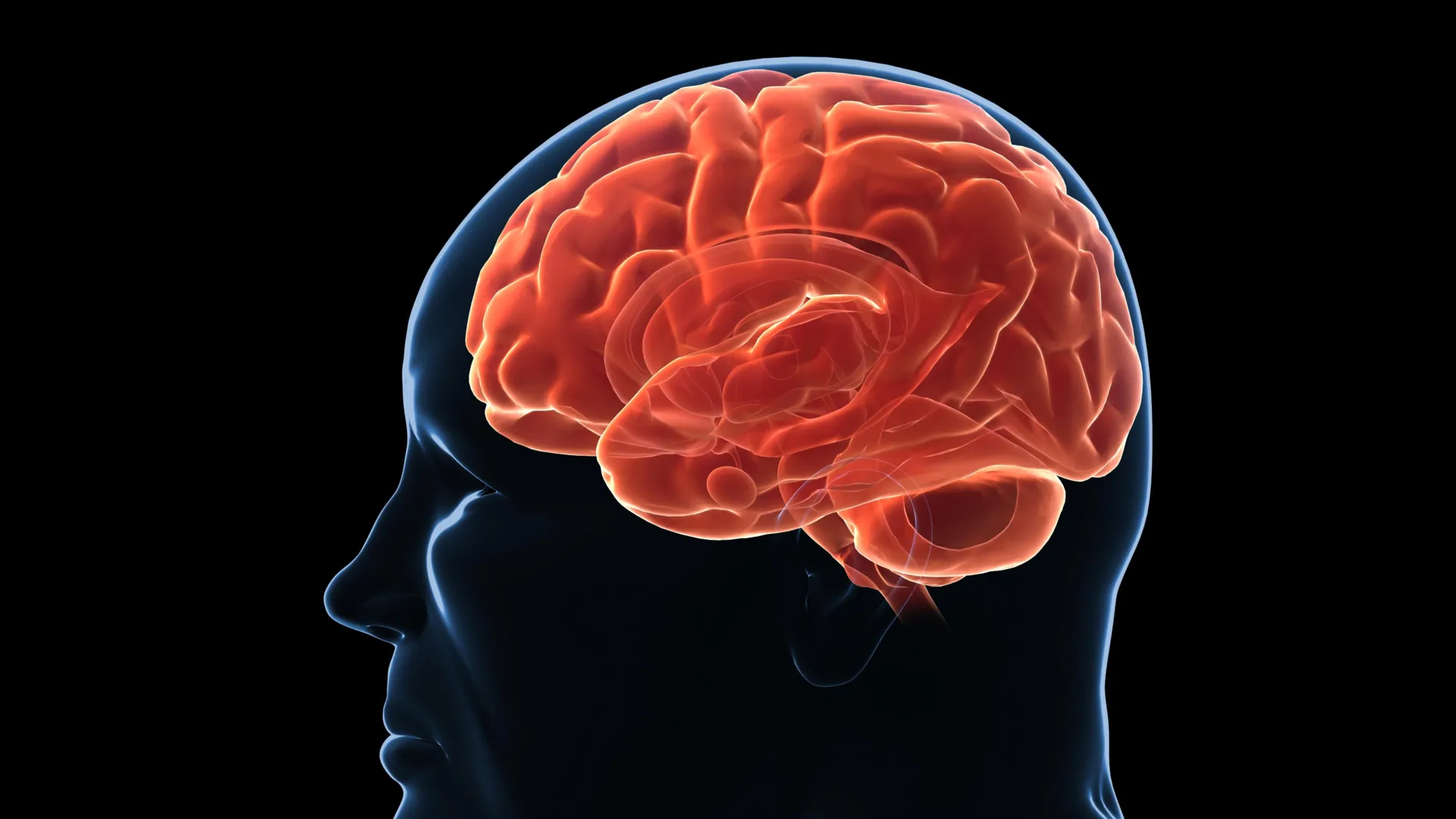
For decades, popular wisdom held that weight loss comes down to willpower: eat less, move more. But modern science tells a different story. Our bodies have evolved to protect energy reserves, and that protection is rooted deep in the brain.
To our early ancestors, body fat was a lifeline. Too little meant starvation; too much slowed you down. Over time, the human body became remarkably good at guarding its fat stores. In today's world, where cheap, calorie-dense food is everywhere and physical activity is optional, those same mechanisms make weight loss difficult.
When a person loses weight, the body reacts as if its survival is threatened. Hunger hormones surge, cravings intensify, and energy expenditure drops. These adaptations helped our ancestors survive periods of food scarcity, but they backfire in modern environments.
Our recent research shows that the brain has powerful mechanisms for defending body weight – it effectively 'remembers' what the body used to weigh. For ancient humans, this meant regaining weight after hard times. For us, it means the brain treats any previous excess weight as the new normal and fights to maintain it. This helps explain the all-too-common cycle of dieting and weight regain – not because of weak discipline, but because biology is doing its job.
Weight-loss medications like Wegovy and Mounjaro have brought fresh hope. They mimic gut hormones that signal the brain to reduce appetite. However, not everyone responds well; side effects can be hard to tolerate, and in some cases, the drugs don't produce significant weight loss. Once treatment stops, the body often reverts to its set point, and the weight returns.
Future therapies might be able to turn down these signals that drive the body back to its original weight, even beyond the treatment period. Meanwhile, research emphasizes that good health is not the same as a 'good weight.' Exercise, sleep, balanced nutrition, and mental well-being can all improve heart and metabolic health, even if the scale doesn't move much.
Obesity is not just an individual problem; it requires a society-wide approach. Preventative measures could include investing in healthier school meals, cutting junk food marketing aimed at children, designing neighborhoods that prioritize walking and cycling, and standardizing restaurant portions.
Scientists also focus on early-life stages – from pregnancy to around age seven – when a child's weight regulation system is especially malleable. What parents eat, how infants are fed, and early lifestyle habits can shape the brain's control over appetite and fat storage for years to come.
For individuals seeking to lose weight, the advice is to focus on sustainable habits, not crash diets. Prioritizing sleep helps regulate appetite, while regular activity, even walking, can improve blood sugar control and heart health. The bottom line is that obesity is not a personal failure but a biological condition shaped by the brain, genes, and environment. Advances in neuroscience and pharmacology offer new treatment opportunities, and prevention strategies can shift the landscape for future generations.

/nginx/o/2026/09/24/17936153t1h53f6.jpg)