Doctors suspected brain cancer, but the patient actually had parasitic worms — neurocysticercosis
In Spain, doctors initially diagnosed a man with brain cancer based on lesions, but further testing revealed he was infected with the larvae of the tapeworm Taenia solium, a condition known as neurocysticercosis.
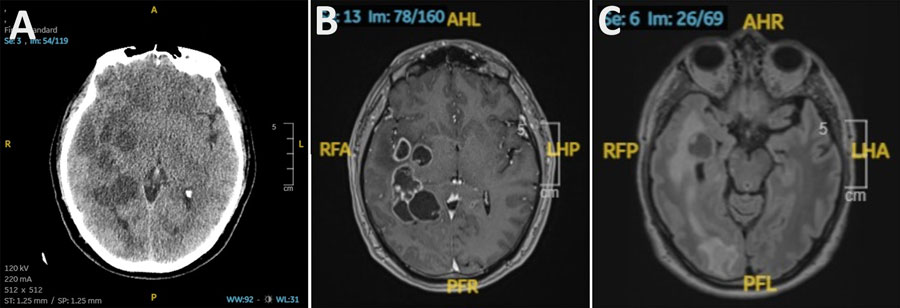
A man in Spain presented with brain symptoms, and doctors initially suspected cancer. However, MRI and antibody tests showed that the brain lesions were caused by cysts of the tapeworm Taenia solium — a condition called neurocysticercosis (NCC).
The parasite Taenia solium can infect humans in two ways: by eating undercooked meat containing cysticerci (encapsulated larvae) or by ingesting eggs from contaminated food or water. In the first case, the larvae develop into adult tapeworms in the intestines, shedding eggs in feces. If these eggs spread through poor hygiene into another person's mouth, they hatch, burrow into the bloodstream, and migrate to various tissues, including the brain. When the cysts lodge in the central nervous system, NCC develops.
The man’s immune system had produced antibodies against the parasite, confirming the diagnosis. NCC can be severe, causing seizures, neurological deficits, cognitive decline, and stroke, but it can also be asymptomatic. In this case, symptoms were mild. Doctors prescribed two antiparasitic drugs, and the patient recovered.
The physicians emphasized that the absence of travel history should not rule out NCC when multiple ring-enhancing brain lesions are present, even in regions where metastatic cancer is statistically more common. Earlier recognition could have prevented unnecessary invasive procedures and allowed prompt antiparasitic treatment.
