Snap's $2,200 Specs AR glasses tested ahead of fall launch
Snap is preparing to launch its first consumer augmented reality glasses, Specs, priced at $2,195, this fall, but an early hands-on test suggests the technology isn't fully ready for mainstream use.

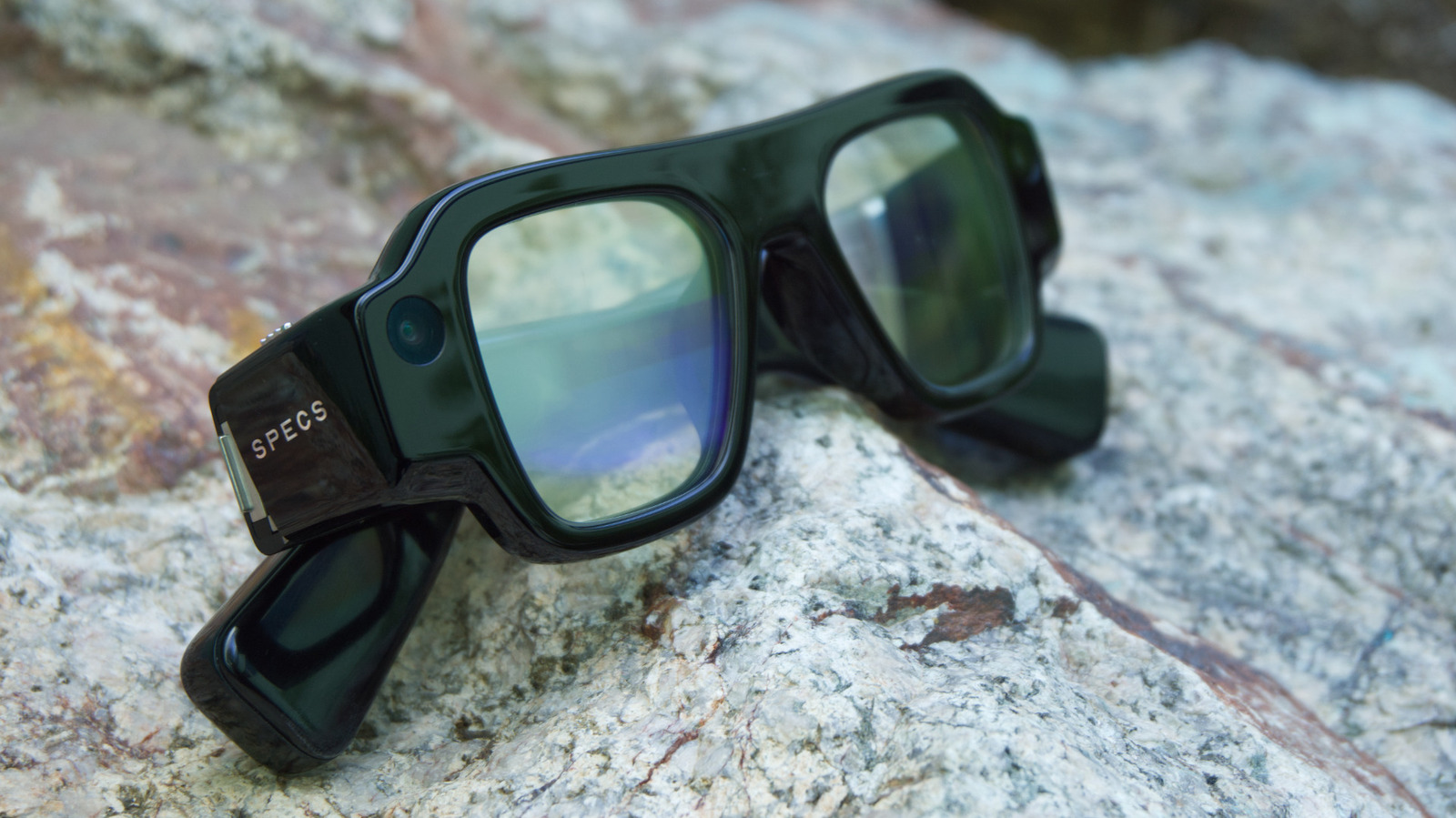
A journalist from The Verge got an early hands-on look at Snap's new augmented reality glasses, called Specs, which the company plans to bring to consumers this fall for $2,195. The glasses come in two lens sizes, 47mm and 52mm, and are designed as a standalone computer, meaning they don't need to be tethered to a phone or an external battery pack.
That self-contained design makes the glasses bulkier than typical eyewear, though the tester noted they were lighter than expected and stayed firmly in place even when shaking his head. The bold, chunky design makes clear these are not meant to pass as ordinary glasses.
Gesture controls and a limited field of view
Specs rely on hand-tracking technology, letting users pinch and drag to manipulate on-screen elements — including playing a virtual game of dominoes with another person wearing the glasses, which the reviewer called one of the more compelling demonstrations. However, gesture recognition was inconsistent during testing, and the augmented reality graphics were harder to see in direct sunlight.
A bigger limitation, according to the review, is the glasses' 51-degree field of view. Digital elements frequently drifted out of sight, undermining the illusion that virtual content was anchored in the real world. While watching a video in a moving car, the tester had to shrink the display window just to keep it visible.
Sluggish AI assistant and privacy concerns
The glasses also include a voice assistant activated with the phrase "Hey Specs," though it responded slowly and sometimes failed to recognize commands on the first try. Specs can also capture photos and video, with a privacy indicator light placed at the center of the frames.
Snap CEO Evan Spiegel has previously said he sees an opportunity for computing to support more natural, face-to-face human interaction. Yet during testing, the reviewer found the glasses sometimes distracted from in-person conversation, as attention shifted toward content only the wearer could see. Competitors including Meta and Google are also developing AR glasses, and Apple and OpenAI have reportedly explored similar devices.