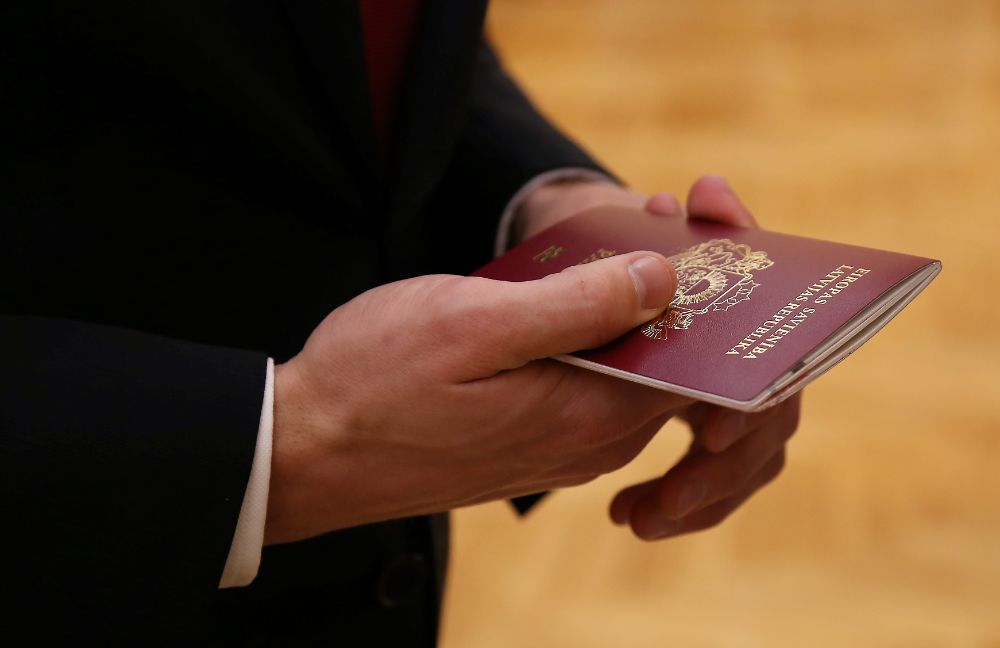
Latvians debate what belongs in a 72-hour emergency bag
A discussion on the platform Threads has residents sharing what they pack in their 72-hour emergency bags, with officials clarifying the kits are meant for self-sufficiency at home, not for fleeing.
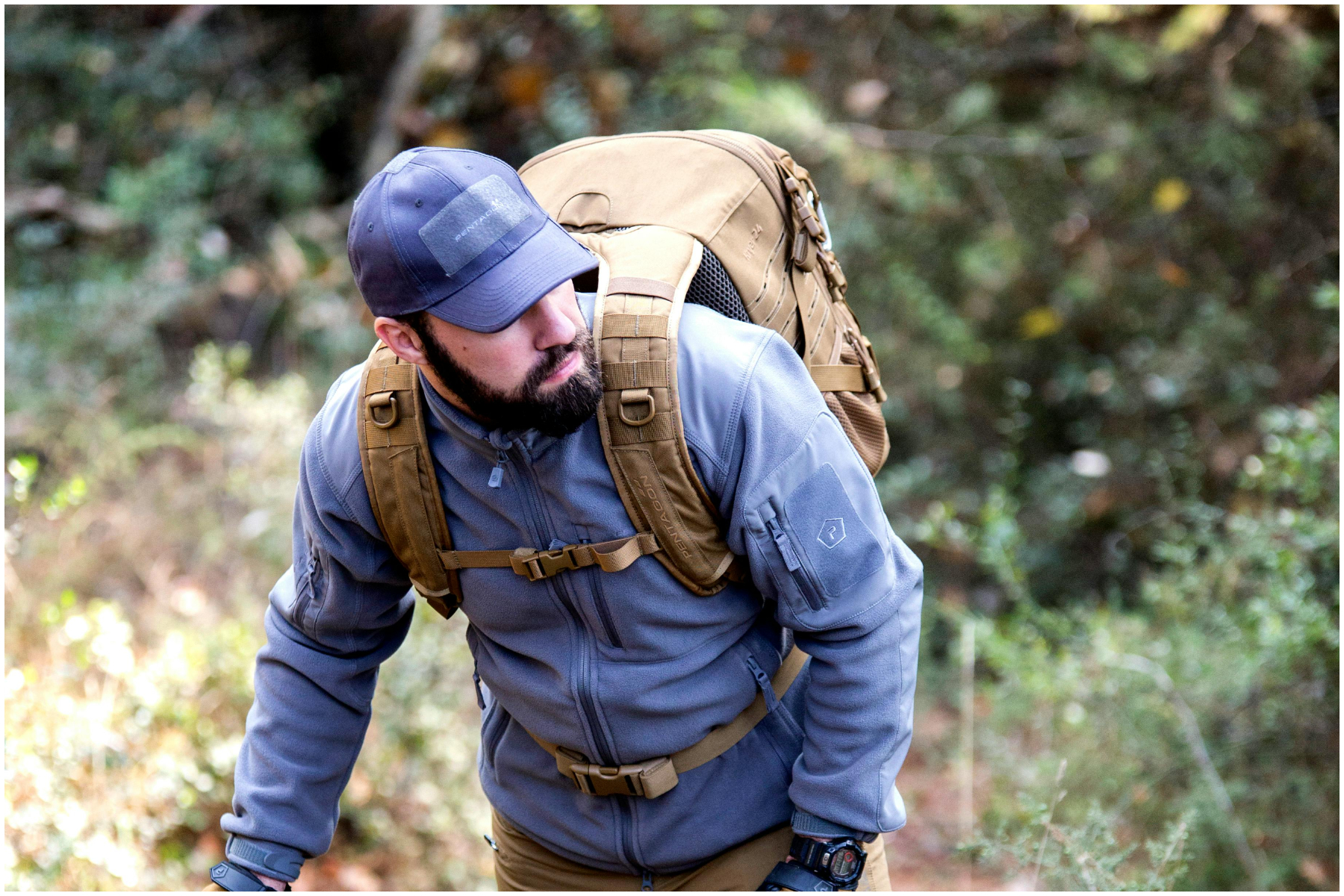
A thread on the social platform Threads has sparked a wider discussion among Latvians about the so-called 72-hour bag — an emergency kit that has been recommended in Latvia for years. Interest in the topic has grown recently as the security situation in the region has shifted and Latvia has experienced several incidents involving unmanned drones.
The online conversation mixes genuine concern with humor. Some commenters admit they have never packed such a bag, saying they cannot imagine a scenario where they would simply abandon their home, animals or belongings. Others describe exactly what they keep ready, including cash, a passport, water-purification tablets, warm socks, old family photos or heirlooms such as an old national flag. Another commenter pointed out that a crisis rarely resolves itself within 72 hours, meaning people would eventually need to find more water and food regardless, since the human body can survive only a limited number of days without water.
A mother of four said that for her large family, packing a single physical bag makes little sense. Instead, her household stockpiles food, radios and water-purification supplies at home, relying on a cellar or a larger rural cellar rather than a bag meant for days in the forest.
What the recommendation actually means
According to the Ministry of Defence's Sargs.lv portal, a serious crisis could knock out electricity, heating, internet, phone networks, shops, fuel stations and card payments, so residents should be prepared to cover basic needs on their own for at least the first three days. This guidance predates the recent drone incidents — the ministry first published its crisis-preparedness brochure in 2020, covering not only military threats but also storms, floods, power or internet outages and cyber threats. Recommendations include stocking food, water, documents, medication and hygiene items, and agreeing on an action plan with family in advance. Officials stress the bag is not meant for fleeing but is part of a broader household preparedness plan.