Online debate flares over NMPD ambulance parked near Āgenskalns market
A social media user's post about an Emergency Medical Service (NMPD) vehicle parked by Āgenskalns market sparked a broad discussion, with most commenters defending the medics.
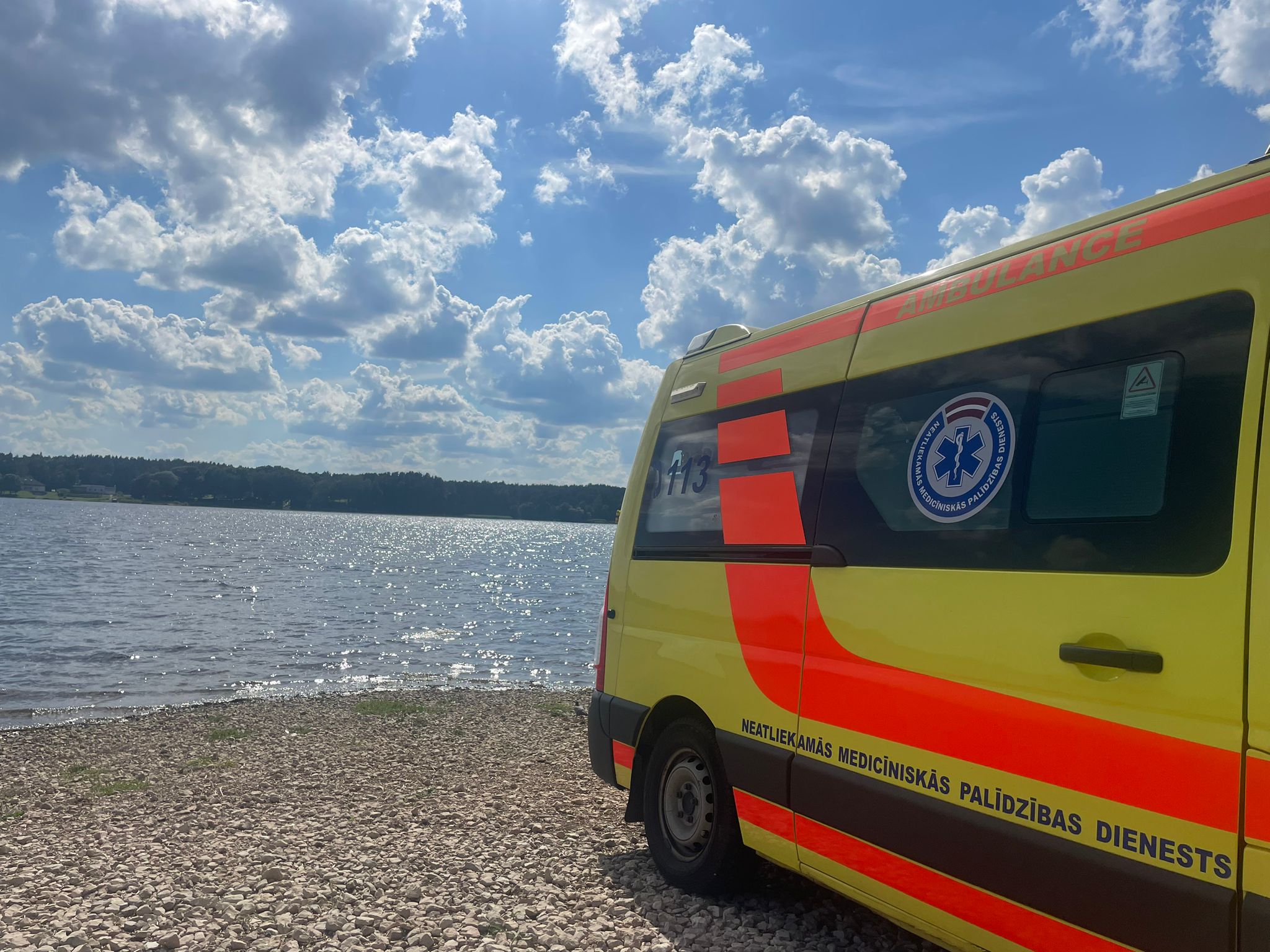
On the social media platform Threads, a user named Agnis posted a photo or video showing an ambulance from the Emergency Medical Service (NMPD) parked by Āgenskalns market. In his post, he claimed that stopping or standing in that zone was prohibited except for operational vehicles on duty and sarcastically asked whether having lunch at the market counted as an emergency call. He also noted that the vehicle's lights were still on.
The post drew a wave of comments, with most users rushing to defend the medics. One commenter, Klāvs, said the criticism was overblown, noting the vehicle had only stood there for a few minutes. Aleksandrs wrote that while he did not support traffic violations, the medics deserved to eat, and pointed out that a lunch break could be interrupted by a call at any moment. He also observed that only coffee cups were visible in the video and suggested the crew may have helped someone in the market area before getting coffee.
Another user shared personal experience, saying medics regularly come to a place where he eats, park near the entrance and are served without waiting in line. He said he did not mind, because their work is important and every minute counts. Madara recalled an earlier explanation that crews must park close so they do not have to run 100 metres to their vehicle if a call comes in. Toms sarcastically wished the original poster never to fall ill, adding that if he did, he should not call NMPD – or else should ask crews to park far away and follow all traffic rules, but then not complain about the wait.
The article notes that NMPD crews can receive a new call at any moment, which is why they try to park as close as possible to their location and be ready to leave immediately. While it is good that residents report suspected violations, the case shows that not every situation that looks suspicious from the outside means disrespect for traffic rules; sometimes it reflects the specific demands of emergency services.