Social media row over lotteries: Strazdiņš urges officials to call them gambling
On the social platform Threads, Elviss Strazdiņš called on officials to state plainly that Latvijas Loto lotteries are gambling. Opinions in the discussion are split, while the state company's turnover last year reached 106.48 million euros.
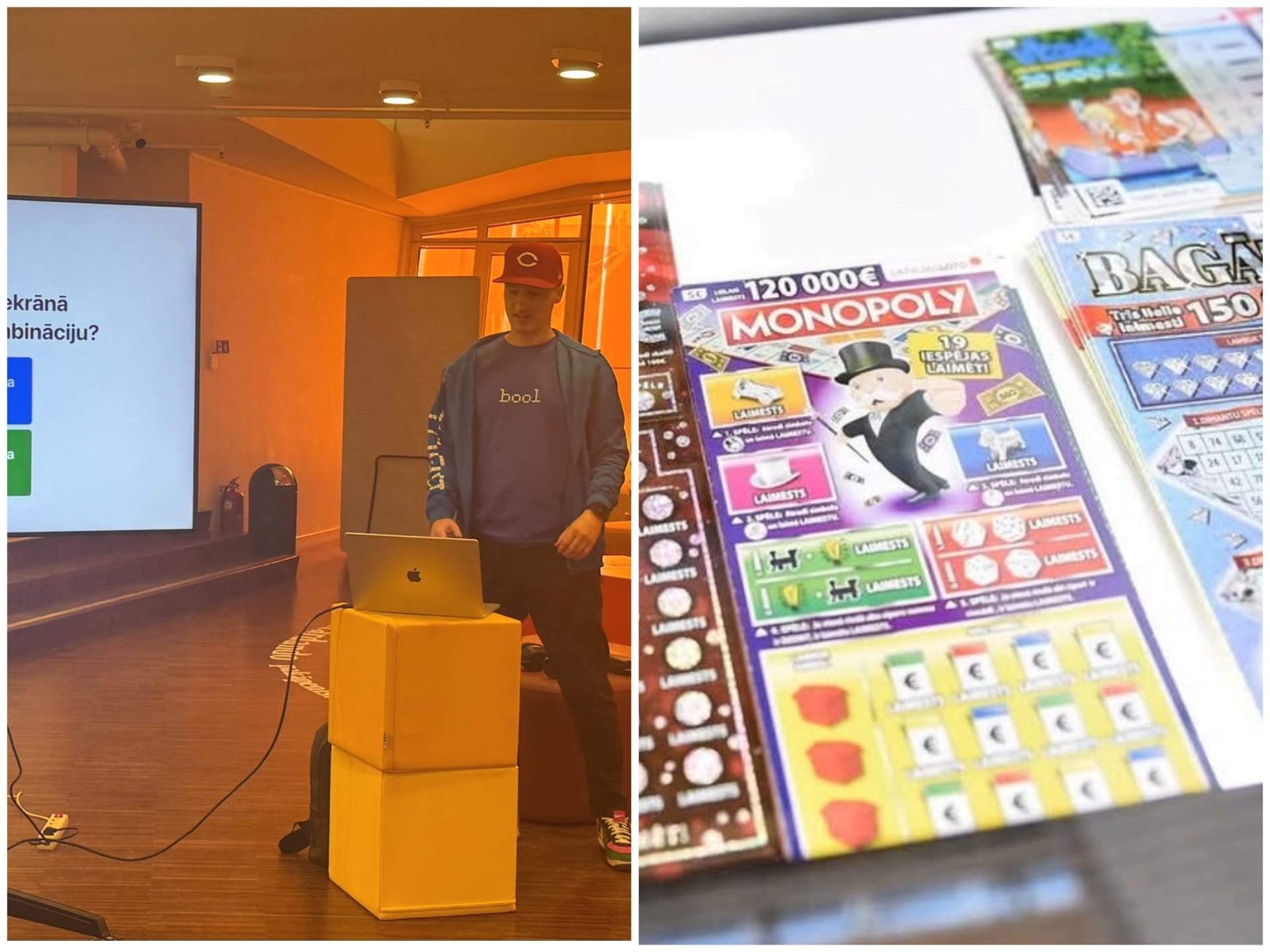
A debate has unfolded in Latvia on the social media platform Threads about state-run lotteries and their effect on society. The conversation was started by user Elviss Strazdiņš, who asked about the state's attitude toward this form of entertainment. The post, published in November 2026, drew sharply differing comments.
Strazdiņš's question
Strazdiņš asked when the country would finally have a finance minister who would say that Latvijas Loto is gambling that ruins lives, and that Latvia does not need such a "business".
Commenters' views
Some commenters agree with him. Daina quotes the saying "Where there are sheep, there will be shearers". Laura describes something she noticed in a small village shop, where a couple of about 50, who in her words did not look well-off, spent 35 euros on food and 15 euros on lottery tickets. Diāna, however, stresses that buying tickets is each person's own choice.
Others object to condemning lotteries. Ģirts says that filling in a "superbingo" card is one of the few pastimes left to his 91-year-old father. Aldis believes bans are not a solution, since other everyday things can also have serious consequences. Kārlis thinks responsibility lies with the individual and that a ban would not solve the problem, because a person who wants to gamble for money would find another way.
The company's figures
The 2025 annual report of the state-owned joint-stock company Latvijas Loto says net turnover was 106.48 million euros, about 6.2% more than the 100.3 million euros in 2024. Profit over the same period fell from 14.04 million to 11.64 million euros.
The total of calculated taxes, fees and payments for the use of state capital in 2025 was 25.9 million euros, of which 24.5 million euros was actually paid. The company stresses that its profit is directed to socially important purposes, including education, sport and culture.