Finland opens criminal investigation into Google's forest clearing for datacentre site
Finnish police are investigating possible environmental law breaches at the site of Google's planned datacentre in Muhos. Forest was cleared and drained before legally required environmental impact assessments were completed.
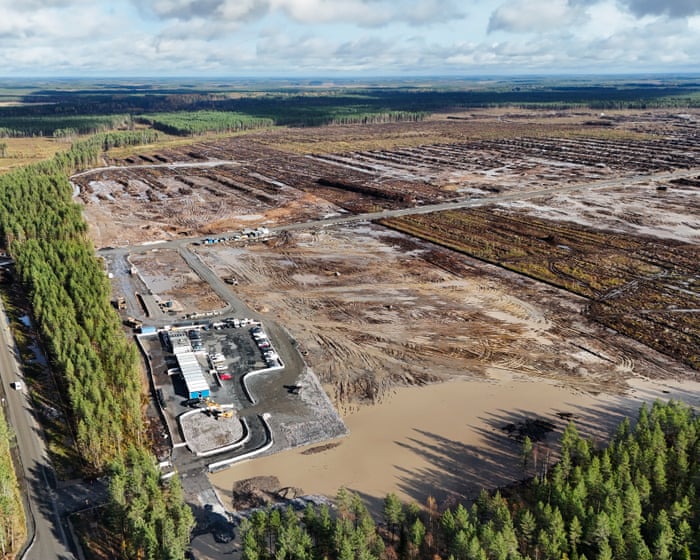
Finnish police have opened a criminal investigation into possible breaches of national environmental law at the site of a planned Google datacentre in Muhos, in northern Finland. Authorities say Tuike Finland, a Google subsidiary, cleared and drained 330 hectares of forest before the environmental impact assessments required by Finnish law were finished.
In a statement on Thursday, police said preliminary information pointed to ambiguities and shortcomings in drainage and water management at the construction site. The investigation will look at circumstances related to these issues, among other things.
What came before
Earlier this month, Finnish authorities ordered Google to halt work at two sites, Muhos and Otanmäki, about 100 km to the south-east, after the company cut down forest without completing the assessments. The Supervisory Agency, which oversees environmental permits and assessments, told the company to stop preparatory measures that alter the environment. Campaigners estimate 250,000 trees were felled at Muhos and 150,000 at Otanmäki.
Google's Finland country manager, Antti Järvinen, has apologised for the clearings but said the company acted on the best understanding it had of the legislation at the time.
Wider context
Finnish authorities are weighing applications for 145 new datacentres at various stages of planning, including Google's €13bn artificial intelligence infrastructure project, which the company has described as its largest investment in Europe. Like other Nordic countries, Finland appeals to tech firms for its relative geopolitical stability, available land and a cool climate that can reduce energy costs.
The government has backed the projects: Prime Minister Petteri Orpo said in September, when the plans were announced, that attracting investment was a top priority. The dispute has now prompted a national debate about what datacentres mean for communities, the environment and energy prices, and could affect parliamentary elections due in April. More than 93,000 people have signed a petition calling for stricter regulation and compensation for environmental damage. Jussi Kangasharju, professor of computer science at the University of Helsinki, says datacentres create a limited number of local jobs and that national benefits are minimal.